Germany Faces Energy Crisis Amid Iran Tensions
Germany is implementing a temporary 17-cent per liter fuel tax cut to combat rising energy costs amid Middle East tensions. The government is also emphasizing continued diplomatic engagement, particularly within the European Union, following the breakdown of recent U.S.-Iran talks. This dual approach aims to address immediate economic pressures while pursuing long-term stability.


Germany Grapples with Energy Costs and Geopolitical Fallout
Germany is confronting a dual challenge: rising energy costs and the growing instability in the Middle East, particularly concerning Iran. A recent decision to temporarily lower fuel taxes by approximately 17 cents per liter for three months aims to ease the burden on consumers.
This move comes as global events, including potential U.S. actions regarding Iran, create economic uncertainty. The German government is closely coordinating its response with other European Union members to navigate these complex issues.
The decision to cut the energy tax, specifically the mineral oil tax on diesel and gasoline, is a direct response to increasing prices at the pump. This measure is designed to provide immediate relief to households and businesses feeling the pinch of higher fuel expenses.
However, the duration of the tax cut, set for three months, suggests it is a temporary solution rather than a long-term fix for underlying energy market volatility. The government hopes this will help stabilize consumer spending and business operations during a critical period.
Diplomatic Efforts and International Cooperation
Amidst rising international tensions, Germany is committed to continuing diplomatic dialogues, even when direct talks between major powers like the U.S. and Iran falter. The recent breakdown of talks in Islamabad was not a surprise to some observers, who felt they lacked thorough preparation from the outset.
This suggests that resolving complex geopolitical disputes requires sustained, well-planned engagement rather than quick, short-term negotiations. Germany’s approach emphasizes working closely with its EU partners to present a united front and exert diplomatic influence.
The German government acknowledges that it cannot solve every global crisis solely with financial aid. While Germany is willing to contribute to solutions, the focus remains on diplomatic engagement and fostering stability through international cooperation.
This means working with allies to de-escalate conflicts and find peaceful resolutions. The belief is that a coordinated approach within the European Union can be more effective in addressing complex international challenges, including those stemming from the Middle East.
Economic Impact and Future Outlook
The situation in the Middle East has direct economic implications for Germany, a major industrial power heavily reliant on global trade and energy imports. Fluctuations in oil prices and potential disruptions to shipping routes can significantly impact the German economy.
The government’s energy tax reduction is a short-term measure to mitigate immediate economic pain. However, the long-term solution likely involves diversifying energy sources and strengthening domestic energy security.
Looking ahead, Germany’s economic stability will depend on its ability to adapt to a volatile global environment. Continued diplomatic engagement, coupled with strategic investments in energy infrastructure and renewable sources, will be crucial.
The government’s commitment to working with the EU signals a recognition of the need for collective action in addressing both economic and geopolitical challenges. The coming months will be critical in observing how these strategies unfold and their impact on Germany’s energy security and economic resilience.
The German government is closely watching developments in the Middle East and their potential impact on energy markets. The temporary reduction in fuel taxes is a measure to support citizens during this period of uncertainty. Germany remains committed to diplomatic solutions and international cooperation to foster global stability.
Source: Iran war: What does Middle East escalation mean for Germany? | DW News (YouTube)

Related Articles
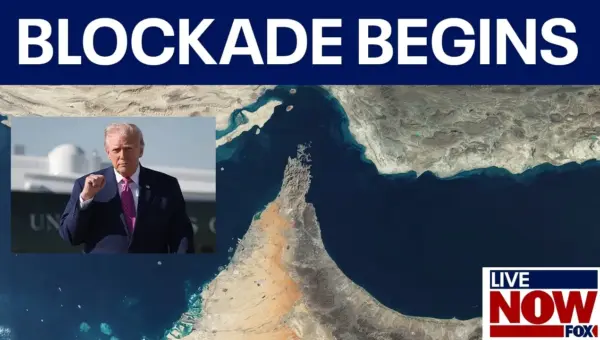
Trump Orders Naval Blockade of Iranian Ports
The U.S. Navy has initiated a naval blockade of Iranian ports in the Strait of Hormuz, restricting access for all vessels. President Trump announced the action, warning of "immediate elimination" for any ships approaching the blockade. The move aims to increase economic pressure on Iran.
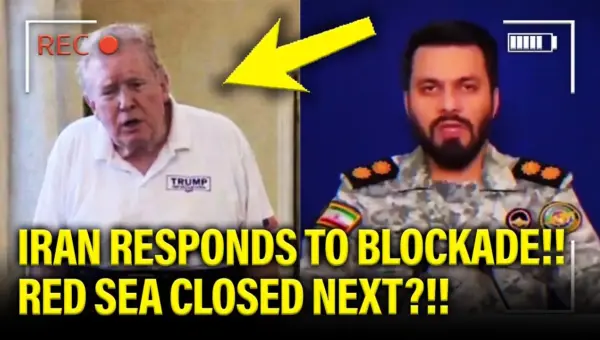
Iran Mocks US Blockade Threat, Escalates Regional Tensions
Iran is openly mocking the U.S. threat of a naval blockade in the Persian Gulf, calling it an escalation that makes deals impossible. The exchange follows recent incidents that have heightened distrust, and Iran warns of retaliatory action if the blockade proceeds. The situation raises concerns about regional stability and global oil prices.

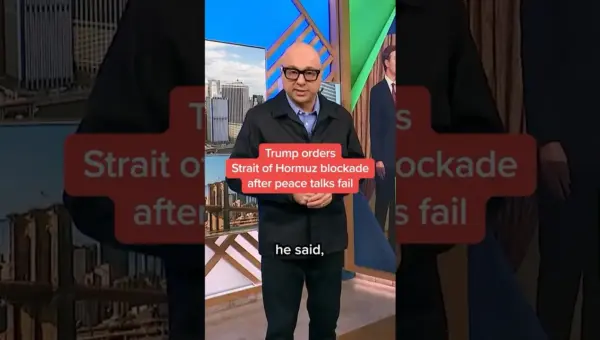
Trump Orders Hormuz Blockade as Iran Talks Collapse
President Trump has ordered the U.S. Navy to blockade the Strait of Hormuz following the collapse of peace talks with Iran. The directive aims to halt all maritime traffic and interdict vessels that have paid tolls to Iran. This significant escalation could have major repercussions on global oil markets and regional stability.