AI War: Fake Videos Fuel Iran Conflict Narrative
Experts are raising alarms as sophisticated AI-generated videos, appearing to depict events from the Iran conflict, spread rapidly across social media. Analysis confirms these videos are fake, yet their believable nature allows them to fuel disinformation campaigns. This trend is leading to a growing erosion of public trust in online information.

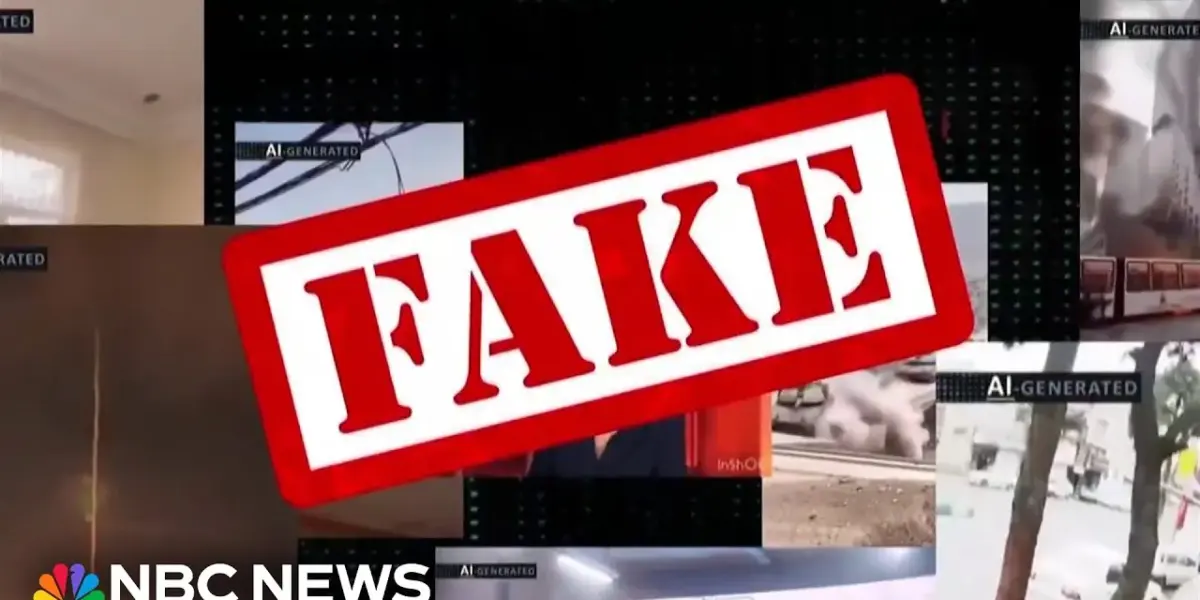
AI-Generated Videos Flood Social Media Amid Iran Tensions
Explosions on Israeli ports and blasts near Iranian buildings are appearing online. News reports about key U.S. allies are also circulating.
While these images and videos might seem real, experts confirm they are entirely fake. Forensic analysis shows these AI-generated creations are spreading rapidly, blurring the lines between truth and fiction in a digital information war.
Experts Warn of AI’s Role in Spreading Disinformation
Mahsa Alimardani, associate director at Witness, a human rights group, is sounding the alarm. Her organization studies how AI impacts video evidence.
“The lie travels much faster than the truth,” Alimardani stated. Even when fake content is debunked, many people still want to believe the fabricated stories.
Iran Accused of Using AI to Amplify Tragedy
A recent alleged U.S. airstrike on an Iranian elementary school resulted in over 170 deaths, many of them children. While the human toll was tragically real, the Iranian regime reportedly used AI to make the event seem even more horrific. They posted an image of a bloodied backpack, tweeted by the Iranian Embassy in Austria.
However, Google’s AI tools quickly identified the image as likely edited or generated by AI. Visual analysis also revealed common signs of AI creation. Google has stated it invests in technology to provide helpful context about online information.
Parody and Propaganda: The Dual Nature of AI Content
Beyond outright deception, AI is also used for parody and propaganda. Some videos, not intended to deceive, aim to stir emotions.
These can poke fun at serious situations, adding another layer to the online information battle. For instance, the Iranian Embassy in South Africa posted an AI-generated music video about Trump’s strategy in the Strait of Hormuz.
Misinformation from All Sides
AI-generated misinformation is not limited to one side. Supporters of the U.S. have also spread fake content.
Shortly after President Trump announced a successful rescue mission over Easter weekend, a fake image went viral. This image, supposedly showing rescued U.S. airmen, was even reposted by some U.S. lawmakers before they were taken down.
The ‘Liar’s Dividend’ and the Erosion of Trust
Experts are increasingly concerned about a concept called the “liar’s dividend.” This happens when the very existence of AI-generated content makes people doubt real information. “Just the very fact that we know that there is AI content in the information ecosystem makes people doubt things are real,” Alimardani explained. This doubt benefits those who spread false narratives.
Iran Reportedly Winning the Narrative War
While fake content comes from all sides, Alimardani believes the Iranian regime is currently winning the narrative war online. She points to their long-term study of the information space.
They also now have more raw material, or data, to work with. This material can be generated quickly and cheaply using AI tools, allowing for rapid creation and dissemination of propaganda.
What’s Next?
The spread of AI-generated videos highlights the growing challenge of verifying information online. As AI technology advances, the ability to create realistic fake content will only increase.
This raises concerns about its impact on public opinion, international relations, and the very nature of truth today. The effectiveness of AI verification tools and the strategies employed by governments and platforms to combat disinformation will be crucial to watch.
Source: Experts sound alarm as new AI-generated videos of Iran war spread across social media (YouTube)

Related Articles
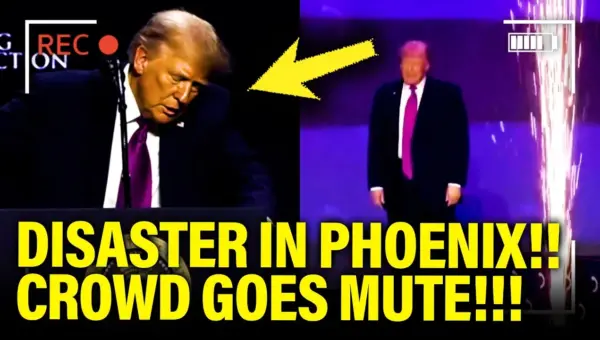
Trump’s Phoenix Speech: A Web of Falsehoods and Distortions
Donald Trump's recent speech in Phoenix was filled with unsubstantiated claims about Iran, healthcare, and climate change. His assertions sharply contrasted with official statements and verifiable facts, raising concerns about political discourse. The speech highlighted a pattern of narrative control over factual reporting, posing challenges for informed public debate.

Stocks Surge as Iran Reopens Strait of Hormuz; Challengers Outraise Incumbents
Stock markets surged to record highs as Iran reopened the Strait of Hormuz, signaling an end to recent geopolitical tensions. However, consumers continue to face lingering economic pain from higher energy and goods prices. Meanwhile, within the Democratic Party, primary challengers are outraising incumbents, driven by a generational divide and a desire for new leadership ahead of the midterm elections.
Iran Deal Hinges on Strict Verification, Not Just Words
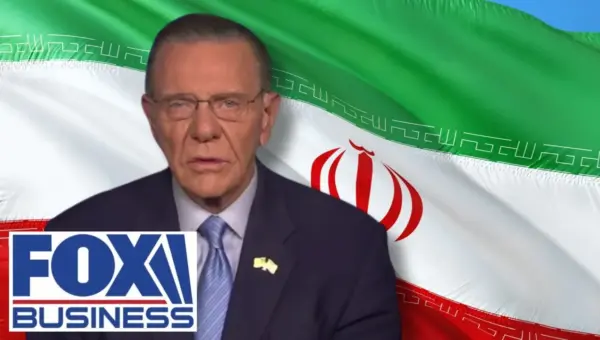
General Jack Keane stresses that any deal with Iran must prioritize strict verification over mere promises. He highlights Iran's history of deception and the need for unrestricted inspector access. The U.S. must maintain economic pressure and military readiness until all terms are met.