Veterans Lead Charge Against Trump’s “War of Choice”
Veterans in Congress are raising alarms against President Trump's escalation of military action with Iran, arguing it's a "war of choice" lacking clear objectives and congressional approval. They draw on their combat experience to demand accountability and prevent repeating past mistakes.

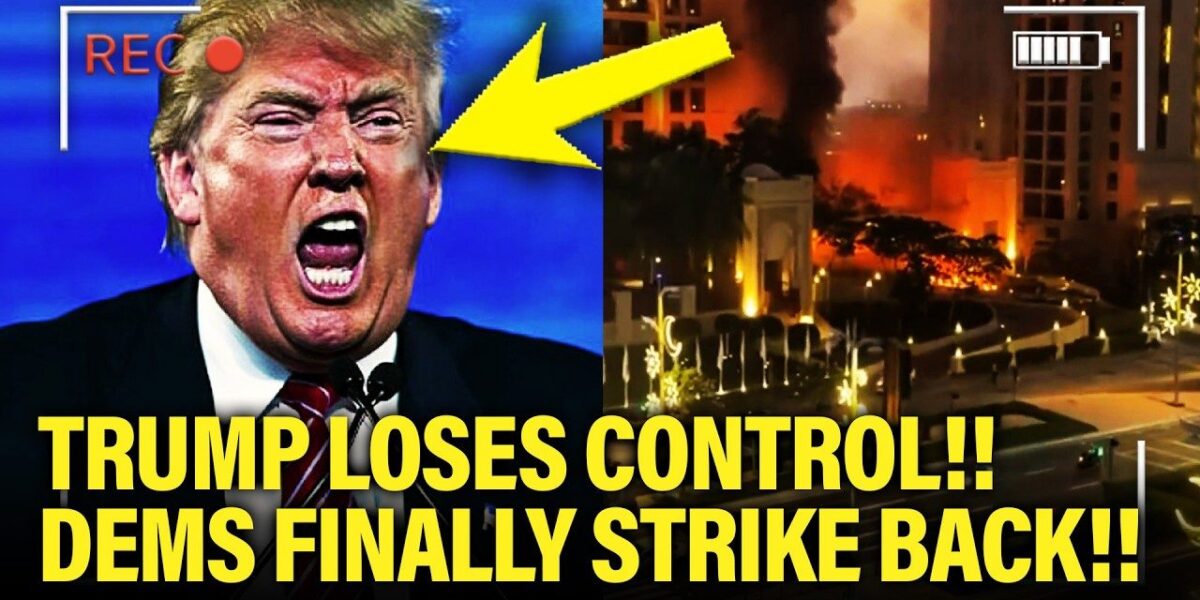
Veterans Lead Charge Against Trump’s “War of Choice”
In a charged political climate, a chorus of voices, particularly those of military veterans serving in Congress, has risen to challenge Donald Trump’s recent military actions against Iran. These lawmakers argue that the administration is plunging the nation into another Middle Eastern conflict without a clear strategy, congressional authorization, or public consensus, echoing past costly engagements. The central argument, amplified by those who have experienced combat firsthand, is that such decisions are too grave to be made unilaterally and demand rigorous oversight and debate.
Echoes of Past Conflicts: A “War of Choice”
Congress members Jason Crowe and Pat Ryan, both veterans, have been at the forefront of this opposition. Crowe, an Army Ranger who served three combat tours, directly criticizes Trump’s approach: “Trump is plunging us into another war in the Middle East.
He’s learned nothing from decades of failed conflicts. It’s a war of choice with no clear endgame, no authorization from Congress, and little support from Americans.” He poignantly adds, “When elites in Washington bang the war drums, working-class folks pay the price.” This sentiment is a direct callback to the experiences of many who feel that the burden of war disproportionately falls on those without elite connections, while the justifications for conflict are often abstract or politically motivated.
Ryan, who served two combat tours in Iraq, echoes these concerns, emphasizing the critical role of the War Powers Act. “I served two combat tours in Iraq. I’ve seen what happens when a lying chicken hawk president beats the war drums,” he stated.
“It’s why we passed the War Powers Act after Vietnam in the first place. So that before the president sends our troops into harm’s way, he has to make the case to the American people.” Ryan argues that Trump has failed to meet this basic requirement, leaving the nation in the dark about the goals, costs, and potential consequences of the escalating tensions.
The Weight of Experience: “We’ve Seen This Playbook Before”
The perspective of those who have served is presented as uniquely valuable in these debates. Senator Mark Kelly, a former Navy pilot and astronaut, draws a direct parallel to previous conflicts. “After promising to keep Americans out of war and instead focus on lowering costs for families, Donald Trump has launched a large-scale military operation against Iran.
We’ve seen this playbook before. Weeks of inflated claims, selective facts, and talk of imminent threats that led the American people into a war that cost thousands of American lives and trillions of taxpayer dollars.” Kelly stresses that while the U.S. Military is capable, the crucial question is whether the mission itself is sound and serves national interests, a question he feels has not been adequately addressed by the administration.
Senator Ruben Gallego, an Iraqi War veteran, expresses similar frustration and concern. “Our young men and women in danger. Our national security is at risk.
And Cadet Bone Spurs, Donald Trump can’t even give time to tell America what is going on,” he remarked, criticizing Trump for attending a political fundraiser instead of addressing the nation. Gallego highlights the constitutional role of Congress in authorizing military action, stating, “The Senate cannot and should not do any votes at all until we vote on a war powers resolution. This war in Iran is wrong, illegal, and not in our interest.” He also highlights the perceived hypocrisy of Trump’s stated foreign policy goals versus his current actions, noting that Trump “ran on exposing the pedophiles and stopping wars” but is now “protecting the pedophiles and starting wars.”
Congressional Duty and Accountability
A recurring demand from these lawmakers is for Congress to reconvene and hold a vote on a War Powers Resolution. They argue that the Constitution vests the power to declare war in Congress, and that the executive branch should not have unchecked authority to initiate military engagements. Jason Crowe explicitly calls for this: “Congress should return to Washington immediately to vote on the War Powers Resolution and ensure the safety of our service members.” Pat Ryan supports this, emphasizing the need for “an honest conversation as a country about what comes next to stop yet another forever war.”
The debate also touches on the rhetoric surrounding the conflict. The transcript highlights a dismissive and inflammatory response from Republican Congressman Randy Fine towards Pat Ryan, which Ryan directly rebuked by challenging Fine to enlist.
Further, Senator Lindsey Graham’s comments about troops dying a “noble death” are contrasted with the lived experiences of veterans who view such language as detached and insensitive. The critique is that those advocating for war often do so from positions of privilege, without fully comprehending or accepting the personal cost borne by service members and their families.
The “Why This Matters” Section
This debate is critical because it directly addresses the fundamental balance of power between the executive and legislative branches regarding the use of military force. The voices of veterans in Congress are particularly resonant, bringing a grounded, experienced perspective to discussions often dominated by abstract geopolitical calculations.
Their insistence on clear objectives, congressional authorization, and public accountability is a vital check against potential executive overreach and the repetition of costly, protracted conflicts. The emphasis on the human and financial toll of war, contrasted with domestic needs, also highlights a broader societal debate about national priorities.
Implications, Trends, and Future Outlook
The current situation reflects a growing trend of bipartisanship on specific foreign policy issues, particularly among those with military backgrounds, who often share a more cautious view of interventionism. The push for a War Powers Resolution vote signifies a desire to reassert congressional authority in foreign policy. Looking ahead, the effectiveness of these efforts will depend on the political will within Congress to confront the executive branch, especially during times of heightened international tension.
The public’s engagement with these debates, informed by the perspectives of those who have served, will be crucial in shaping future U.S. Foreign policy and military engagements. The potential for prolonged conflict, or the lack of a clear exit strategy, remains a significant concern, as does the impact on domestic spending and social programs.
Historical Context and Background
The War Powers Resolution of 1973 was enacted by Congress over President Nixon’s veto in the aftermath of the Vietnam War. Its purpose was to reassert congressional authority over the decision to commit U.S. Armed forces to armed conflict. It requires the President to notify Congress within 48 hours of committing armed forces to military action and prohibits longer-term deployments without congressional authorization.
The current debate over Iran is situated within this historical context, representing an ongoing tension between presidential power and congressional oversight that has characterized U.S. Foreign policy since the resolution’s passage. The repeated references to past failures like Vietnam and the Iraq War underscore a collective memory of the negative consequences of undeclared or poorly planned military interventions.
Source: Trump LOSES CONTROL of WAR and Dems Finally STRIKE BACK!!! (YouTube)

Related Articles

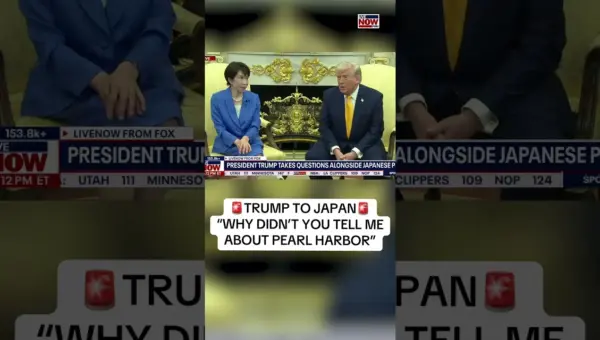
Trump Questions Japan on Pearl Harbor Surprise Attack
Former President Donald Trump reportedly asked Japanese officials why they didn't warn him about the Pearl Harbor attack during a private dinner. This surprising question, shared by former U.S. Ambassador to Japan Caroline Kennedy, highlighted Trump's unconventional approach to historical events and military strategy. The remark has sparked discussion about Trump's understanding of history and his methods of communication in diplomacy.
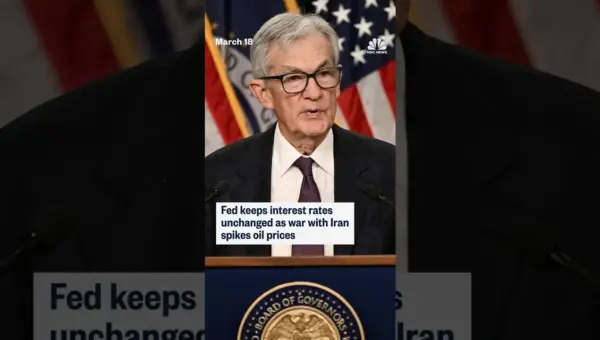
Fed Holds Rates Steady Amidst Oil Price Surge and Tariff Uncertainty
The Federal Reserve has held interest rates steady for a second consecutive meeting, citing economic uncertainty. Soaring oil prices due to the conflict with Iran and the recent Supreme Court ruling on tariffs are key factors influencing the decision. The Fed is carefully balancing inflation concerns with the need to support economic growth.

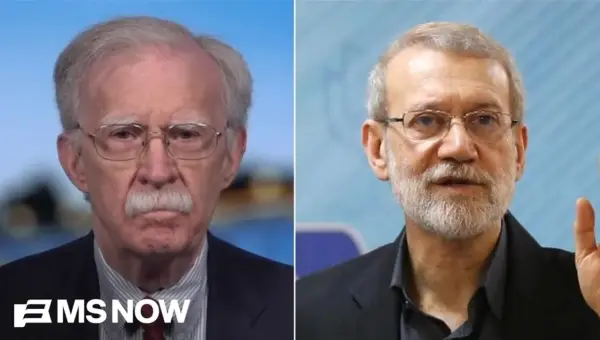
Bolton Slams Trump’s Iran Policy as ‘Snake-Like’
John Bolton, former National Security Advisor, has strongly criticized former President Trump's Iran policy as "snake-like" and lacking a clear strategy. Bolton stated that Trump's decisions were often impulsive, undermining U.S. credibility and creating instability in the Middle East. He called for a more consistent and strategically grounded approach to foreign policy.