Navy Leadership Shake-Up Fuels Fears of White House Instability
The sudden firing of the U.S. Navy Secretary amidst a naval standoff with Iran has sparked concerns about administrative stability. Critics question the qualifications of the new acting secretary and the Pentagon's decision-making process.

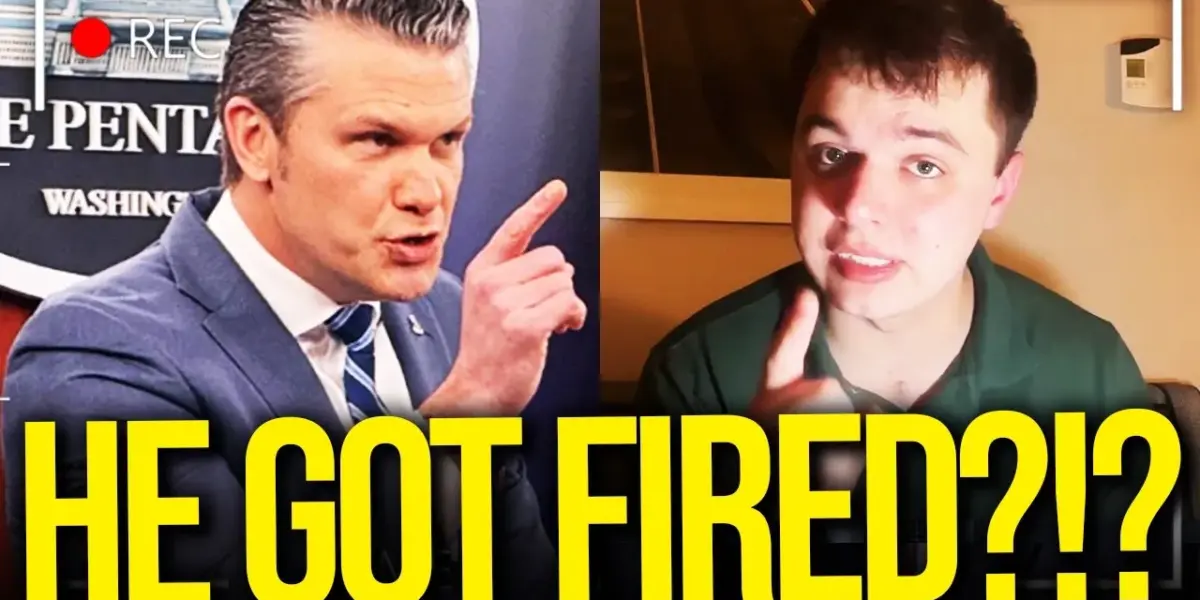
Pentagon Shake-Up Raises Alarms Amidst Naval Tensions
The sudden departure of the U.S. Navy Secretary, John C. Felain, has ignited serious questions about stability within the Pentagon and the broader administration. This change at the top comes at a critical moment, as the United States is actively involved in naval actions in the Strait of Hormuz, a vital global shipping route.
The Pentagon’s official statement, released by spokesperson Sha Parnell, cited Felain’s departure as immediate and expressed gratitude for his service. However, the brevity and vagueness of the announcement left many observers searching for answers.
Further reporting suggests that the change was not a simple resignation but a dismissal, stemming from significant friction between Felain and Secretary of Defense Pete Hegseth, along with his senior staff. This internal conflict reportedly led to Hegseth’s decision to remove Felain from his post. The situation is further complicated by the appointment of the new acting Secretary of the Navy, who has previously made controversial public statements.
New Navy Leader’s Past Statements Spark Concern
The newly appointed acting Secretary of the Navy, Hung Sho, has drawn significant attention for past remarks. In a widely circulated clip, Sho expressed concerns about what he described as “witchcraft” and the “Wiccan community” taking over areas like Monterey, California. He specifically mentioned a place called Lover’s Point, stating that its original name, Lovers of Christ Point, had been altered and that the area had become “very dark.”
These statements have raised eyebrows, particularly given the current geopolitical climate. The United States is currently engaged in a high-stakes naval standoff with Iran, a situation that demands clear-headed leadership and a focus on practical, real-world challenges. The idea of a leader discussing witchcraft while managing critical naval operations has led to widespread criticism and concern about the administration’s priorities and judgment.
Naval Standoff with Iran Escalates
The Strait of Hormuz has become a flashpoint for conflict between the U.S. and Iran. Iran, having gained considerable regional influence, has demonstrated its ability to control access to this crucial waterway.
Recently, Iran’s Islamic Revolutionary Guard Corps seized two vessels and fired upon a third in the strait, escalating tensions significantly. This action occurred despite an apparent ceasefire, highlighting Iran’s willingness to challenge U.S. naval presence.
The situation is made more complex by accusations that the United States has not upheld its end of previous agreements regarding blockades. Iran claims that the U.S. broke its word first, contributing to the current instability. This lack of trust and perceived broken promises fuels the ongoing escalation, making the role of a steady and experienced Navy Secretary even more vital.
Historical Context: A Pattern of Instability?
This recent upheaval within the Navy leadership is not an isolated incident but appears to fit a broader pattern of perceived instability within key government institutions. Critics point to a series of appointments and dismissals across various departments, suggesting a lack of consistent and qualified leadership. The transcript mentions concerns about the FBI director’s alleged issues and the resignation of a counterterrorism official under investigation for questionable financial dealings.
This historical backdrop, marked by rapid personnel changes and controversial appointments, fuels anxieties about the administration’s ability to effectively manage national security and foreign policy. The focus on loyalty or ideological alignment over experience and competence is a recurring theme in these criticisms, raising questions about the long-term implications for U.S. global standing.
Why This Matters
The leadership of the U.S. Navy is paramount, especially during times of heightened international tension. The Strait of Hormuz is critical for global commerce, and any disruption can have far-reaching economic consequences. The current naval standoff with Iran requires decisive action and strategic planning, making the sudden change in Navy leadership deeply concerning.
When key positions are filled by individuals whose qualifications or public statements raise doubts, it can erode confidence both domestically and internationally. This lack of perceived stability can embolden adversaries and create uncertainty among allies, potentially leading to miscalculations and further escalation of conflicts.
Implications and Future Outlook
The implications of this leadership change are significant. It raises questions about the administration’s strategic direction in the Middle East and its ability to de-escalate conflicts. The focus on internal political dynamics over operational readiness could have serious consequences in a volatile region.
Moving forward, the focus will be on whether the new acting Secretary can provide the steady hand needed to navigate the complex challenges in the Persian Gulf. The upcoming days and weeks will be crucial in determining the administration’s approach to Iran and its commitment to maintaining stability in a vital global waterway. The effectiveness of U.S. foreign policy and national security will depend heavily on the competence and stability of its leadership at all levels.
The Road Ahead
The two-week deadline set by former President Donald Trump for a deal with Iran has passed, with no significant de-escalation. Trump extended this deadline, warning Iran to cease its aggressive actions. However, Iran has continued its naval provocations, citing previous U.S. actions as justification.
With the U.S. word seemingly losing its weight and a critical leadership position in the Navy in flux, the situation remains precarious. The effectiveness of diplomacy and military strategy in this context will be heavily tested in the coming days.
Source: Pete Hegseth FIRED HIM in order to HIDE THIS! (YouTube)

Related Articles
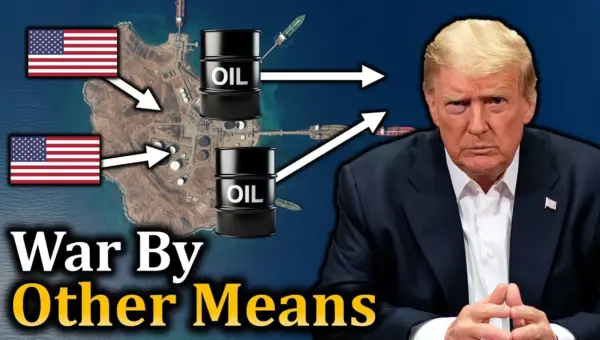
US Mimics Ukraine’s Tactic Against Iran’s Oil
The U.S. is adopting Ukraine's strategy of economic coercion against Iran, targeting oil exports. This approach aims to pressure Iran by exploiting its limited oil storage capacity, potentially avoiding direct military conflict. The situation hinges on Iran's ability to manage its oil surplus within a critical two-week window, with significant implications for global energy markets.

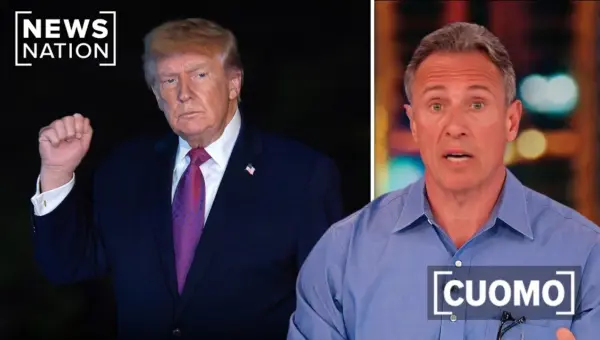
Trump’s Iran Policy Lacks an Exit: A Risky Gamble
The U.S. faces a tense standoff with Iran, marked by a lack of a clear exit strategy and potential for escalation. Iran's actions in the Strait of Hormuz and threats to vital infrastructure raise concerns about regional stability and humanitarian impact.


Wildfires Rage in Southeast, Chemical Leak Kills 2
Wildfires are raging across the Southeast, prompting a state of emergency in Georgia and leading to widespread evacuations and home destruction. Meanwhile, a chemical leak at a West Virginia refinery killed two people and injured dozens more. Tensions with Iran also escalated as the country seized commercial ships in the Strait of Hormuz.