US Mimics Ukraine’s Tactic Against Iran’s Oil
The U.S. is adopting Ukraine's strategy of economic coercion against Iran, targeting oil exports. This approach aims to pressure Iran by exploiting its limited oil storage capacity, potentially avoiding direct military conflict. The situation hinges on Iran's ability to manage its oil surplus within a critical two-week window, with significant implications for global energy markets.

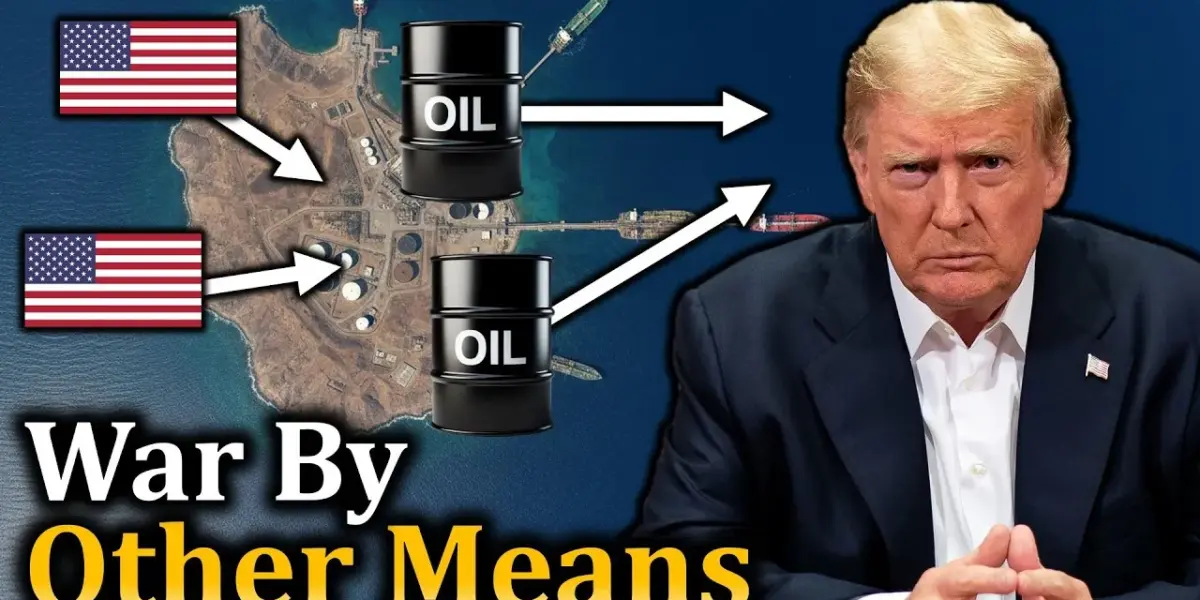
US Adopts Ukraine’s Economic Strategy Against Iran
The United States is now employing an economic strategy against Iran that Ukraine has used against Russia for nearly a year. This approach, focusing on economic coercion rather than direct military action, aims to pressure Iran by targeting its oil exports. This shift explains why the U.S. has not resumed direct military engagement with Iran and could significantly impact global oil markets.
Stalemate in Negotiations Fuels Economic Conflict
Recent diplomatic efforts between the U.S. and Iran, including planned talks in Pakistan, have stalled. The cancellation of these negotiations, coupled with a continuing blockade of Iranian ports by the U.S. and Iran’s threats against shipping in the Strait of Hormuz, signifies an economic conflict. This situation is not due to a lack of trust or willingness to meet, but rather a fundamental disagreement on acceptable outcomes for both sides.
Economic Coercion as a New Form of Warfare
The current conflict is characterized by economic pressure, a tactic that military strategist Carl von Clausewitz described as “war by other means.” The U.S. is blockading Iranian ports, while Iran threatens ships attempting to pass through the Strait of Hormuz. This economic warfare aims to impose costs on the opposing side, potentially leading to a political resolution without direct combat.
Iran Faces Critical Oil Storage Shortage
Iran’s oil export infrastructure, centered on Kharg Island, has limited storage capacity. Under normal conditions, oil is quickly shipped out via large tankers. However, a sustained blockade of the Strait of Hormuz prevents tankers from leaving, leading to a buildup of crude oil.
Shutting Down Oil Production is Costly
If Iran cannot export its oil, it will be forced to shut down oil wells. Unlike simply turning off a switch, restarting these wells takes time and resources. This prolonged shutdown could have significant long-term economic consequences for Iran and disrupt global energy markets.
Ukraine’s Precedent: Targeting Russian Refineries
Ukraine previously employed a similar strategy against Russia by targeting its oil refineries. This tactic aimed to strand Russia’s oil production by limiting export options. The current U.S. strategy against Iran focuses specifically on the export side of the oil industry, mirroring Ukraine’s approach.
U.S. Military Stockpiles Influence Strategy
Recent reports indicate that U.S. military stockpiles are depleted, with significant reductions in Patriot and THAAD missile systems, as well as Tomahawk missiles. This depletion may be a factor in the U.S. decision to pursue economic coercion over renewed kinetic action. Instead of expending valuable missiles, the U.S. is opting to economically pressure Iran.
The Two-Week Deadline and Market Impact
External analysts estimate that Iran has approximately a two-week window before its oil storage capacity is overwhelmed. This timeline is crucial, as failure to resolve the situation within this period could lead to long-term consequences for Iran’s economy and the global energy market. The U.S. administration views this as a critical period for applying pressure.
Geopolitical Ramifications and Future Outlook
If Iran can withstand the economic pressure beyond the two-week mark, the U.S. may face a decision to re-engage in kinetic actions. The situation remains fluid, with ongoing economic warfare replacing direct military confrontation. The ultimate outcome will depend on which side can sustain its efforts longer and how global energy markets react to the continued disruption.
Key Takeaways
- The conflict continues through economic means, not just direct fighting.
- Both sides believe they can outlast the other, explaining the ongoing stalemate.
- Iran’s ability to manage its overflowing oil storage is the next critical development to watch.
Source: Ukraine Tried This on Russia. Now the U.S. Is Trying It on Iran. (YouTube)

Related Articles


Trump’s Iran Policy Lacks an Exit: A Risky Gamble
The U.S. faces a tense standoff with Iran, marked by a lack of a clear exit strategy and potential for escalation. Iran's actions in the Strait of Hormuz and threats to vital infrastructure raise concerns about regional stability and humanitarian impact.


Wildfires Rage in Southeast, Chemical Leak Kills 2
Wildfires are raging across the Southeast, prompting a state of emergency in Georgia and leading to widespread evacuations and home destruction. Meanwhile, a chemical leak at a West Virginia refinery killed two people and injured dozens more. Tensions with Iran also escalated as the country seized commercial ships in the Strait of Hormuz.


Wildfires Rage Across South; Chemical Leak Kills Two
Wildfires are raging across the southern U.S., causing widespread destruction and forcing evacuations. In Georgia, a fire has destroyed nearly 50 homes and threatens 1,000 more. Meanwhile, a chemical leak in West Virginia has killed two people and injured dozens. Tensions are also high in the Middle East as Iran boards ships in the Strait of Hormuz.