Faith Cost Influencer $25k Deal: A New Divide Emerges
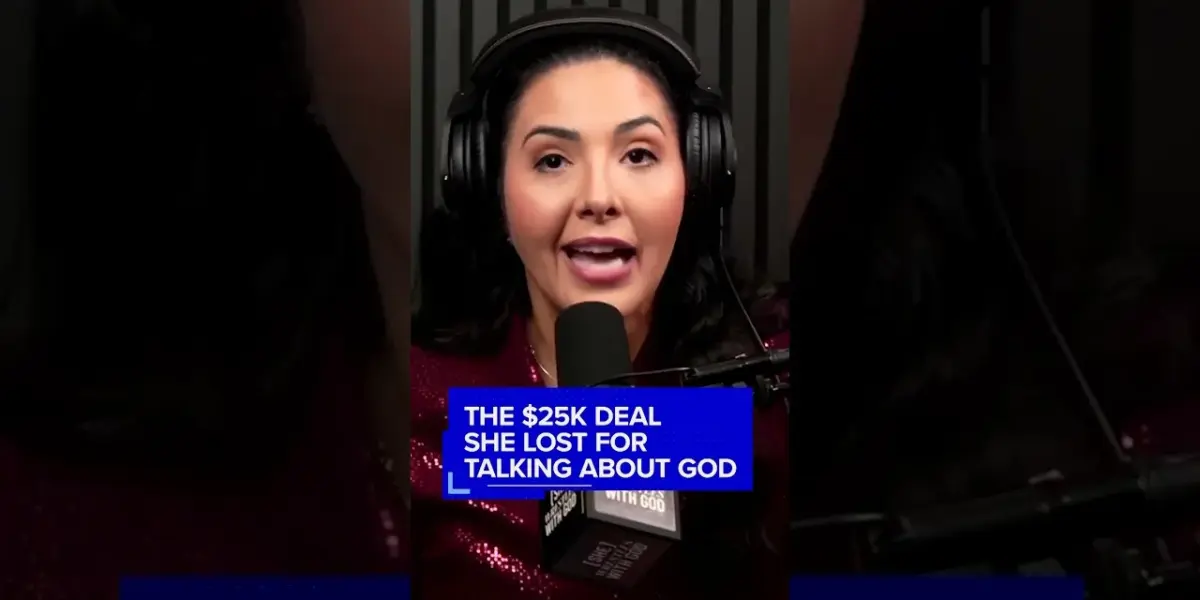
An influencer lost a $25,000 job opportunity after a company asked them to refrain from discussing their faith. This incident highlights the growing tension between personal beliefs and professional demands in the digital age.

Faith Cost Influencer $25k Deal: A New Divide Emerges
A recent experience highlights a growing tension for public figures: balancing personal beliefs with professional opportunities. An influencer, who preferred to remain anonymous, revealed losing a $25,000 deal simply for discussing their faith. This situation brings to light how deeply intertwined personal identity and public persona have become today.
The influencer had a strong connection to the company, having received a referral, an endorsement, and even coached some of its leaders. The initial meeting seemed promising, with most team members showing approval. However, a crucial question arose from one team member about the influencer’s frequent posts about their faith.
The core of the issue was whether the influencer could refrain from mentioning God during their professional engagement. This request presented a significant dilemma, as the influencer had previously been willing to set aside public discussions of their faith in professional settings. They believed that even without explicit mentions of God or religion, people could still sense a deeper positive influence or be curious enough to seek out more information later.
The Dilemma of Public Faith
The influencer’s past approach involved focusing on the positive impact of their faith without directly naming it. They felt that their actions and overall demeanor could convey the essence of their beliefs.
This strategy allowed them to participate in opportunities while maintaining their personal integrity. The idea was that transparency would eventually follow, allowing others to see the full picture of who they are.
However, the company’s direct question about not talking about God signaled a potential shift in expectations. It suggested a desire for a complete separation between the influencer’s professional output and their spiritual life. This puts individuals in a difficult position, forcing them to choose between potentially lucrative opportunities and expressing fundamental aspects of their identity.
This incident is not isolated; many public figures, from athletes to entertainers, face similar pressures. The expectation to present a carefully curated image can sometimes clash with the desire for authenticity. Companies, in turn, may worry about brand alignment and potential controversy, leading them to set boundaries.
Why This Matters
This $25,000 loss represents more than just lost income; it signifies a broader cultural conversation about religious freedom, professional conduct, and corporate responsibility. As online platforms give individuals more power to build their own brands, the lines between personal and professional life blur. This blurring can lead to situations where deeply held beliefs become points of contention in the job market.
The situation raises questions about how much of their personal identity individuals should, or can, express in professional contexts. It also prompts consideration of whether companies have a right to dictate what aspects of an employee’s or contractor’s personal life are off-limits. For the influencer, the core belief was that their faith informs their actions and outlook, making a complete erasure difficult without feeling inauthentic.
Implications and Future Outlook
The trend suggests that public figures will continue to grapple with these balancing acts. Companies might become more cautious, developing stricter guidelines on personal expression to avoid potential backlash. This could lead to a more homogenized public persona among influencers and public figures, where controversial or deeply personal topics are avoided.
Conversely, there is a growing movement towards authenticity and embracing one’s full identity. This could empower individuals to be more upfront about their beliefs, potentially leading to more diverse and genuine online communities. It might also create opportunities for brands that are more inclusive and understanding of different personal values.
The future could see more explicit discussions about these boundaries. Perhaps clearer guidelines will emerge, or perhaps individuals will increasingly seek out partnerships that align with their values. The influencer’s experience is a case study for many others navigating this complex terrain.
Historical Context
Historically, public figures have always had to manage their image. From Hollywood’s golden age to the rise of television, maintaining a certain public face was crucial for career longevity. However, the internet and social media have democratized influence, allowing individuals to build massive followings independent of traditional gatekeepers.
This shift has created new challenges. While it offers freedom, it also brings increased scrutiny.
The ability for anyone to share their life online means that personal beliefs are more visible than ever before. This visibility can be both a strength, fostering connection, and a vulnerability, leading to professional consequences.
In the past, religious or personal beliefs might have been more private matters for public figures. Today, with social media making every aspect of life potentially public, these issues are more likely to surface and influence professional dealings. The influencer’s $25,000 loss is a modern manifestation of this ongoing tension between public persona and private conviction.
This situation highlights the need for clearer communication and understanding on both sides. As more individuals build careers around their personal brand, finding ways to navigate these sensitive issues respectfully will be crucial for everyone involved. The conversation about faith, work, and identity is far from over.
Source: The $25k deal an influencer lost for talking about God (YouTube)

Related Articles

Faith Content Cost Influencer $25K Deal, Sparking Debate
Influencer Giselle Ugarte lost a $25,000 deal after a client asked her to avoid discussing her faith online. Her experience highlights the growing tension for creators integrating personal beliefs into their public content and the challenges of authenticity in the digital age.

Texas Schools Must Display Ten Commandments After Court Ruling
A federal appeals court ruled Texas can require public schools to display the Ten Commandments, upholding a state law. Civil liberties groups criticize the decision, citing the separation of church and state. The case is expected to go to the Supreme Court.


Influencer Exposes Congressman’s Abuse of Power
Influencer Ariel Foder, known as Mrs. Frazzled, exposed Congressman Eric Swalwell's alleged misconduct after years of rumors. Her actions, alongside other influencers, highlight a culture of abuse in Washington and the power of trusted online voices to drive accountability when traditional media and political parties fail.