US Sanctions Cripple Iran: Regime on Financial Brink
Intense U.S. economic sanctions have pushed Iran to the brink of financial collapse, crippling its military and weakening its currency. Divisions within the Iranian regime are widening, exposing leadership struggles. This strategy aims to force negotiations or lead to the regime's downfall.

US Sanctions Cripple Iran: Regime on Financial Brink
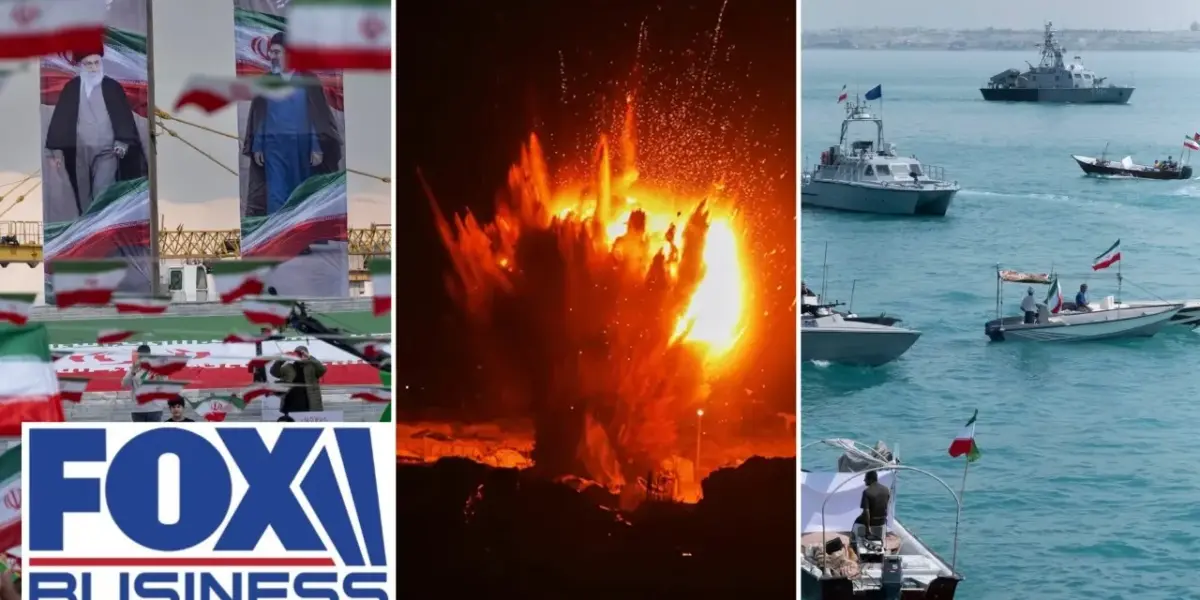
The United States has successfully applied intense pressure on Iran’s government, pushing it to the verge of financial collapse. This strategy, dubbed “Operation Epic Fury,” has significantly degraded Iran’s military and economic strength.
A former State Department official, Ellie Cohanim, explained that the operation initially focused on military targets, destroying a large portion of Iran’s military capabilities. The focus then shifted to economic measures, which are now severely impacting the regime.
Iran’s currency is currently worth very little, and its banks have already experienced runs. The government is struggling to pay its own militia forces, like the Basij and IRGC.
The loss of about $500 million per day in oil revenue means Iran is running out of time and money. The United States, however, has the advantage and can afford to wait.
Economic Pressure Mounts
The Trump administration’s blockade of the Strait of Hormuz is a key part of this economic pressure. This action is financially strangling the Iranian regime.
It has created a desperate need for cash, leading Iran to seek sanctions relief and access to frozen funds. This situation highlights how effective economic sanctions can be in forcing a government to reconsider its actions.
The goal is to make the regime unsustainable. With the blockade in place, Iran’s government faces a critical shortage of funds.
This financial pressure is designed to compel the regime to negotiate or face collapse. The administration believes it has the upper hand in this standoff.
Regime Fractured, Divisions Exposed
A significant success of the U.S. strategy has been the fracturing of the Iranian regime itself. The administration has made public the deep divisions between the political leadership and the Islamic Revolutionary Guard Corps (IRGC).
This exposure is important for the Iranian people to see. It shows that the leaders cannot even agree among themselves, let alone present a united front to the United States.
While the IRGC commander appears to be making many of the key decisions, there are some political figures within Iran who understand the dire situation. Figures like President Pezeshkian and former Speaker Ghalibaf seem to recognize the regime is nearing financial collapse.
They understand that the government will fall if a deal isn’t reached. These individuals appear more willing to negotiate realistically.
“The world now knows that there is a huge division now between the political leaders and the IRGC. And that’s also very interesting point for the Iranian people to understand that that these so-called leaders cannot even get their own act together right now to present the United States with a deal.”
IRGC’s Troubled Past
It is important to remember the history of some individuals within the Iranian regime. The current head of the Republican Guard, Vahidi, has been linked to horrific acts of terrorism.
This includes the 1983 bombing of the Marine Barracks in Beirut, which killed 241 U.S. service members. He is also connected to other attacks, including one in Argentina that targeted children.
This background highlights the nature of the regime the U.S. is confronting. The administration believes that these actions are pushing Iran towards a breaking point. The hope is that this pressure will lead to a change in Iran’s behavior on the global stage.
Market Impact
The financial pressure on Iran has significant implications for global energy markets. Reduced oil exports from Iran can lead to fluctuations in oil prices.
However, the U.S. strategy aims to isolate Iran economically, limiting its ability to fund destabilizing activities. For investors, this means watching for potential shifts in oil supply and geopolitical risk premiums.
The long-term impact depends on Iran’s response and the duration of the U.S. sanctions. If Iran’s financial situation continues to deteriorate, it could lead to further internal instability.
This could have ripple effects across the Middle East. Investors should monitor developments in the region and their potential impact on energy prices and international relations.
What Investors Should Know
Investors monitoring the energy sector should pay close attention to Iran’s oil production levels and any changes in sanctions enforcement. Geopolitical tensions in the Middle East can often lead to increased volatility in oil and gas prices. Understanding the U.S. strategy of applying economic pressure provides context for these market movements.
The U.S. strategy is designed to be a waiting game, with the advantage on America’s side. The financial strain on Iran is intended to create leverage for future negotiations.
Investors should consider how prolonged economic pressure might affect global supply chains and regional stability. The situation remains dynamic, with potential for further developments.
The administration’s focus on economic sanctions as a primary tool continues to be a key aspect of its foreign policy. The success of this strategy in weakening Iran’s financial standing is a notable development. The coming weeks will likely show whether this pressure leads to the desired outcomes.
Source: US has succeeded in ‘fracturing’ the Iranian regime: Former State Department official (YouTube)

Related Articles
US Strategy: Blockade Iran, Avoid War in Gulf
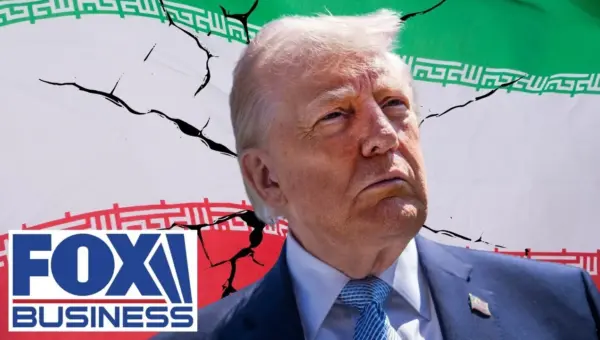
Admiral Robert Harwood outlines a U.S. strategy focused on economically pressuring Iran to ensure free passage through the Strait of Hormuz. The approach prioritizes avoiding military conflict while addressing Iran's nuclear ambitions and regional threats.


Lebanese Families Weigh Exodus Amidst Escalating Conflict
Weeks of escalating conflict in Lebanon are forcing families into difficult decisions about whether to stay or flee. Amidst ongoing airstrikes, many grapple with the emotional toll of potentially leaving their homes and heritage behind. Children's innocent questions highlight the devastating impact of the violence on their daily lives.

Israel Marks 78 Years Amid War, Deep Political Divides
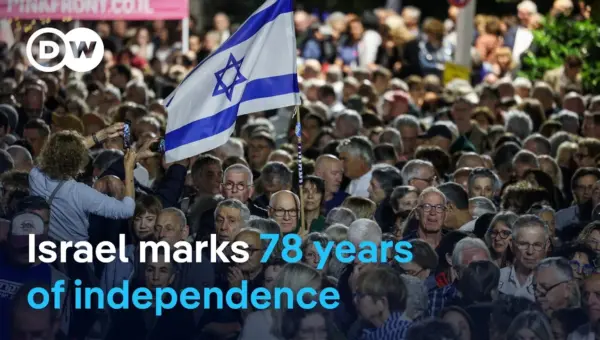
Israel celebrated its 78th Independence Day amidst ongoing wars and deep political divisions. Official ceremonies were marked by somber reflections, while alternative events highlighted concerns over democracy. The nation grapples with unresolved security issues and complex international relations.