Red States Revolt: GOP Lawmakers Defy Trump’s Power Grab
Republican lawmakers in Indiana are pushing back against Donald Trump's demands for redistricting, prioritizing voter concerns and avoiding potential electoral losses. This defiance signals a growing trend of state-level GOP officials asserting their independence from Trump's influence, potentially reshaping the party's future direction.

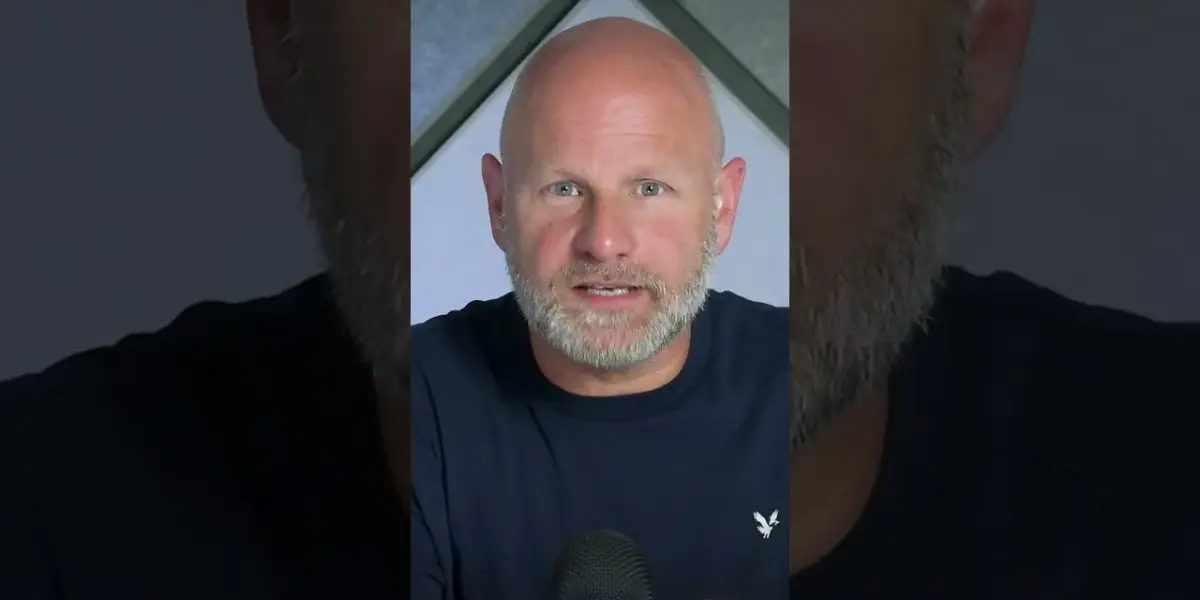
Red States Revolt: GOP Lawmakers Defy Trump’s Power Grab
Donald Trump is facing a growing wave of defiance, not just from across the political aisle, but from within his own party. Republican lawmakers in conservative states are increasingly pushing back against his directives. This internal rebellion is most clearly seen in states controlled by Republicans, often called “red states.” Nowhere is this pushback more evident than in Indiana.
During the important redistricting period in 2025, Trump urged right-wing states to redraw their political maps. His goal was simple: create more districts that favor Republicans and increase their chances of winning seats.
He specifically told states like Texas and Indiana to gerrymander, a tactic used to manipulate electoral district boundaries. This would effectively try to eliminate Democratic representation.
Texas followed Trump’s advice and redrew its districts. Democrats in California also took similar actions to benefit their party.
However, the Republican leaders controlling Indiana made a different choice. They directly told Trump they would not follow his instructions, stating there was no good reason to do so.
These Indiana Republicans explained their decision clearly. They worried that following Trump’s orders would anger voters. More importantly, they saw a major flaw that Texas might have overlooked.
Making Republican districts safer could actually backfire, making some of those seats vulnerable to Democratic takeover. In essence, they realized Trump’s plan could lead to losing seats, not gaining them.
This independent thinking clearly angered Donald Trump. He has spent many months attacking eight Republican state senators from Indiana.
These are the same senators who opposed his redistricting plan. Trump is now actively supporting opponents to these lawmakers, hoping to unseat them.
This internal conflict has created a serious rift among Indiana’s Republican officials. They are now worried that their public disagreements could cause them to lose their majority in the state legislature. This is a significant concern in a state that is strongly Republican.
State Senator Travis Holdman, a key Republican leader Trump has clashed with, spoke about the situation. He revealed that the White House pressured Republican legislators to quickly pass new district maps.
They were asked to complete this process in less than two months. This is much faster than the usual five months typically spent on redistricting.
Holdman further explained that the proposed new congressional district lines were not even shared with lawmakers until right before a vote. This vote ultimately failed by a large margin.
He stated the lawmakers were being asked to vote on something they had not had a chance to review. This lack of transparency and the rushed timeline highlight the unusual pressure applied.
Why This Matters
This situation in Indiana shows a growing trend: Republican leaders at the state level are beginning to prioritize their own political interests and voter concerns over Donald Trump’s demands. Historically, state-level party officials have often aligned closely with national party leaders. However, this event suggests a potential shift where local pragmatism is starting to outweigh blind loyalty.
The implications of this defiance are significant for the Republican Party’s future. If more state-level officials feel empowered to disagree with Trump, it could weaken his influence. It might also signal a move towards a more decentralized party structure, where state-specific strategies and voter needs take precedence.
This trend could affect future elections. When state parties can make their own decisions about critical issues like redistricting, they may be better positioned to win elections in their specific states. It allows them to adapt to local political conditions rather than following a top-down directive that might not fit.
Looking ahead, we may see more instances of state Republican leaders making independent decisions. This could be especially true in states where Trump’s influence is less dominant or where local political realities strongly conflict with his directives. The outcome of these internal party struggles will likely shape the Republican Party’s direction and its ability to win elections in the coming years.
The immediate next step to watch is how these internal conflicts within Indiana’s Republican Party play out in upcoming elections and beyond the next election cycle.
Source: Red states are TIRED of Trump (YouTube)

Related Articles
Tucker Carlson Apologizes for Trump’s Election, Signals MAGA Rift
Prominent media figure Tucker Carlson has publicly apologized for his role in electing Donald Trump, signaling a major rift within the MAGA movement. His statements suggest a deep personal conflict and a potential strategic shift as he distances himself from Trump, sparking debate over his true motives and the future of conservative politics.

Trump’s Approval Plummets Amid Economic Woes and Defections
President Trump's approval rating has plummeted to 33%, sparking concern among allies and signaling voter fatigue with his policies. Key figures like Steve Bannon and Tucker Carlson are distancing themselves, citing economic failures and a perceived "war tax" on gas. This decline challenges the narrative of Trump's unshakeable base and echoes historical struggles of past presidencies.

Tucker Carlson Apologizes for Trump Coverage: Hosts React
Tucker Carlson has apologized for misleading his audience about his past support for Donald Trump, a move discussed by MSNBC hosts Stephanie Ruhle and Ali Velshi. They questioned the timing and sincerity of the apology, highlighting Carlson's long-standing media expertise. The admission could signal shifts within conservative media and influence how viewers perceive political figures.