Iran Attacks Ships: Trump’s Ceasefire Humiliates US
Iran's recent attacks on commercial vessels in the Strait of Hormuz have intensified regional tensions, sparking criticism of the U.S. leadership's handling of the situation. The decision to extend a ceasefire is being viewed as a humiliating misstep that has emboldened Iran.

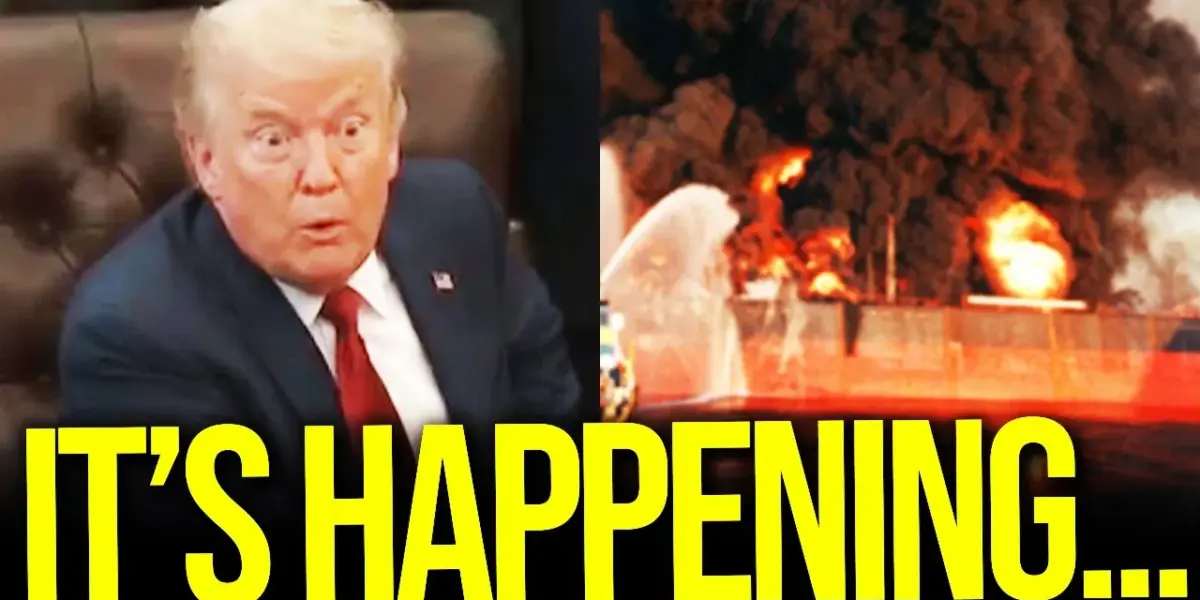
Iran Attacks Ships: Trump’s Ceasefire Humiliates US
Overnight, Iran attacked two ships in the Strait of Hormuz, with reports of a third vessel being targeted as it tried to pass through. This aggressive action follows the United States’ decision to extend a ceasefire by three days, a move intended to de-escalate tensions. Instead, Iran’s actions are seen by many as a direct challenge, creating a deeply humiliating situation for the U.S. on the global stage.
The attacks highlight a perceived weakness in leadership. Despite Donald Trump’s past strong rhetoric against Iran, labeling them terrorists and threatening war crimes, critics argue his actions show a lack of decisive leadership when it matters. This inconsistency, they contend, creates an opening for Iran to test boundaries and provoke further incidents, like seizing ships and disrupting vital shipping lanes.
A Pattern of Provocation
This isn’t the first time Iran has demonstrated such actions. The Strait of Hormuz is a critical waterway, and Iran has a history of attempting to control or disrupt passage. The recent attacks, involving firing upon and seizing vessels, including those owned by major European shipping companies like MSC, demonstrate Iran’s continued capability and willingness to assert dominance in the region.
The attacks occurred despite the U.S. extending a ceasefire, a move that critics say was a misstep. By offering more time to Iran under the guise of peace, the U.S. appears to have inadvertently provided an opportunity for Iran to rearm and continue its aggressive posture. This has led to accusations that the U.S. is desperate for a ceasefire, even at the cost of its international standing.
Concerns Over Leadership and Cognitive Health
A significant portion of the criticism directed at the current situation focuses on the cognitive health and decision-making abilities of Donald Trump. Videos have circulated showing him struggling to read a Bible verse, with some observers noting slurred speech and difficulty projecting his voice. This is contrasted with his past claims of strength and leadership.
Further fueling these concerns are Trump’s comments regarding past wars. He has claimed he could have won the Vietnam War quickly and that the U.S. has already won conflicts like the one in Iraq in a very short time. Critics find this contradictory, questioning how a decisive victory could result in the current situation of ongoing attacks and a perceived U.S. retreat.
The argument is that if the U.S. had truly achieved a swift and decisive victory, Iran would not be in a position to continue attacking ships. The decision to extend the ceasefire, rather than projecting strength, is interpreted as a sign of fear or a lack of a clear strategy. This perceived weakness allows Iran to continue its actions, potentially using the Strait of Hormuz as leverage while developing its nuclear capabilities.
Historical Context and International Relations
The Strait of Hormuz has long been a point of contention, a narrow waterway through which a significant portion of the world’s oil supply passes. Control or disruption of this strait has major global economic implications. Historically, the U.S. has maintained a strong naval presence to ensure freedom of navigation.
The current situation draws parallels to past geopolitical challenges where perceived American indecisiveness or miscalculation has emboldened adversaries. The decision-making process, particularly the reliance on intelligence from allies like Israel over U.S. military advisors, is also being scrutinized. This has led to the U.S. being perceived as potentially trapped in a difficult and unfavorable situation.
The Role of Propaganda
Both sides in the conflict are accused of using propaganda to shape public opinion. Iran has released videos, some created with AI, that are critical of the U.S. and its allies. While some may find these videos catchy or even humorous, critics point out their origin from a regime that represses its own citizens.
The U.S. administration is also accused of engaging in similar tactics, including the creation of meme-like videos. The concern is that in a time of actual conflict and potential escalation, such actions can trivialize the gravity of the situation. This is especially true when juxtaposed with the real-world consequences, such as increased gas prices and ongoing military actions.
Why This Matters
The events in the Strait of Hormuz have immediate and far-reaching consequences. The disruption of shipping lanes directly impacts global trade and can lead to increased energy costs for consumers worldwide. The perceived weakening of U.S. influence in a critical region could embolden other actors and destabilize international relations further.
The questions raised about leadership and cognitive ability are significant. The stability and effectiveness of a nation’s leadership are crucial, especially during times of international crisis. If decisions are perceived as flawed or driven by factors other than sound strategic judgment, it can erode confidence both domestically and abroad.
Implications and Future Outlook
The current trajectory suggests a continued period of tension and potential conflict in the Middle East. Iran’s actions indicate a willingness to challenge international norms and U.S. authority. The U.S. response, or lack thereof, will set a precedent for future interactions.
There is a risk that this situation could escalate into a wider conflict, drawing in other regional and international players. The ongoing debate about the U.S. president’s fitness for office adds another layer of uncertainty to the nation’s foreign policy direction.
The situation demands clear-headed diplomacy and a consistent, strong foreign policy. The effectiveness of future negotiations and the stability of the region may depend on how these immediate challenges are addressed. The world watches to see if diplomacy can prevail over further escalation.
The next few days will be critical as the extended ceasefire period concludes, and the world will observe Iran’s next moves and the U.S. response.
Source: War Explodes As Trump Health Crisis Worsens (YouTube)

Related Articles

Trump’s Health Vanishes Amidst Political Turmoil
Recent Democratic victories in Virginia highlight a shifting political landscape. Meanwhile, Donald Trump's repeated disappearances from public view have intensified concerns about his health. Legal challenges, including a civil lawsuit over January 6th, add to the pressure.

DOJ Staffers Fear Trump’s Next Attorney General Pick
DOJ staffers are reportedly in a state of panic following Pam Bondi's dismissal as Attorney General, with no replacement named. Fear is mounting over potential politically motivated prosecutions under a new leader, potentially jeopardizing lawyers' careers and legal ethics.
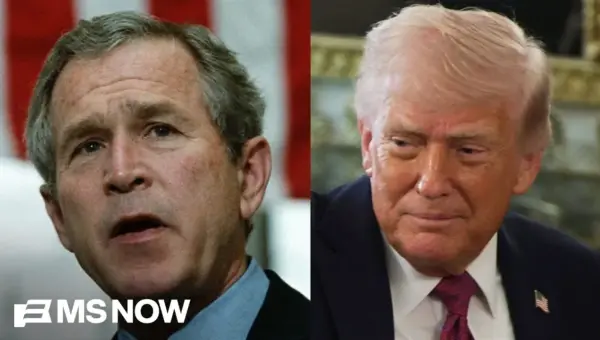
Poll Shock: Trump’s Numbers Echo Bush’s Lows Amid Economic Woes
New polling indicates Donald Trump's approval ratings are at historic lows, drawing comparisons to George W. Bush's second term. The ongoing Middle East conflict and persistent cost of living crisis are significantly impacting voter sentiment, with economic issues remaining the top concern. Republicans face a challenging landscape heading into the midterms as Democrats aim to capitalize on these trends.