Hungary’s New Leader Offers Ukraine Hope
Hungary's recent election of Peter Magyar as opposition leader signals a potential shift in its relationship with Ukraine. While not guaranteeing an easy path, the change offers Ukraine a better chance for constructive dialogue and fairer deals, especially concerning EU accession. The broader EU landscape may also see a reduction in Russian influence.

Hungary’s New Leader Offers Ukraine Hope
Recent elections in Hungary have brought a significant change, potentially altering the country’s relationship with Ukraine and its stance within the European Union. Opposition leader Peter Magyar secured a decisive victory, ending Viktor Orbán’s 16-year rule. This shift offers Ukraine a chance for more constructive dialogue, though challenges remain.
While the new Hungarian leadership is less likely to engage in rhetoric against Ukraine compared to the previous government, hard negotiations are still expected. Ukraine will need to remain actively involved in discussions with Budapest. However, the change is seen as a positive development, creating opportunities for fairer agreements.
A key issue for Ukraine is its accession to the European Union. While the unlocking of a 90 billion euro EU loan is anticipated soon, the path to full membership will require considerable effort. The new Hungarian administration is not expected to bring about a complete reversal in Budapest’s position on this critical matter.
EU’s Internal Dynamics Shift
Orbán’s departure from power may weaken Russia’s influence within the EU. Orbán was a prominent figure, but not the only one sympathetic to Russia. Other European leaders, like the Prime Minister of Belgium, have also shown interest in improving relations with Russia, sometimes at Ukraine’s expense.
The defeat of Orbán’s government is a blow to anti-European forces across the continent. Their radicalized agenda would have gained momentum had Orbán won. Now, European leaders can temporarily breathe easier, facing less internal pressure from these groups.
The election results in Hungary are also seen as a positive development for the EU’s overall standing in the world. While not solving all existing problems, the outcome contributes to a healthier external environment for Europe. The internal shifts could make it easier for the EU to find common ground on foreign policy issues.
US-Russia Dynamics and Ukraine’s Position
The United States’ approach to negotiations, particularly concerning Ukraine, appears rooted in a great power mindset. The U.S. views Russia as a major power and expects smaller nations to yield to stronger ones. This perspective can lead to demands for concessions from Ukraine that mirror how the U.S. might expect a smaller nation to respond to its own demands.
Former President Trump’s stance on Ukraine is unlikely to change significantly, regardless of Ukraine’s actions. His approach to foreign policy seems consistent, focusing on pressing Ukraine to make territorial concessions in the Donbas region to achieve a ceasefire.
Trump’s rejection of Ukraine’s proposal for assistance in the Gulf was likely driven by a desire not to be indebted to Ukraine. He may also view needing Ukraine’s support to address issues like Iran as a personal slight, impacting his ego.
Ukraine’s Diplomatic Efforts in the Gulf
Ukraine has actively pursued diplomatic and cooperative relationships with several Gulf countries, a move seen as strategically wise and swift. This engagement represents a significant investment in building these relationships, though their long-term strategic value remains to be determined.
The cooperation with Gulf nations is described as a strong start, with the potential to build a solid foundation. However, diplomacy is a long-term endeavor, and the consistency of this cooperation will be key to its success.
The Stalemate and Future Outlook
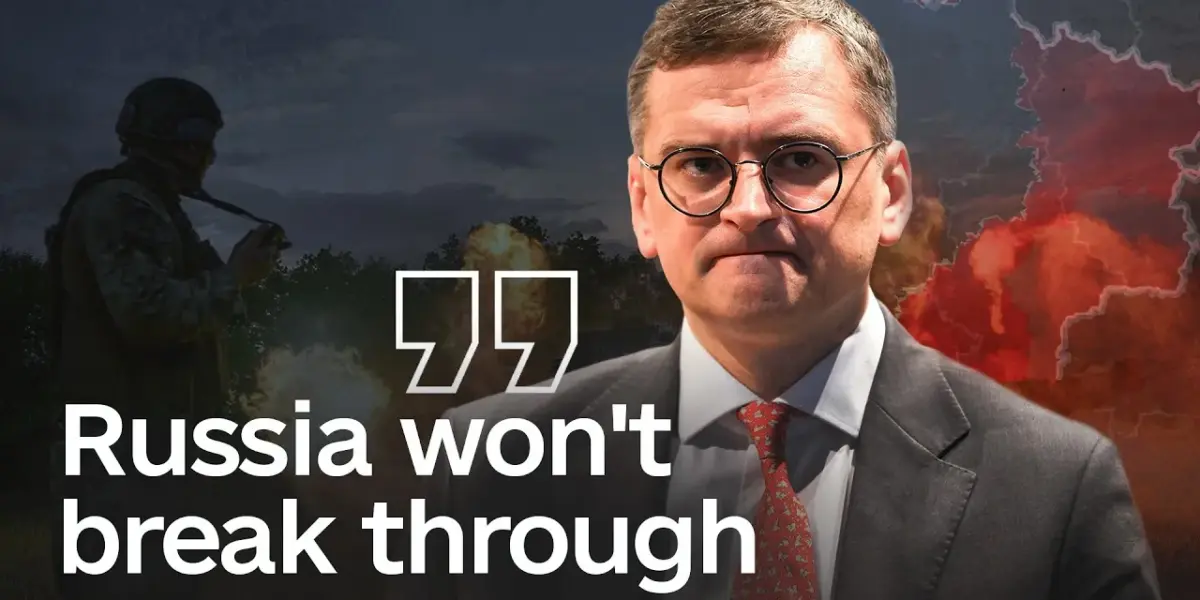
The conflict between Russia and Ukraine is currently in a deadlock, with neither side able to achieve a decisive breakthrough. Major battlefield developments are not expected in the near future, with significant changes more likely to occur in the air rather than on the ground.
Both Russia and Ukraine possess sufficient resources to maintain the current level of conflict. However, neither has the capacity to alter the war’s trajectory significantly in the foreseeable future. The situation suggests a prolonged conflict unless external factors or internal shifts occur.
Internal Ukrainian Politics and Governance
Ukraine faces the complex challenge of holding elections during wartime. The risks associated with not conducting elections are considered higher than the risks of proceeding with them. Maintaining a vibrant democracy and reinforcing governance structures are seen as crucial, even amidst conflict.
A key argument for holding elections is the need for a representative parliament that reflects the current state of Ukrainian society. The current parliament was elected in 2019, and society has evolved significantly since then, with a desire for more military personnel and volunteers to be represented.
A prolonged absence of elections could lead to systemic disintegration, impacting the government’s ability to make necessary decisions and strengthen the country. Proactive planning and strategic decision-making are essential to avoid a future deterioration of the situation.
Societal Resilience and Future Tests
Despite the hardships and the prolonged conflict, the will of Ukrainian society to resist the Russian invasion remains strong. The resilience of the Ukrainian people is considered a significant advantage, having helped the nation endure severe challenges.
The coming year presents major tests for Ukraine, particularly concerning its energy grid. Both summer heat and winter cold pose risks, suggesting potential for increased attacks on energy infrastructure. Surviving the upcoming periods will be crucial for Ukraine.
Source: Russia's war won't end soon, Dmytro Kuleba says (YouTube)

Related Articles
Russia Warns Europe Amid Joint Nuclear Drills
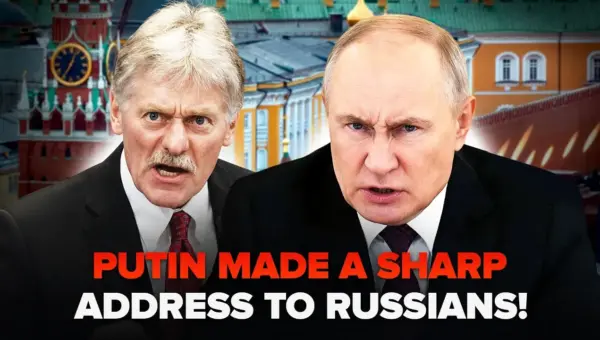
Russia expresses concern over joint French-Polish nuclear exercises, adopting a more restrained tone in its nuclear rhetoric. President Putin remains committed to the conflict in Ukraine, while officials question US support for Europe amid growing European militarization. Reports highlight increasing Russian military casualties through extensive cemetery footage, contrasting with official narratives.
Iran’s Regime Faces Economic Collapse Amid Sanctions
Iran's regime is facing severe economic pressure from U.S. blockades and regional actions, costing it $500 million daily. Meanwhile, NATO allies are urged to increase defense spending amid rising Russian provocations.

US Faces Iran Standoff: Can Diplomacy Win Over Threats?
The U.S. and Iran are in a tense standoff over the Strait of Hormuz and Iran's nuclear program. High-level talks are set to occur in Pakistan, but experts debate whether diplomacy or threats will lead to a resolution. The situation impacts global oil prices and regional stability.