US Faces Iran Standoff: Can Diplomacy Win Over Threats?
The U.S. and Iran are in a tense standoff over the Strait of Hormuz and Iran's nuclear program. High-level talks are set to occur in Pakistan, but experts debate whether diplomacy or threats will lead to a resolution. The situation impacts global oil prices and regional stability.

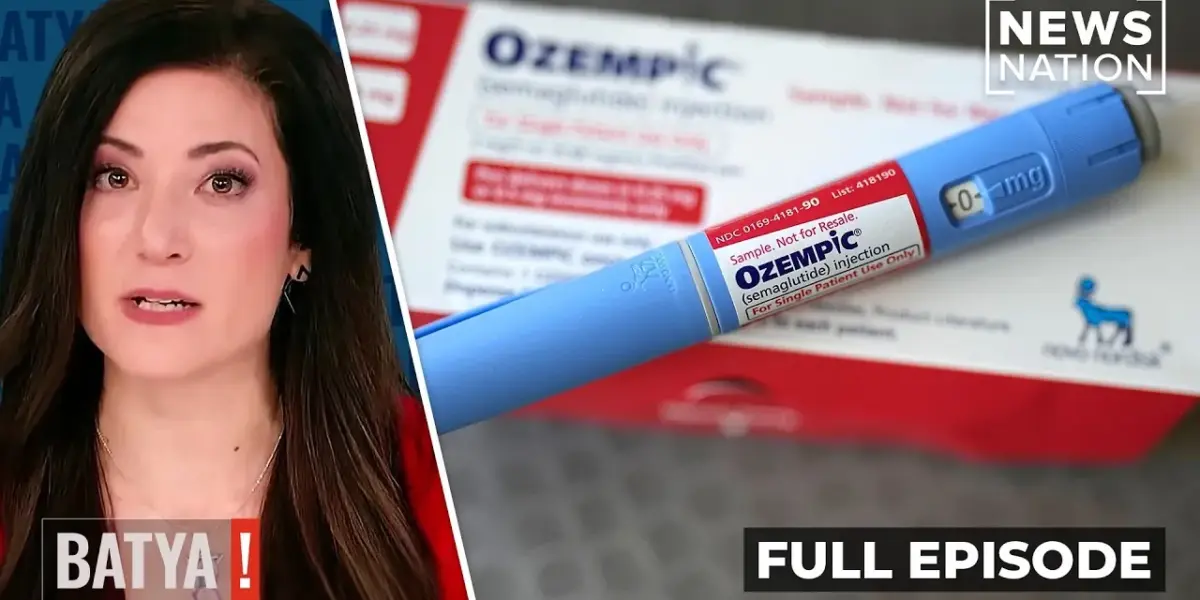
US Faces Iran Standoff: Can Diplomacy Win Over Threats?
The United States and Iran are locked in a tense standoff, with President Trump issuing a stern deadline for a deal to end the ongoing conflict. The situation escalated over the weekend as both nations exchanged fire in the Persian Gulf.
Iran declared the Strait of Hormuz closed again and fired on two vessels. In response, the U.S. Navy disabled an Iranian cargo ship that tried to breach a blockade and then seized it.
This dangerous game of brinkmanship has led to high-level diplomatic efforts. Vice President Vance, alongside Jared Kushner and Steve Witoff, are reportedly heading to Pakistan for talks with Iran’s speaker, Muhammad Galibbof.
The core question is what President Trump can accept from Iran to declare victory. He needs more than the previous Iran deal, which he scrapped, and must ensure Iran doesn’t keep enriched uranium or continue enriching it.
Expert Analysis: A Tense Negotiation
Former NATO Supreme Allied Commander General Wesley Clark, former Navy Secretary Carlos Del Toro, and former Deputy National Security Adviser Victoria Coates offered insights into the complex situation. Victoria Coates believes the U.S. holds the stronger hand militarily, pointing to Iran’s severe economic troubles, including internet blackouts and a halted stock market. She suggests Iran’s leadership may have few options and will likely attend the Pakistan talks.
However, Secretary Del Toro cautioned against underestimating Iran’s resilience and its ability to disrupt global shipping. He stressed that any lasting peace requires compromise from both sides.
General Clark echoed concerns about negotiating with a regime that has a different view of interests and morality. He described the situation as a contest of wills, where insisting on having the last word could lead to a poor agreement.
The Stakes: Oil, Power, and Global Influence
The conflict is deeply tied to global energy markets and strategic control. Victoria Coates highlighted that the U.S. is now the world’s largest energy producer, changing the geostrategic map.
She noted that allies in the Gulf are finding ways around the Strait of Hormuz, using pipelines across the Arabian Peninsula. This strategic shift aims to reduce Iran’s influence and make it increasingly irrelevant in global energy flows.
Secretary Del Toro expressed concern that the Democrats were not happy with President Trump’s approach, believing President Obama’s JCPOA deal was more effective. He argued that the closure of the Strait of Hormuz has a significant negative impact on the global economy, leading to higher oil prices that hurt ordinary Americans. He called for more transparency from the administration about its political objectives.
Compromise or Confrontation?
General Clark advised that compromising on key demands is difficult but necessary. He suggested a phased approach to negotiations, focusing first on opening the Strait of Hormuz and securing an agreement on nuclear enrichment.
He also emphasized the need to address Iran’s ballistic missile program, which poses a direct threat to Israel. Ultimately, he suggested that long-term stability might require a change in Iran’s leadership.
Victoria Coates argued against rejoining the JCPOA, calling it a “fool’s errand” since it was set to expire. She reiterated that the U.S. has significant leverage due to Iran’s internal economic pressures, such as extended internet shutdowns. She believes this domestic pressure is a key front that the U.S. can utilize.
Bill O’Reilly’s Perspective: Legacy and Leverage
Bill O’Reilly joined the discussion, emphasizing President Trump’s need to secure a victory for his legacy. He believes Trump will use all available U.S. capabilities to force Iran to comply, viewing the situation as personal. O’Reilly suggested that military action, including bombing infrastructure, is a real possibility if a ceasefire fails.
O’Reilly dismissed the idea that Iran controls the Strait of Hormuz, attributing control to insurance companies and asserting that the U.S. can impose order. He also noted that while President Trump projects confidence, he sometimes overstates progress. O’Reilly anticipates a dramatic development in the upcoming talks and expects a ceasefire extension.
Shifting Alliances and Future Outlook
The conversation also touched upon shifting global alliances. The panel noted that moderate Gulf nations have stepped up their support for the U.S., driven by their own long-standing issues with Iran.
In contrast, European allies were described as hesitant to engage, with concerns about their own Muslim populations and a perceived lack of commitment to NATO. Bill O’Reilly suggested that President Trump may have lost faith in these European allies.
Regarding domestic political issues, the discussion briefly touched on tariff refunds, with criticism leveled at the hypocrisy of companies benefiting while consumers do not. The upcoming Democratic Senate primary in Michigan was also highlighted as a potential indicator of fault lines within the party, particularly concerning stances on Israel and foreign policy.
Why This Matters
The ongoing tension between the U.S. and Iran, centered on the Strait of Hormuz and Iran’s nuclear program, has significant global implications. Control over this vital waterway directly impacts oil prices and international trade, affecting economies worldwide.
The U.S. administration’s approach, whether through aggressive threats or diplomatic compromise, will shape regional stability and international relations for years to come. The upcoming talks in Pakistan represent a critical juncture, with the potential for de-escalation or further conflict.
The Road Ahead
The immediate focus is on the diplomatic meetings in Pakistan. The outcome will reveal whether President Trump’s assertive stance can yield a favorable deal or if the conflict will escalate.
The long-term implications involve managing Iran’s nuclear ambitions, ensuring freedom of navigation in critical shipping lanes, and navigating complex geopolitical alliances in a rapidly changing world. The effectiveness of economic pressure versus military threats remains a central debate.
Source: Will Iran Join Peace Talks? Does Ozempic Make You Boring? Bill O'Reilly | BATYA! Full Show 4/20 (YouTube)

Related Articles
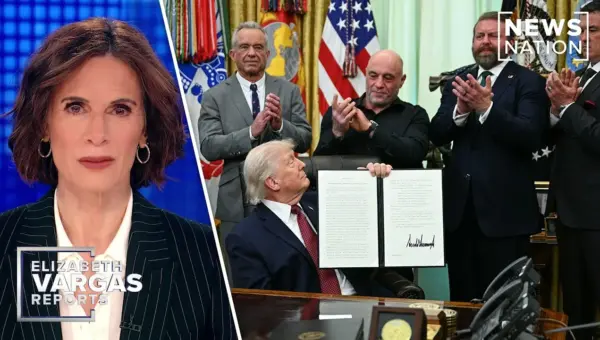
Iran’s Strait of Hormuz Tensions Flare Amid Peace Talks
Tensions between the US and Iran escalate in the Strait of Hormuz amidst crucial peace talks in Pakistan. Meanwhile, a US investigation probes the mysterious deaths of national security insiders, and new hope emerges for mental health treatment with expanded psychedelic drug research.


Trump Issues Stark Warning to Iran Amid Nuclear Fears
President Trump has issued a firm deadline to Iran for nuclear deal negotiations, warning of "total devastation" if terms are not met. Meanwhile, the mysterious deaths and disappearances of US scientists are under investigation, raising national security concerns. A controversial election in Michigan also highlights ongoing debates about political discourse and foreign policy.
Iran Smells Fear: Trump’s Iran Strategy Falters
President Trump faces a complex situation with Iran, marked by shifting strategies and mixed messages. Meanwhile, California's Democratic party struggles to find a gubernatorial candidate, with Republicans leading the polls. Experts debate Iran's intentions and the U.S.'s best path forward, emphasizing strength and consistency.