Florida SNAP Limits New Food Restrictions Take Effect
Florida has implemented new restrictions on what can be purchased with SNAP benefits, banning items like sugary drinks, candy, and ultra-processed desserts. The state aims to promote healthier food choices among low-income residents, joining at least 19 other states with similar policies. While some support the initiative, others question the restrictions on recipient choices.

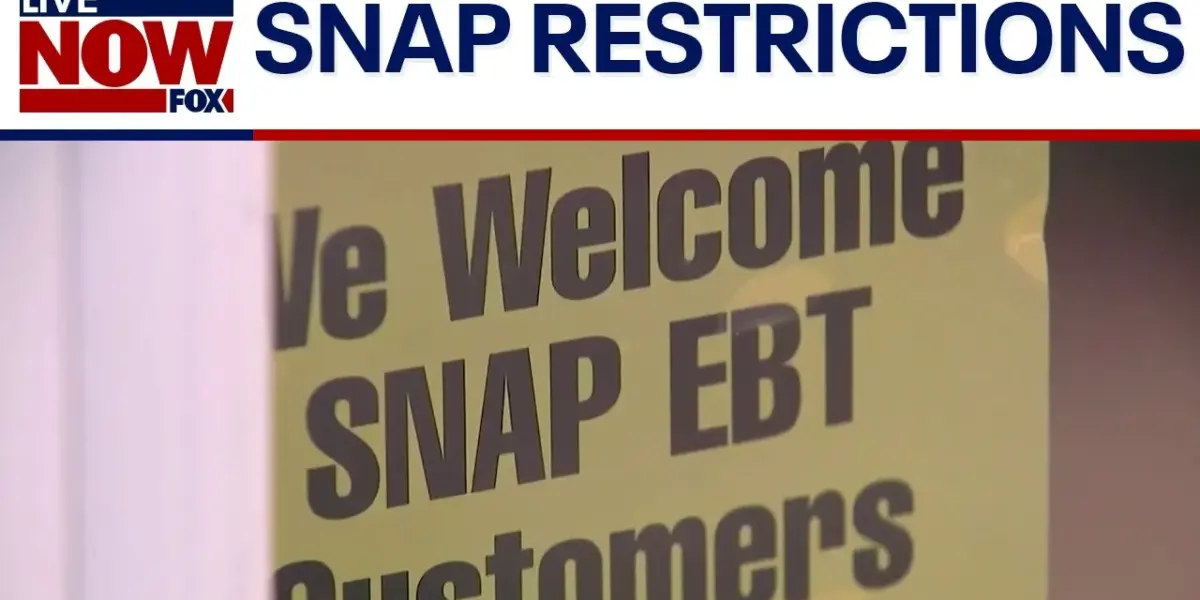
Florida Implements New SNAP Restrictions
Starting today, Florida residents using Supplemental Nutrition Assistance Program (SNAP) benefits face new restrictions on what food items they can purchase. These changes, part of the state’s ‘Make America Healthy Again’ initiative, aim to steer low-income families toward more nutritious food options. Florida joins at least 19 other states that have put similar limitations in place, reflecting a national trend toward promoting healthier eating habits among vulnerable populations.
What’s No Longer Allowed
The new rules specifically prohibit the purchase of several popular food and drink categories. Sugary beverages like regular and diet sodas, including brands such as Coke, Pepsi, and Canada Dry, are now off-limits.
Energy drinks that contain 65 milligrams or more of caffeine per 8 ounces, such as Monster, Red Bull, and Celsius, are also restricted. Candy and ultra-processed desserts, defined as shelf-stable, ready-to-eat, prepackaged items like Twinkies, Swiss Rolls, and Little Debbie snacks, cannot be bought with SNAP benefits.
What You Can Still Buy
Despite the new limitations, a wide range of food and beverage items remain eligible for purchase with SNAP. Consumers can still buy sports drinks like Gatorade and Powerade, as well as sparkling water brands like LaCroix and Bubbly. Drinks with more than 50% juice or those containing less than 5 grams of added sugar per serving are also permitted.
Coffee, tea, and many common snacks such as granola bars and toaster pastries, including Pop-Tarts, are still allowed. Freshly baked goods from grocery store bakeries, along with staple foods like meat, vegetables, fruits, and grains, continue to be purchasable.
Goals of the Initiative
Florida officials state that the primary goal of these changes is to ensure that low-income households have access to more nutritious foods. They believe this will help combat hunger and reduce malnutrition, aligning SNAP’s purpose with promoting better health outcomes.
The ‘Make America Healthy Again’ initiative seeks to improve dietary choices by limiting access to items considered less healthy. This approach is based on the idea that by restricting certain purchases, individuals will be encouraged to select more nutrient-dense options.
Mixed Reactions from the Community
The implementation of these new SNAP restrictions has drawn mixed reactions from community members. While some agree with the state’s efforts to promote healthier eating, others feel that individuals should have the freedom to choose what they buy with their benefits.
Critics argue that such restrictions can be paternalistic and may not fully account for the diverse needs and preferences of SNAP recipients. The effectiveness of these policies in truly improving long-term health outcomes is a subject of ongoing debate among nutrition experts and policymakers.
Broader Context: A National Trend
Florida is not alone in enacting these types of restrictions on SNAP purchases. At least 19 other states across the U.S. have implemented or are in the process of implementing similar policies. These state-level initiatives reflect a growing national conversation about the role of government assistance programs in promoting public health.
Examples include bans on purchasing items like soda, candy, or even specific types of seafood. As more states consider or adopt these measures, the impact on national food consumption patterns among low-income populations will become clearer.
Looking Ahead
As these new rules take effect on day one, the state will be monitoring their implementation and impact. Grocery stores are adapting to the changes, and shoppers are adjusting their purchasing habits.
Future updates will likely focus on how effectively these restrictions are being enforced, any unintended consequences, and whether they lead to measurable improvements in the nutritional intake of SNAP beneficiaries. The state plans to track these developments and provide further information on the progression of the ‘Make America Healthy Again’ initiative.
Source: Changes to FL SNAP benefits go into effect (YouTube)

Related Articles


Boost Gum Health: Combat Recession with Vitamin C
Discover how vitamin C deficiency and sugar intake can impact gum health, leading to recession. Learn how to boost your intake of vitamin C-rich foods and choose the right supplements to support strong gums and collagen.


Pilot Dies in Florida Plane Crash, Saves Homes
A pilot died Tuesday when his small plane crashed into a backyard in Wesley Chapel, Florida. Witnesses believe the pilot made a heroic effort to steer the aircraft away from homes in his final moments. The NTSB is investigating the cause of the crash.


SNAP Cuts Hit Millions: States Fear Fines, Not Hunger
Millions of Americans have lost vital food assistance due to a recent bill that penalizes states for ineligible SNAP recipients. States, fearing fines, are cutting off benefits proactively, leaving families struggling to afford food.