Kuwait Detains Journalist for 7 Weeks Amid War Fears
Kuwaiti-American journalist Ahmad Shahabeddin has been detained for seven weeks, facing charges related to national security and spreading false information. Press freedom advocates are urging the U.S. State Department to designate him as wrongfully detained. His case highlights growing global pressures on journalists, particularly amid heightened geopolitical tensions.

Kuwait Detains Journalist for 7 Weeks Amid War Fears
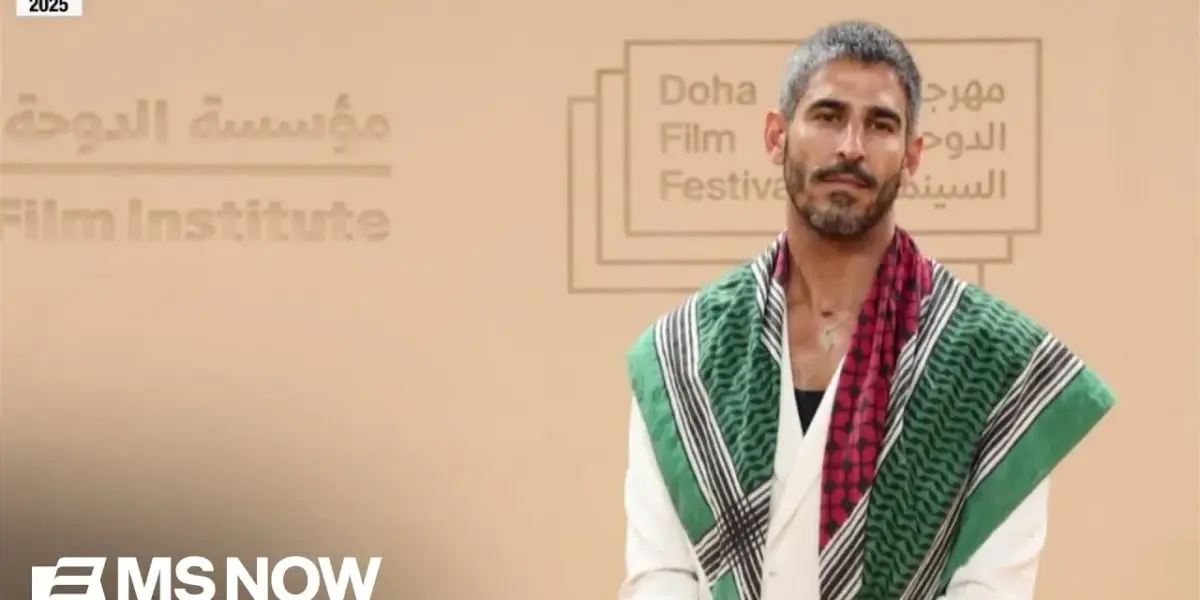
Kuwaiti-American journalist Ahmad Shahabeddin has been detained in Kuwait for seven weeks, raising concerns among press freedom advocates. Shahabeddin, who has contributed to major news outlets like PBS, Al Jazeera, and The New York Times, was arrested on March 3rd during a visit to the country. He reportedly faces charges including spreading false information, harming national security, and misusing his mobile phone.
Prior to his arrest, Shahabeddin had publicly commented on videos and images related to the Iran war. This included sharing a verified video of a U.S. fighter jet crash near a U.S. airbase in Kuwait. His detention comes as Kuwait enacted a new law imposing up to 10 years in prison for disseminating news or spreading false rumors about military entities with the intent to undermine confidence in them.
Concerns for Journalist’s Safety
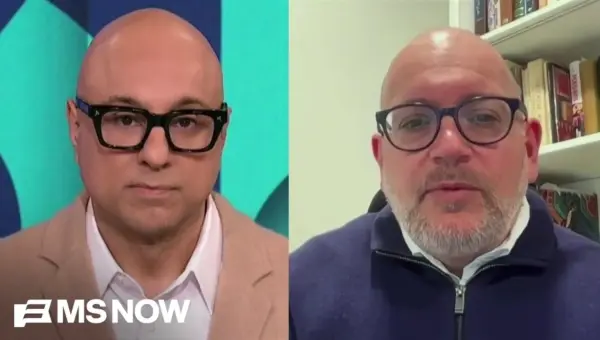
Jody Ginsberg, CEO of the Committee to Protect Journalists (CPJ), expressed deep concern over Shahabeddin’s situation. “Unfortunately, very little news. What we know, what we understand to have happened is, as you say, that he was detained on March the 3rd.
That’s nearly seven weeks ago,” Ginsberg stated during a recent interview. The CPJ has launched a petition demanding Shahabeddin’s immediate release.
Ginsberg highlighted that Shahabeddin’s detention follows an increase in restrictions on freedom of expression in Kuwait and other Gulf countries in response to the Iran war. “Kuwait has introduced a number of restrictions that have severe penalties, up to 10 years in jail and severe fines for people who breached these new laws,” she explained. These laws include vague provisions about undermining the prestige of the military, and the country has faced criticism from bodies like the U.N. Committee Against Torture for alleged malpractice, including the use of torture.
“This hits close to home,” noted a colleague of Shahabeddin, describing him as “a kind, caring and wonderful human being.”
Shahabeddin has not posted online since his detainment, and his social media accounts appear to have been deleted. Friends and colleagues have expressed shock and urged for his release, with one calling the situation “horrific.”
Calls for U.S. Diplomatic Action
The U.S. State Department has acknowledged awareness of the case, stating that the safety and security of Americans is a top priority. However, Shahabeddin has not yet been designated as wrongfully detained under the Levinson Act. This designation allows the U.S. government to pursue a stronger response, including direct negotiations and potential sanctions against the detaining country.
The CPJ strongly urges the State Department to designate Shahabeddin as wrongfully detained, believing he meets the criteria. Such a designation could lead to more robust diplomatic efforts to secure his release and return to the United States. The organization has pushed for this action, emphasizing the importance of supporting U.S. citizens persecuted for exercising their freedom of the press.
Broader Climate for Journalists
Shahabeddin’s case is emblematic of a wider, increasingly dangerous climate for journalists globally. Ginsberg noted that the past few years have seen record numbers of journalists in jail and increased attacks in various locations, including the United States. “Now is the most dangerous time in the world to be of journalists,” she stated.
The conflict in Gaza has been particularly deadly for journalists, with hundreds killed. Beyond active war zones, journalists face smear campaigns by those in power, legal threats, and detention. Ginsberg pointed out that new legislation in the Middle East, and even attempted restrictions in the United States, contribute to this challenging environment.
Press Freedom in the U.S. and Abroad
The U.S. has historically been a strong defender of press freedom, both domestically through the First Amendment and internationally. However, recent years have seen increased challenges. Ginsberg suggested that rhetoric and actions against journalists within the U.S. could embolden similar treatment of reporters in other countries.
“If you have a president who calls journalists enemies of the people, if you have a president that issues lawsuits against the press, receives restrictions on journalists, throws journalists out of the White House press pool, restrictions journalists in the Pentagon, other countries look to that,” Ginsberg explained. She drew a parallel to the case of Evan Gershkovich, a Wall Street Journal reporter detained in Russia, highlighting the U.S. government’s role in advocating for such journalists.
Information Access During Conflict
The current geopolitical climate, particularly concerning the Iran war, significantly impedes the ability to gather accurate information. Countries like Iran have imposed internet blackouts, and Israel maintains strict military censorship. Gulf countries are restricting information related to military actions, making independent reporting extremely difficult.
“Almost inevitably during a war we see countries try to impose restrictions in the name of national security,” Ginsberg said. “And almost always that doesn’t just target genuine national security issues but ends up covering a broad range of issues that are essential for us to understand what’s happening.” The detention of journalists like Shahabeddin, who serves as essential eyes and ears for the public, further limits understanding. The CPJ continues its efforts to support journalists facing such challenges worldwide.
Source: "This hits close to home": Kuwaiti-American journalist STILL detained 7 weeks later (YouTube)

Related Articles

Kuwait Detains Journalist for Sharing Jet Crash Video
Kuwaiti authorities have detained American journalist Ahmed Shihab-Eldin for reposting a video of a U.S. fighter jet crash. This action is part of a wider crackdown on press freedom across Gulf states, with new laws and arrests aimed at controlling information related to the ongoing conflict. Veteran journalist Jason Rezaian warns this trend foreshadows a darker future for press freedom globally.
California Bill Silences Watchdogs Exposing Taxpayer Waste
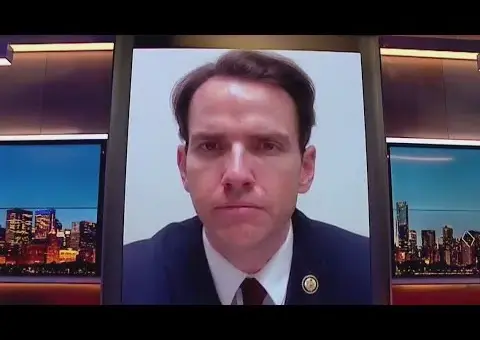
A California bill aims to protect immigrant service providers by restricting online sharing of photos and data. Critics, including Congressman Kevin Kiley, argue the bill, dubbed the "Stop Nick Shirley Act," unfairly targets citizen journalists and shields fraud from public view. The debate centers on balancing privacy with the public's right to know about taxpayer money.
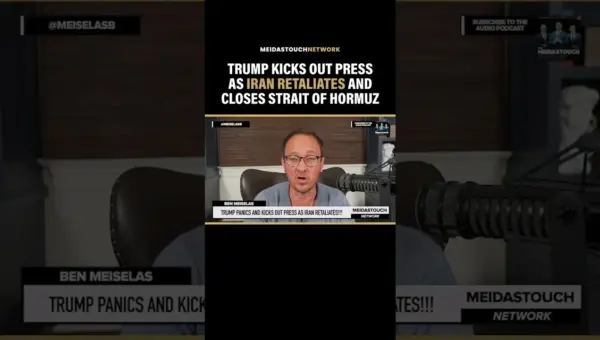
Trump Silences Press Amidst Iran’s Strait of Hormuz Closure
President Trump expelled reporters asking about Iran as the nation closed the Strait of Hormuz, a vital oil shipping route. Iran cited U.S. "bad faith" and threats, denying Trump's claims of negotiation progress. This escalation impacts global energy markets and raises questions about transparency.