Trump Calls Iran Deal Talks; Vance Out, Kushner In
President Trump confirmed that U.S. negotiators Steve Whitlock and Jared Kushner will attend talks in Pakistan, while Vice President JD Vance will not attend due to security concerns. The discussions aim to address Iran's nuclear program and regional stability, with differing reports on the level of trust between negotiators and Iran. Analysts are closely watching the president's communication style and its impact on the delicate diplomatic process.


Trump Confirms Pakistan Talks Amid Shifting Delegation
President Trump announced that U.S. negotiators would head to Pakistan for talks with Iran, but confirmed that Vice President JD Vance would not be part of the delegation. The president cited security reasons for Vance’s absence, stating there might not be enough time for the Secret Service to ensure his safety given the speed required for the negotiations.
This decision comes as the U.S. and Iran continue to discuss terms surrounding nuclear ambitions and regional stability. The talks are set to take place in Islamabad, Pakistan.
Key Negotiators Named, Vance’s Role Questioned
Special U.S. envoys Steve Whitlock and Jared Kushner will represent the United States at the upcoming peace talks in Pakistan. This development follows a direct phone call between President Trump and MS Now reporter Jackie Alammani, during which the president revealed the composition of the negotiating team.
The exclusion of Vice President Vance has raised questions, especially since he played a visible role in previous discussions. Some reports suggest Iranian officials had expressed distrust towards Whitlock and Kushner in earlier rounds of nuclear talks.
Iran’s Nuclear Stance and U.S. Concessions
President Trump stated that Iran has agreed to never possess nuclear weapons, vowing a commitment to this principle “forever.” This claim comes after previous reports indicated the U.S. initially offered a 20-year limit on Iran’s nuclear program, with Iran countering with a three-year proposal. Hardliners in the U.S. have called for an indefinite suspension of Iran’s nuclear activities. When pressed for details on U.S. concessions, President Trump declined to negotiate with the press.
China’s Role in Negotiations and Arms Supply
The involvement of China in the ongoing situation was also a topic of discussion. President Trump mentioned sending a letter to Chinese President Xi, asking Beijing to halt weapons supplies to Iran. While MS Now has not verified reports of China replenishing Iran’s military capabilities, such actions could potentially prolong the conflict.
China has a vested interest in regional stability, as it imports a significant portion of its crude oil through the Strait of Hormuz. The president described China’s behavior as “very well” in this context.
Analysis of President’s Communication Style
Observers noted that President Trump’s tone during his call with Jackie Alammani was less blustery than usual, even while discussing positive developments. This contrasts with some of his recent social media posts, which have included more aggressive rhetoric.
Some analysts suggest the president employs a strategy of appearing unstable to pressure Iran into negotiations. However, this approach leads to confusion about his true intentions and the messages he intends to send to different audiences.
Conflicting Reports on Vance’s Attendance
Confusion emerged regarding Vice President Vance’s participation, with conflicting statements from different administration officials. While President Trump told MS Now that Vance would not attend due to security concerns, other senior U.S. officials reportedly informed MS Now that Vance was, in fact, leading the American delegation. This inconsistency highlights potential coordination issues within the administration during high-stakes diplomatic moments.
Expert Views on Negotiation Dynamics
Seth Jones, President of the Defense and Security Department at the Center for Strategic and International Studies, indicated that negotiations are likely to proceed, citing logistical preparations in Pakistan. He suggested that a military option may not be currently viable for finding a solution. Vera Burken, a national security reporter for The Wall Street Journal, noted that President Trump’s public statements often vary depending on the intended audience, ranging from maximalist threats to messages aimed at domestic or market audiences.
Iran’s Capabilities and Standoff in Strait of Hormuz
Regarding the Strait of Hormuz, both sides have made claims about closing the waterway. Seth Jones stated that Iran still possesses significant capabilities, including attack drones and missile launchers, to strike vessels.
He described the situation as posturing but acknowledged Iran’s continued leverage. The core issues of sanctions removal and ending regional conflict remain significant hurdles, making a swift resolution unlikely.
Behind the Bravado: White House Concerns
A report in The Wall Street Journal suggested that White House officials are concerned about President Trump’s public communication strategy. They reportedly urged him to limit interviews, believing his contradictory messages could undermine public confidence.
The report also detailed an incident where aides shielded the president from updates on a downed fighter jet, fearing his impatience would be unhelpful. These accounts suggest underlying anxieties within the administration about the potential fallout of the conflict, especially in a midterm election year.
Challenges to a Diplomatic Resolution
Experts believe a comprehensive deal may not be imminent due to disagreements over sanctions and regional conflicts, particularly concerning Lebanon. While Iran’s economy is under strain, incentivizing a resolution, it is unlikely to achieve all its demands.
The trust deficit between Iran and U.S. negotiators like Steve Whitlock remains a significant challenge. The ongoing threats from President Trump, while perhaps intended to pressure Iran, may be filtered out by Iranian negotiators who have heard similar rhetoric before.
Next Steps in the Iran Conflict
With diplomatic talks scheduled, the possibility of a renewed ceasefire or limited military action remains. The U.S. has positioned military assets in the region, but the continuation of negotiations is also a strong possibility. The effectiveness of the current U.S. negotiating team, without Vice President Vance, and the impact of President Trump’s communication style on these crucial discussions will be closely watched in the coming days.
Source: MS NOW Highlights – April 19 (YouTube)

Related Articles
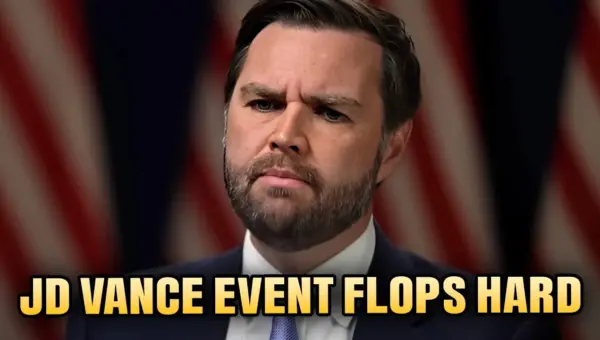
Turning Point USA’s Vance Event Flop Sparks Wild Excuses
Reports indicate a recent Turning Point USA event featuring JD Vance at the University of Georgia drew significantly fewer attendees than expected. The organization's spokesperson offered a controversial explanation involving counterprotests and ticket manipulation.
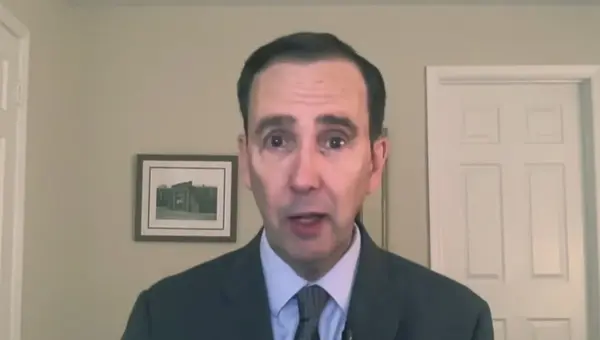
Iran Nuclear Material: US Faces Tough Extraction Amid Tensions
Tensions between the U.S. and Iran are escalating, making nuclear negotiations more difficult. The U.S. faces challenges in accessing and removing Iran's enriched uranium, a key component for nuclear weapons. Past negotiations show Iran's diplomats are professional, but their cooperation is vital for any agreement.
Vance Tells Pope to ‘Tread Carefully’ on Theology
Senator JD Vance has faced criticism for telling Pope Francis to "tread carefully" on theological matters, a move many find audacious given the Pope's position. The comments highlight the complex intersection of religion and politics, with historical parallels and modern tribal dynamics influencing public discourse.