California Bill Silences Watchdogs Exposing Taxpayer Waste
A California bill aims to protect immigrant service providers by restricting online sharing of photos and data. Critics, including Congressman Kevin Kiley, argue the bill, dubbed the "Stop Nick Shirley Act," unfairly targets citizen journalists and shields fraud from public view. The debate centers on balancing privacy with the public's right to know about taxpayer money.

California Bill Silences Watchdogs Exposing Taxpayer Waste
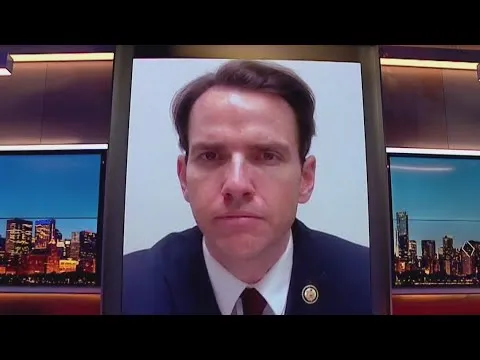
A new bill in California is causing a stir, with critics arguing it could silence citizen journalists and shield fraud from public view. Supporters say the bill protects vulnerable communities from harassment. However, Congressman Kevin Kiley believes the legislation is a direct threat to press freedom, particularly for independent reporters exposing how taxpayer money is being spent.
Citizen Journalists Shine Light on Fraud
Reporters like Nick Shirley use online platforms to investigate and expose potential fraud in government programs. Shirley’s videos, which have reached millions, highlight investigations into stolen funds across the United States. These investigations cover areas like childcare, Medicaid, pandemic relief, and food aid programs, uncovering billions in potential misuse.
Federal investigators are actively probing these issues. In Minnesota, billions of dollars are being examined for misuse.
Meanwhile, New York authorities have already moved to block hundreds of millions in fraudulent schemes tied to taxpayer-funded programs. Now, Shirley is turning his attention to California, where he faces legislative pushback.
The “Stop Nick Shirley Act” Controversy
The bill, dubbed by some as the “Stop Nick Shirley Act,” aims to increase privacy for immigrant service providers. It would make it illegal to share photos or personal data of a provider online. Supporters of the bill argue it is necessary to prevent harassment and threats against these individuals.
However, critics like Congressman Kiley see it differently. They argue the bill goes too far, potentially shielding those who commit fraud from public scrutiny. Kiley states that the bill turns someone into a criminal for simply posting photos online, even if the photos are of a taxpayer-funded institution taken in public view.
A Threat to Press Freedom?
Congressman Kiley asserts that the bill is an absolute threat to press freedom, especially for citizen journalists who have proven effective at uncovering waste. He believes the politicians in Sacramento are trying to prevent a repeat of situations like the fraud exposed in Minnesota. Kiley finds it telling that the bill aims to stop those exposing fraud rather than stopping the fraud itself.
The debate often centers on intent. Some lawmakers claim the bill targets harassment, not journalism.
Kiley acknowledges the importance of protecting populations from genuine harassment, which he notes is already illegal and not protected by the First Amendment. He argues there is no need for a new law to address harassment.
Kiley believes the chilling effect of such a law on First Amendment freedoms, specifically freedom of the press, would be severe.
Fighting Fraud and Demanding Accountability
Kiley emphasizes that everyone should agree on the need to stop fraud. Billions of tax dollars are being misused instead of funding healthcare, schools, or roads. He believes uncovering these schemes should be encouraged, not hindered.
He suggests that some California lawmakers may fear the public’s reaction when the true extent of fraud and waste becomes known. This fear, he believes, stems from the potential for demands for accountability and questions about why political leaders allowed it to happen. Kiley has a history of advocating for accountability, having previously proposed an audit of spending on the homeless population in California.
Past Failures in Oversight
That audit eventually found that $24 million was spent without any tracking. Kiley also points to other instances of significant fraud, including $32 billion in unemployment benefits and fraud within community college programs. A recent Los Angeles Times story highlighted how the state ignored warning signs regarding massive hospice fraud.
Kiley concludes that current policies have led to negative consequences. He believes lawmakers are trying to shield themselves from these outcomes. Instead of creating laws that could silence watchdogs, he suggests focusing on better oversight and accountability measures.
Why This Matters
This situation highlights a critical tension between protecting vulnerable populations and ensuring transparency in government spending. Citizen journalists play an increasingly vital role in holding institutions accountable, especially when traditional media or government oversight falls short. Bills like this one, even if well-intentioned, can have unintended consequences that undermine public trust and hinder efforts to combat fraud.
Implications and Future Outlook
If passed, this bill could set a precedent for other states looking to control negative publicity surrounding government programs. It raises questions about the balance of power between elected officials and those who monitor their actions. The future may see more efforts to regulate online speech related to government services, requiring careful consideration of First Amendment rights.
Historical Context
The role of the press, including citizen journalists, in a democracy is to inform the public and act as a check on power. Throughout history, journalists have faced challenges and attempts to silence them. This current debate in California echoes past struggles to protect free speech and the public’s right to know, particularly concerning the use of taxpayer funds.
The fight against government waste and fraud is ongoing. The effectiveness of citizen journalists in bringing these issues to light is undeniable. The outcome of this California bill could influence how such efforts are treated in the future, impacting transparency for years to come.
Source: California bill an attack on citizen journalists: Rep. Kiley | NewsNation Prime (YouTube)

Related Articles
Trump Silences Press Amidst Iran’s Strait of Hormuz Closure
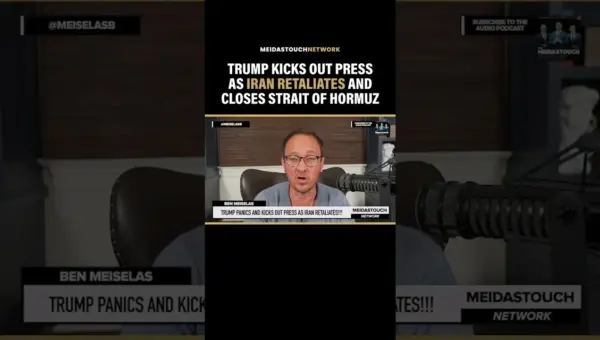
President Trump expelled reporters asking about Iran as the nation closed the Strait of Hormuz, a vital oil shipping route. Iran cited U.S. "bad faith" and threats, denying Trump's claims of negotiation progress. This escalation impacts global energy markets and raises questions about transparency.
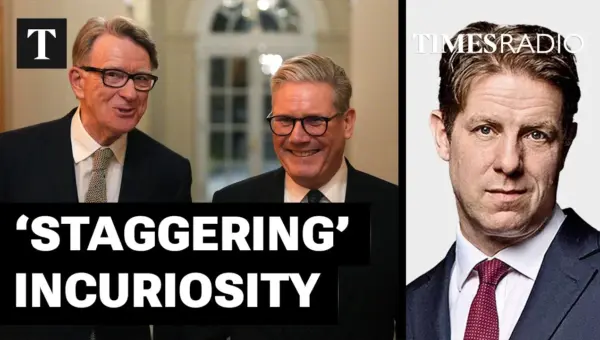
Starmer Criticized: “Spectator In His Own Governmental Machine”
Prime Minister Keir Starmer is being criticized as a "spectator" in his own government amidst the Peter Mandelson scandal. Analysis suggests a pattern of "plausible deniability" and a lack of deep engagement with unfolding events, drawing parallels to the sitcom "Yes Minister."
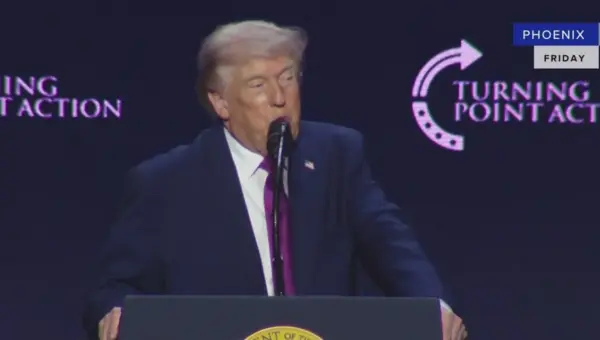
Trump Promises UFO Documents Soon: What’s Behind the Buzz?
Former President Donald Trump announced that the Pentagon will soon release "very interesting documents" about UFOs. This follows his previous directive for transparency on extraterrestrial and aerial phenomena, aligning with growing calls for openness from lawmakers.