Trump Silences Press Amidst Iran’s Strait of Hormuz Closure
President Trump expelled reporters asking about Iran as the nation closed the Strait of Hormuz, a vital oil shipping route. Iran cited U.S. "bad faith" and threats, denying Trump's claims of negotiation progress. This escalation impacts global energy markets and raises questions about transparency.

Trump Silences Press Amidst Iran’s Strait of Hormuz Closure
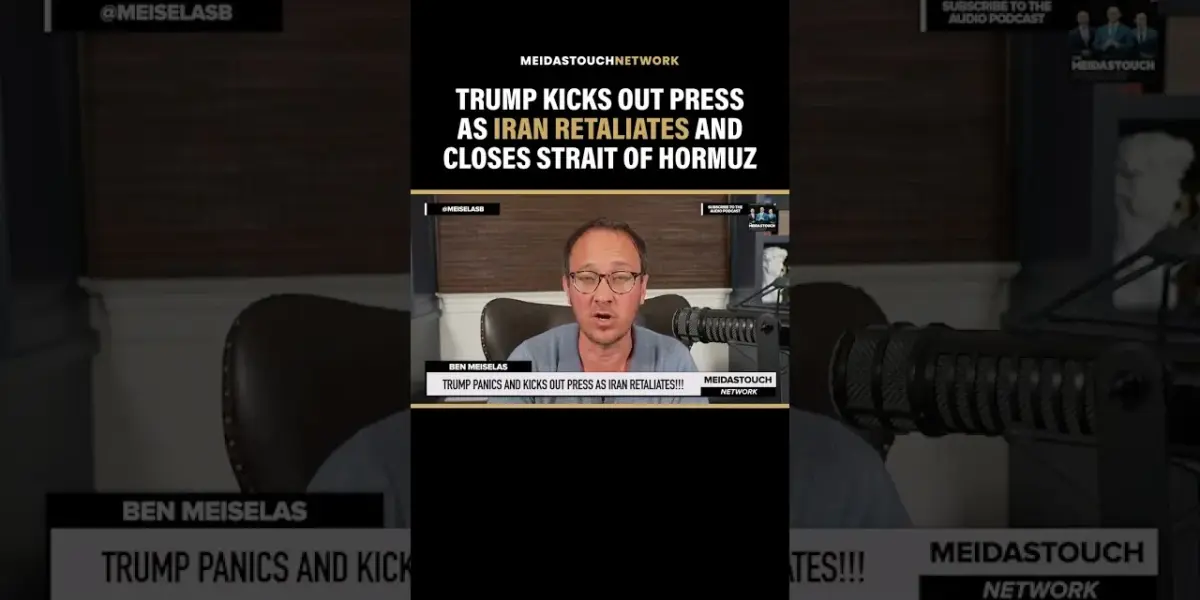
During a recent Saturday press conference in the Oval Office, President Donald Trump abruptly removed members of the press. This action occurred as reporters began questioning him about escalating tensions with Iran. The timing of this event coincided with Iran’s announcement that it had fully closed the Strait of Hormuz once again.
Iran stated that negotiations with the United States were no longer possible. They cited the Trump administration’s alleged bad-faith negotiation tactics and misrepresentations of Iran’s positions.
Iran also pointed to the continued blockade of the Persian Gulf and ongoing threats from the U.S. as reasons for this decision. Previously, Iran had allowed some ships to pass through the strait if they were coordinated with Iranian authorities.
However, this coordination is now suspended. Ship tracking data showed vessels leaving the Strait of Hormuz suddenly turning back.
Reports also indicated that Iran fired upon some ships that did not immediately comply with their orders to return. Ultimately, Iran forced all departing ships to reverse course, effectively sealing the Strait of Hormuz.
Iran’s Stance on Negotiations and Conflict
Iranian leadership has also declared no current intention to meet with the United States before a ceasefire deadline expires on Wednesday. Iran stated it is fully prepared to re-engage in conflict with the U.S. if President Trump does not agree to negotiate within Iran’s previously accepted 10-point framework. This framework was reportedly agreed upon by President Trump at an earlier time.
The press conference incident captured the moment President Trump asked the press to leave the Oval Office. This happened immediately after reporters asked him about Iran.
They were questioning his claims that Iran had agreed to significant concessions. These included joint military operations with the U.S. to secure nuclear material and ceasing funding for groups like Hezbollah and the Houthis.
Iran has denied these claims, calling them 100% false. They also refuted President Trump’s statements that the Strait of Hormuz would be fully open without Iranian control. The reporters wanted to ask clarifying questions about these discrepancies after seemingly repeating his Friday statements without challenge.
Historical Context and Geopolitical Significance
The Strait of Hormuz is a critical chokepoint for global oil supplies. It connects the Persian Gulf to the open ocean.
About 30% of the world’s seaborne oil trade passes through this narrow waterway. Any disruption here can have immediate and significant impacts on global energy markets, causing prices to rise worldwide.
Control over this strait has been a point of contention for decades. Both Iran and the United States have a vested interest in its security and accessibility.
Iran has previously threatened to close the strait during times of heightened tension with the West. This action is a powerful leverage point in international diplomacy and a show of force.
The current situation echoes past standoffs where Iran has used the strait as a bargaining chip. Past administrations have also faced similar challenges in navigating diplomatic channels with Iran. The complex history of U.S.-Iran relations, marked by periods of intense hostility and cautious engagement, informs the current dynamic.
Why This Matters
The closure of the Strait of Hormuz directly impacts global energy security. It can lead to higher fuel prices for consumers and businesses around the world. This also creates uncertainty in international trade routes, affecting shipping companies and economies reliant on stable maritime transport.
The president’s interaction with the press raises questions about transparency and accountability in foreign policy. Silencing critical questions, especially during a sensitive international crisis, can be seen as an attempt to control the narrative. This limits public understanding of complex geopolitical events and the decisions being made.
The breakdown in diplomatic talks and the potential for renewed conflict are serious concerns. The ability of nations to communicate and negotiate, even with adversaries, is crucial for maintaining peace and stability. The refusal to engage within established frameworks signals a dangerous escalation.
Trends and Future Outlook
This event highlights a growing trend of assertive actions by nations seeking to assert their sovereignty and influence through strategic geographic locations. The Strait of Hormuz is a prime example of such a location, where a small body of water holds immense global power.
The future outlook depends heavily on diplomatic efforts and de-escalation. If negotiations fail and tensions continue to rise, there is a risk of further military confrontation.
This could have devastating consequences for the region and the global economy. The upcoming ceasefire deadline on Wednesday will be a critical indicator.
Looking ahead, the international community faces the challenge of finding a path toward de-escalation. This will likely involve a combination of diplomatic pressure, sanctions, and potentially direct negotiations. The role of international bodies in facilitating dialogue will be crucial in preventing a wider conflict.
Source: Trump KICKS OUT PRESS as IRAN RETALIATES (YouTube)

Related Articles
Ex-Jan 6 Investigator Slams DOJ Over Trump Cases
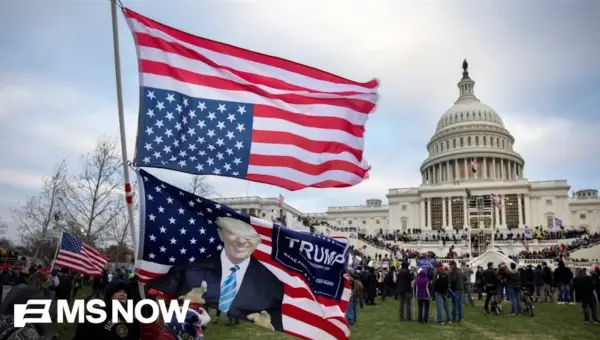
Former lead January 6 investigator Timothy Haifey calls the DOJ's potential move to drop charges against some offenders 'outrageous.' He argues this creates a two-tiered justice system, rewarding Trump supporters while punishing opponents. Haifey also questions the DOJ's investigation into Cassidy Hutchinson, viewing it as retribution.
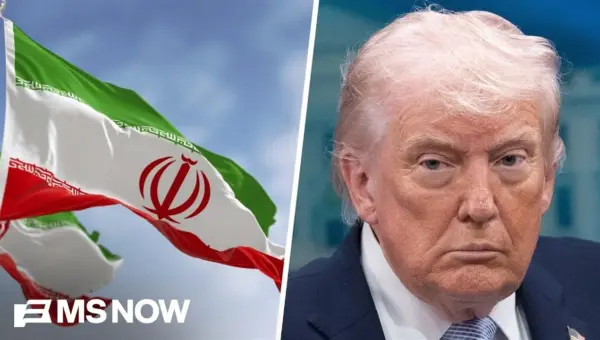
Iran Nuclear Deal Talks Stall Amid Strait of Hormuz Tensions
Tensions are high over the Strait of Hormuz as conflicting reports emerge regarding Iran's nuclear program and potential peace talks. Despite claims of openness, Iran fired on a tanker, while the U.S. maintains sanctions. Experts are skeptical of a breakthrough, citing Iran's firm stance on enrichment and its regional influence.

US Military Prepares to Board Iran-Linked Ships
The U.S. military is preparing to board Iran-linked ships in international waters as part of a new strategy called 'Economic Fury.' This move aims to cut off funding for the Iranian regime and could lead to the seizure of oil tankers. Experts warn this escalates the conflict, driven by 'zero-sum' demands from both sides.