Iran’s AI-Powered ‘Slopaganda’ War Targets Americans Online
Iran is employing advanced AI to create and spread 'slopaganda,' using internet culture to influence American views on global conflicts. This digital strategy bypasses traditional media, reaching younger audiences directly through memes and fake videos. Experts warn that this approach exploits information gaps and highlights a need for better U.S. online communication strategies.

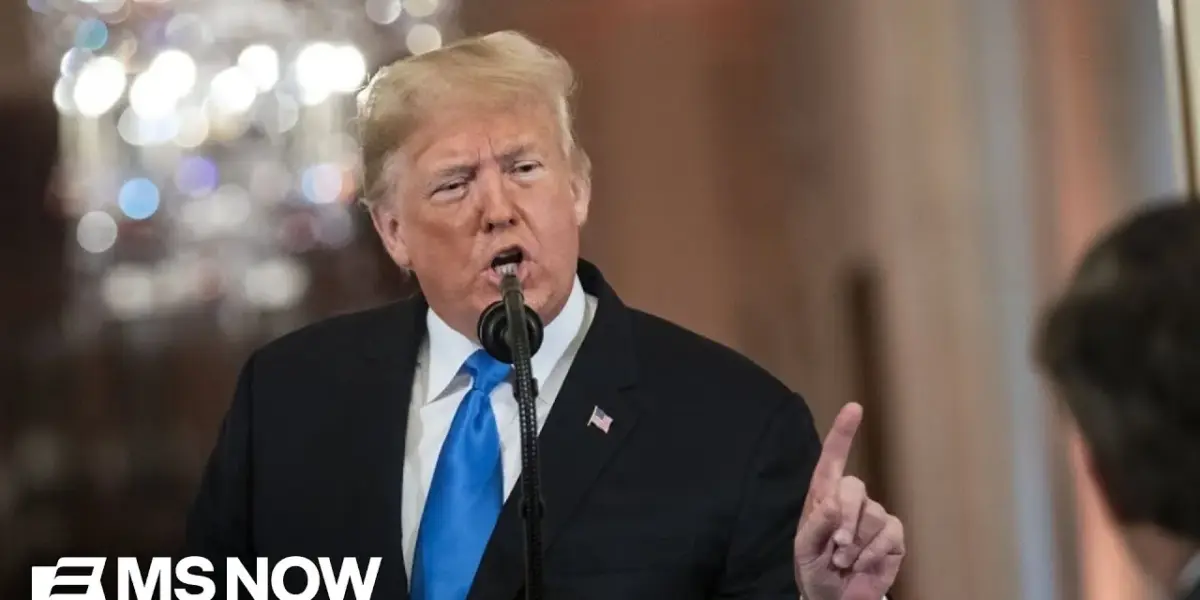
Iran Masters AI for Online War
In a new kind of information war, Iran is using advanced Artificial Intelligence (AI) to create and spread online content, often called ‘slopaganda.’ This content aims to influence American views on global conflicts. The material is designed to look like popular internet culture, using memes and fake videos that resonate with younger audiences. Iranian media groups are fluent in pop culture and use cutting-edge AI tools to flood American social media platforms with this material.
This strategy is part of a larger information war waged by Iran and its allies. The content often highlights anti-Semitic themes and alleged atrocities, pushing a specific viewpoint.
Experts suggest this approach is highly effective because it speaks directly to a generation that consumes news online. This tactic allows Iran to shape how people, especially younger Americans, see and understand global events.
Evolution of War Communication
Throughout history, how people learn about wars has dramatically changed. In 1914, Americans read about the assassination that sparked World War I on the front page of newspapers.
By World War II, radio became a key source, bringing voices like Winston Churchill into homes. The Vietnam War brought television into living rooms, showing unfiltered images of conflict, like a Viet Cong prisoner being filmed.
The early 2000s saw the rise of blogging, with the ‘Baghdad Blogger’ offering firsthand accounts from Iraq. Later, social media platforms like Facebook played a role in organizing events like the Arab Spring revolutions. Most recently, during the Ukraine war, President Zelensky used short, impactful videos recorded on his phone, reaching millions quickly.
‘Slopaganda’ Exploits Information Gaps
This current conflict is different because it involves AI-generated content known as ‘slopaganda.’ Critics argue that the current U.S. administration has not been transparent about wartime information. They claim the administration has gone to war without fully explaining its case to the public or Congress. This lack of clear information creates an opening for other groups to fill the void.
Iranian-aligned media groups are skilled at using popular culture and the best open-source AI tools. They deliberately flood American platforms with fake images and memes.
These efforts are often promoted by Iranian foreign embassies and consulates, aiming to sway public opinion. The effectiveness of this strategy lies in its ability to blend into the online environment, making it hard to distinguish from authentic content.
AI as a New Battlefield
The use of AI in this information war is a significant development. While the U.S. may use AI for military targeting, Iran is using it to communicate and influence people globally.
The content, like a recent AI-generated video depicting a fake Jesus figure, is crafted to look like internet memes and jokes. This content is made in American language and draws on elements of American culture, including hip-hop.
This deep understanding of American culture gives Iran an advantage. They can create content that resonates with American audiences in ways that U.S. messaging might not.
This allows them to reach people who might not be following traditional news sources but are active online. The material is seen on phones during daily commutes or between classes, shaping views on global events.
Misunderstanding the Digital Front
There is a concern that the U.S. administration, and the country as a whole, may not fully grasp how effective this online propaganda is. The U.S. approach to AI is often described as having a ‘love-hate relationship.’ While some government agencies attempt to ban certain AI uses, others are actively employing advanced AI models.
The ability of platforms like Truth Social and others to allow users to engage with various narratives, whether accurate or not, is changing the game. American narratives about wars can no longer be the only story told. This new digital battleground requires a different approach to communication and information sharing.
Looking Ahead
The effectiveness of Iran’s AI-powered ‘slopaganda’ highlights a growing challenge in the modern information age. As AI technology advances, the lines between real and fake content will continue to blur. Future conflicts will likely involve sophisticated online information campaigns that demand new strategies for transparency and public understanding.
The U.S. government and media must adapt to this evolving digital landscape. Understanding and countering these sophisticated online influence operations will be crucial. The ability to communicate truth and build trust in a time of AI-generated content will be a defining factor in future geopolitical narratives.
Source: The Slopaganda war: Lego videos versus Truth Social posts (YouTube)

Related Articles


Trump’s Iran Threats Spark GOP Concern, War Powers Debate
A U.S. Navy destroyer fired on an Iranian cargo ship amid heightened tensions, just hours after President Trump issued a stark warning to Iran. The incident and Trump's aggressive rhetoric have fueled growing concern in Congress, with some Republicans signaling a willingness to curb the president's war powers. Congressman Seth Moulton criticized Trump's threats as 'unhinged' and discussed broader issues of trust in government.
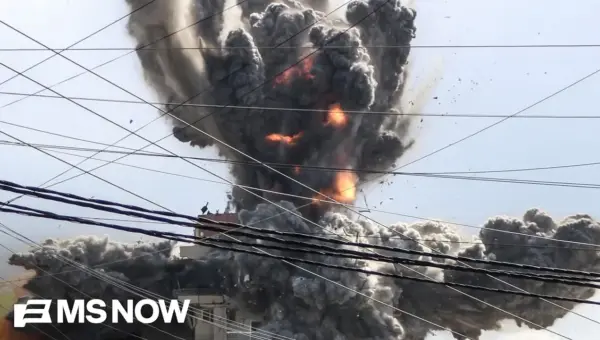
Iran’s Iran’s Strait of Hormuz Control Risks Global Power Shift
Professor Robert Pape warns that Iran's control over the Strait of Hormuz could lead to a major global power shift, potentially making Iran the fourth major world power. He argues that current U.S. policy is a "colossal strategic mistake" that is inadvertently strengthening Iran and destabilizing the global economy.
US Seizes Iranian Ship in Strait of Hormuz Tensions
The US Navy has seized the Iranian cargo ship Tusca in the Strait of Hormuz, escalating tensions with Tehran. The action, part of a US counter-blockade, aims to influence ongoing peace negotiations. Analysts suggest the move is strategically significant but carries high risks, potentially impacting global trade and forcing international intervention.