Trump’s Iran Talk Sparks Alarm Over War and Economy
Former President Trump's recent interview statements about the Iran conflict and the economy have drawn significant attention. His claims of the war being over contrast with troop deployments, while his predictions on oil prices and the impact on fertilizer costs raise economic alarms.

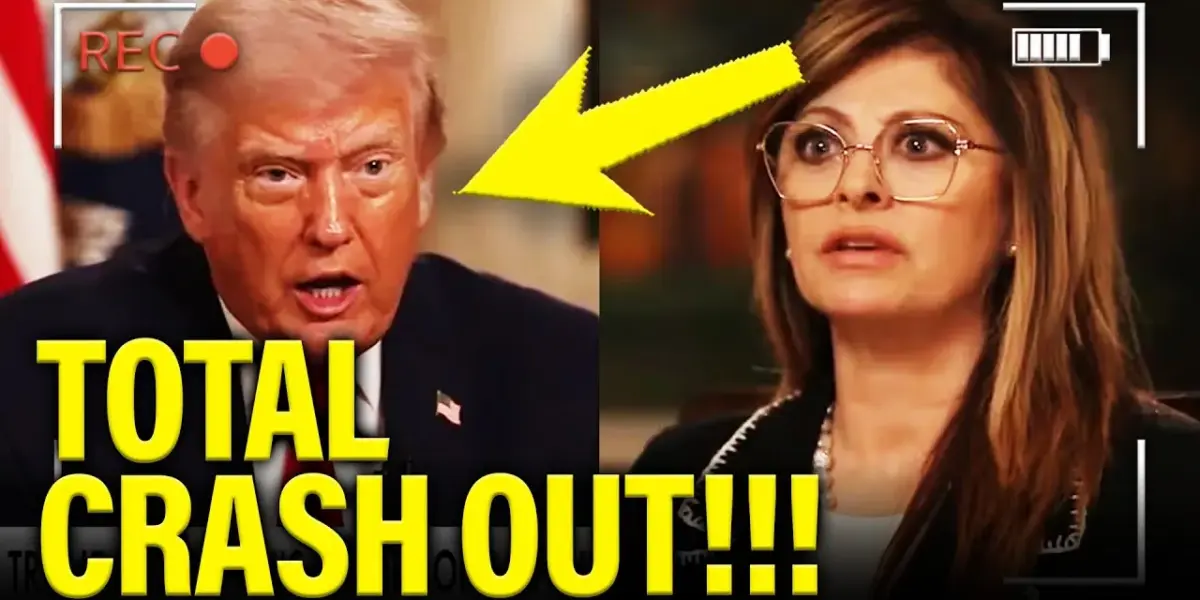
Trump’s Iran Claims Raise Eyebrows Amidst Troop Buildup
During a recent interview, former President Trump made several striking statements about the ongoing situation with Iran. He declared the conflict was “over” or “very close to over.” Yet, this assertion sharply contrasts with the deployment of 10,000 U.S. troops to the Middle East. This military movement suggests a significant escalation, not a de-escalation, of tensions.
Trump also claimed that if he “pulled up stakes right now,” it would take Iran 20 years to rebuild. He suggested Iran wants to make a deal very badly.
These comments were made as reports surfaced about the U.S. Navy establishing a blockade on Iranian ports and coastal areas. An Iranian ship reportedly attempted to evade U.S. forces, leading to a naval response.
Economic Worries Grow as Conflict Looms
The interview touched upon economic concerns, particularly the price of oil and gas. When asked if prices would fall before the midterm elections, Trump expressed hope but also suggested they might stay the same or rise slightly. This admission surprised some observers, especially given the existing price increases attributed to the conflict with Iran.
The potential for rising oil prices directly impacts daily life for many Americans. Commuting to work, especially in areas like Los Angeles where driving is common, could become more expensive. This is particularly concerning for those earning minimum wage, where higher gas prices eat into already tight budgets.
Fertilizer Prices Soar, Threatening Food Supply
Beyond gas prices, the conflict has had a significant effect on fertilizer costs. Prices have jumped between 30% and 47% since late February. This rise directly affects farmers, who rely on fertilizer to grow crops.
Economists now predict potential food shortages as a result. Around 70% of U.S. farmers may struggle to afford necessary supplies. This situation is dire not only for farmers, whose businesses are at risk, but also for consumers who will face higher food prices due to decreased supply.
California, a major agricultural state and the world’s largest producer of almonds, plays a key role in global food exports. Disruptions in U.S. agriculture can therefore have worldwide consequences, affecting basic necessities for people across the globe.
Trump’s ‘Screaming at Iranians’ Remark Sparks Controversy
A particularly unusual moment in the interview occurred when Trump explained his hoarse voice by saying he had been “screaming at Iranians all day.” This statement led to confusion and speculation among political commentators.
Some questioned the nature of these calls. If direct presidential-level diplomacy was occurring, it would be major news. Others suggested it might be a sign of Trump’s detachment from reality, believing he was communicating when no such dialogue was happening.
This unusual remark, coupled with his conflicting statements about the war’s status and the economy, has fueled calls for a review of his fitness for office. Some lawmakers have proposed a bipartisan commission to consider the 25th Amendment, which addresses presidential disability. These actions highlight growing concerns about his conduct and decision-making in a position of power.
Why This Matters
The statements made by former President Trump in the Fox interview highlight a concerning disconnect between his rhetoric and the reality on the ground. His claims of a resolved conflict in Iran clash directly with the visible military buildup in the region. This discrepancy can create public confusion and undermine trust in official communications.
The economic implications are significant. Rising oil and fertilizer prices, directly or indirectly linked to geopolitical tensions, have tangible effects on household budgets and the global food supply chain. The administration’s handling of such issues, and the transparency surrounding them, is crucial for economic stability.
Looking Ahead
The situation with Iran remains complex, with military and diplomatic efforts continuing. The upcoming midterm elections will likely see economic issues, including inflation and the cost of living, play a central role in voter concerns.
The ongoing debate about presidential fitness and the use of the 25th Amendment highlights the importance of clear, consistent, and reality-based leadership. Future communications from political leaders regarding foreign policy and economic matters will be scrutinized closely for accuracy and their potential impact on national and global stability.
The next steps in U.S.-Iran relations, along with the economic fallout from current global events, will continue to unfold in the coming months.
Source: Trump CRASHES OUT in DISASTER Fox interview (YouTube)

Related Articles


Trump Faces Legal Battle Over Presidential Records
A legal fight is underway to preserve presidential records, with organizations suing Donald Trump to ensure compliance with the Presidential Records Act. Concerns about potential destruction have led to a motion for a preliminary injunction, seeking to prevent any loss of historical documents.
Trump’s Revenge Plot Backfires, Threatens Fed Pick
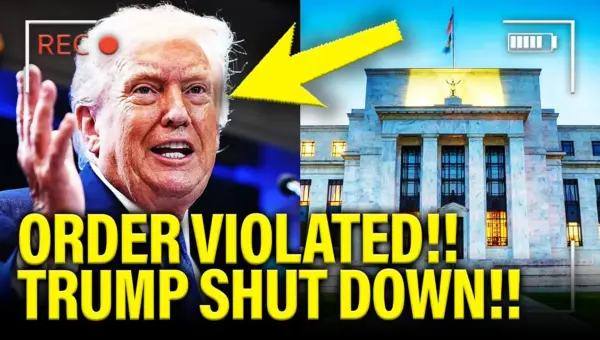
Donald Trump's continued pursuit of a defunct criminal probe against Fed Chair Jay Powell is backfiring, jeopardizing his own nominee for Fed chair. Senator Tom Tillis has vowed to block the confirmation until the baseless investigation is resolved, creating a significant hurdle for Trump's agenda. This situation underscores concerns about political interference in independent institutions.

US Takes Tough Stance on Iran, Shifts Global Aid Focus
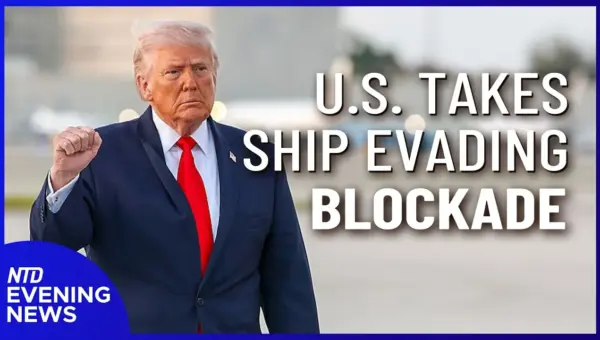
The U.S. has seized an Iranian cargo ship and is preparing for new peace talks with Iran, signaling a tougher stance. Simultaneously, the Trump administration is promoting a "trade over aid" initiative, shifting global economic policy. The broadcast also covered a tragic shooting in Louisiana and a debate over city-run grocery stores in New York City.