Trump Faces Legal Battle Over Presidential Records
A legal fight is underway to preserve presidential records, with organizations suing Donald Trump to ensure compliance with the Presidential Records Act. Concerns about potential destruction have led to a motion for a preliminary injunction, seeking to prevent any loss of historical documents.

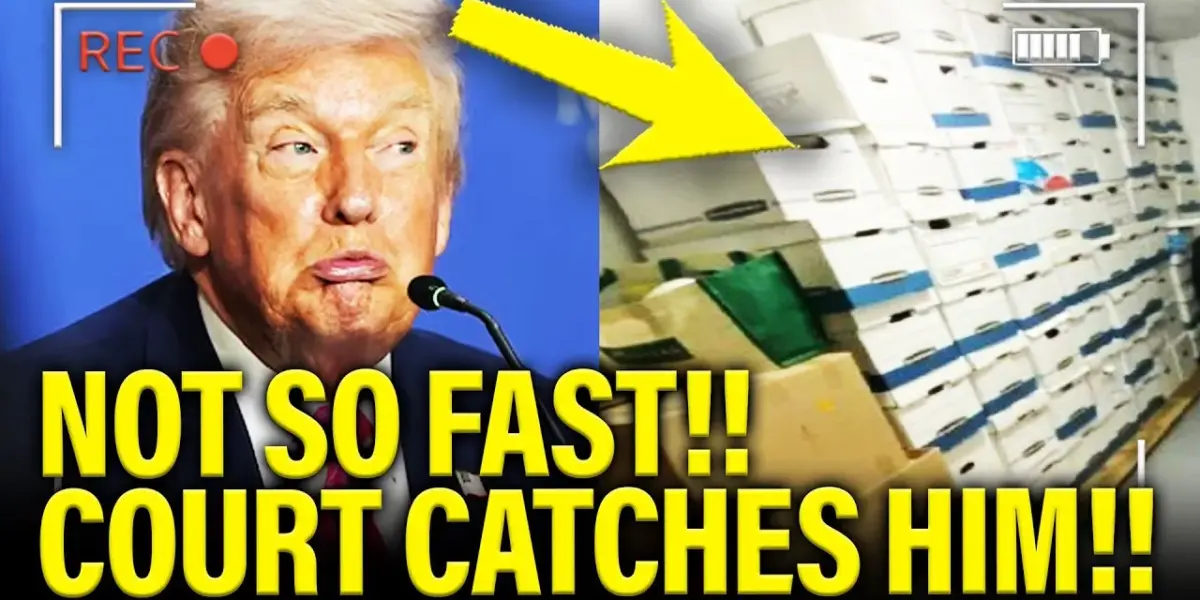
Trump Faces Legal Battle Over Presidential Records
A new legal challenge is unfolding as organizations like the American Historical Association and American Oversight have filed a lawsuit against Donald Trump. They are asking a federal judge to ensure that presidential and vice-presidential records are preserved. This action comes after concerns arose that these important documents might be destroyed.
The case has been assigned to Judge Barl Howell, who has previous experience with cases involving Donald Trump. She has ordered a response to the motion for a preliminary injunction, asking whether Trump will follow the Presidential Records Act or potentially destroy the nation’s historical archives. The judge wants a briefing schedule by the end of the week, indicating a desire to move quickly on this serious matter.
The Presidential Records Act Explained
The Presidential Records Act of 1977 requires that official records of a president and vice president be preserved and turned over to the National Archives. This law ensures that historical information is available for public and scholarly review. It treats these records as public property, not the personal belongings of the president.
Donald Trump’s legal team has reportedly argued that Congress cannot force him to turn over all records. They cite a separation of powers argument, suggesting the president has control over his own papers.
However, a 1977 Supreme Court case, Nixon v. General Services Administration, established that Congress has the authority to manage and preserve presidential records.
Supreme Court Precedent on Record Preservation
The Supreme Court ruled in Nixon v. GSA that Congress has power over government property under the Constitution’s property clause.
This includes presidential papers, which are considered the people’s property. The court stated that Congress can direct that these papers be deposited in an archive for the future, without violating the separation of powers.
The Office of Legal Counsel, which advises the executive branch, reportedly issued a memo suggesting the Nixon ruling was incorrect. This memo appears to have fueled concerns that Trump might take the position that he can do as he wishes with the records. This interpretation directly contradicts the established legal precedent.
Concerns Over Potential Destruction of Evidence
The American Historical Association and American Oversight claim they reached out to the Trump administration and were refused an agreement not to destroy documents. This refusal is seen as grounds for an emergency court order to prevent any destruction while the case proceeds. The speed at which the records could be lost is a major concern for historical preservationists.
The lawsuit seeks an injunction to prevent defendants and their employees from destroying presidential or vice-presidential records. It also aims to stop them from creating or sending records using non-official electronic accounts, like those with disappearing messages. The goal is to ensure all official communications are preserved and accounted for.
The Role of Judge Barl Howell
Judge Barl Howell has been assigned to this case, and her past rulings in cases involving Donald Trump have been noted. The Trump administration reportedly sought to have her removed from the case due to her previous decisions. However, she remains the presiding judge, and her order for a briefing schedule shows she intends to address the injunction motion promptly.
The assignment of the case to Judge Howell was made by the clerk of the court, who agreed it was related to a previous Freedom of Information Act request handled by her. The argument that the cases are not related is seen by some as an attempt to get the case reassigned to a judge more favorable to the Trump administration.
Why This Matters
The preservation of presidential records is crucial for understanding American history and holding government accountable. These documents provide insight into the decisions and actions of past administrations. Without them, future historians and the public would be unable to fully assess the past.
The Presidential Records Act is a vital piece of legislation designed to prevent the loss or destruction of historical information. This case highlights the ongoing tension between presidential power and the public’s right to access historical records. The outcome could set important precedents for future administrations regarding record management.
Implications and Future Outlook
If the court grants the preliminary injunction, it would legally obligate the Trump administration to preserve all presidential and vice-presidential records. This would prevent any intentional destruction of documents and ensure their safekeeping. The ruling could also clarify the scope of the Presidential Records Act and the authority of Congress.
The legal arguments presented touch upon fundamental questions of executive power, congressional authority, and the public’s right to information. The swift action by Judge Howell suggests she recognizes the urgency of the situation. A ruling is expected soon, likely before the end of April.
The legal battle over presidential records highlights the importance of transparency and accountability in government. Organizations dedicated to historical preservation and oversight play a critical role in ensuring that important records are not lost to time or political agendas. Their efforts help safeguard a vital part of our nation’s heritage.
The next step involves the submission of legal briefs from both sides. Judge Howell will then review these arguments before issuing her decision on the preliminary injunction. The outcome will determine whether the records are protected from potential destruction while the broader legal questions are addressed.
Source: Trump BLOCKED from SHREDDING EVIDENCE in Final Moments (YouTube)

Related Articles

Trump’s Revenge Plot Backfires, Threatens Fed Pick
Donald Trump's continued pursuit of a defunct criminal probe against Fed Chair Jay Powell is backfiring, jeopardizing his own nominee for Fed chair. Senator Tom Tillis has vowed to block the confirmation until the baseless investigation is resolved, creating a significant hurdle for Trump's agenda. This situation underscores concerns about political interference in independent institutions.
US Navy Seizes Iranian Ship Amid Strained Relations
The U.S. Navy has seized an Iranian cargo ship in the Gulf of Oman after the vessel allegedly attempted to pass an American blockade. President Trump announced the seizure, stating U.S. Marines now have custody of the ship. This incident occurs amid reports of upcoming U.S.-Iran talks, which Iran has reportedly denied participating in.


Trump’s Lawsuit Thrown Out: Was It Malice or Mistake?
A Florida judge dismissed Donald Trump's $10 billion lawsuit against The Wall Street Journal over a birthday card signed for Jeffrey Epstein. The ruling hinged on Trump's failure to prove the newspaper acted with malicious intent, a key legal standard in defamation cases.