Trump’s $10 Billion Self-Settlement Plan Exposed
Donald Trump is seeking a $10 billion settlement from the IRS in a lawsuit he filed. The case, initially about a data breach, appears to be a personal negotiation. Experts question the legality and ethics of a leader suing his own government for such a sum.

Trump Seeks Massive Settlement in IRS Lawsuit
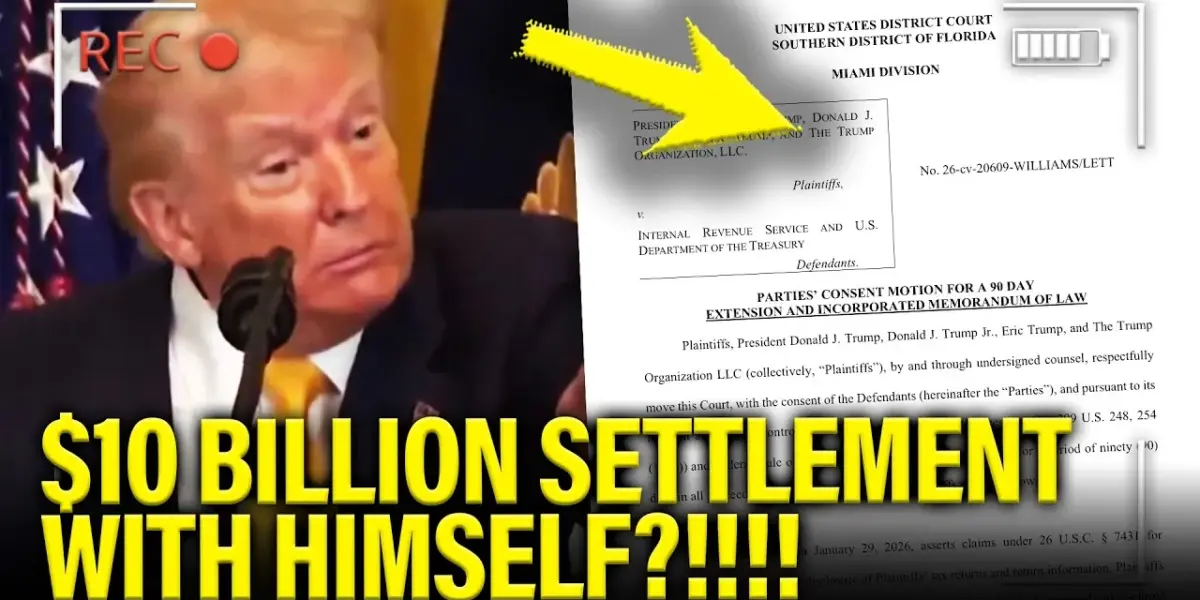
New court filings reveal a potentially stunning move by Donald Trump. He is seeking a $10 billion settlement from the IRS in a lawsuit he filed against the U.S. government. This case, initially about a data breach, now appears to be a direct negotiation for a massive payout.
The lawsuit, filed in federal court, claims that Trump’s tax information may have been exposed due to a data breach by a government employee. He is asking for $10 billion or more in damages. This amount raises serious questions, especially since the breach may have affected many Americans.
Unusual Legal Strategy and Historical Context
Historically, presidents and candidates have voluntarily released their tax returns. This practice, dating back at least to Nixon, aimed to show transparency and prevent conflicts of interest. It helped assure the public that a leader’s decisions were not influenced by personal financial entanglements.
Donald Trump broke with this tradition, refusing to release his tax returns during his campaigns and presidency. When his tax returns were eventually obtained, it was revealed he paid very little in taxes for many years, sometimes as low as $750 or even $0 annually. This was significantly less than many average citizens.
Details of the Settlement Discussion
The current lawsuit, filed by Donald Trump, Eric Trump, and The Trump Organization, names the IRS and the U.S. Department of Treasury as defendants. The filing requests a 90-day extension for all proceedings. This pause is intended to allow parties to engage in discussions aimed at resolving the matter without lengthy litigation.
The core of the claim is under 26 U.S.C. Section 7431, concerning unauthorized inspection and disclosure of tax return information.
The plaintiffs assert that an IRS contractor or employee unlawfully accessed and disclosed confidential tax return data. The document suggests these discussions are designed to narrow or resolve issues efficiently.
Analysis of the Legal Maneuver
Legal experts view this situation with deep skepticism. The idea of a sitting president suing the government and then discussing a settlement with it is highly unusual. Some suggest it resembles a situation where adversaries are acting as allies, prioritizing personal interests over adversarial legal processes.
The request for a 90-day extension is framed as promoting judicial economy and efficiency. However, critics argue it’s a tactic to avoid scrutiny and potentially secure a favorable settlement. The parties involved are essentially asking the court to pause proceedings while they negotiate amongst themselves.
Potential Financial Implications
Trump has stated his intention to donate any settlement money, not keep it for himself. However, the mechanism for this donation raises further concerns. Donating the settlement money to a charitable entity, like a presidential library, could allow him to claim significant tax deductions.
This strategy could potentially allow him to offset future tax liabilities, effectively using taxpayer dollars to reduce his personal tax burden for years to come. The plan appears to involve receiving funds and then using them as a deduction, a move that benefits him financially while costing taxpayers.
Expert Opinions and Concerns
Legal commentators have expressed astonishment at the brazenness of the situation. They highlight that such a lawsuit and settlement discussion, especially involving a sitting president, would be unthinkable in most other administrations and potentially criminal in nature.
The process, as described in the court filing, suggests a lack of genuine adversarial negotiation. Instead, it appears to be a coordinated effort between Trump and government entities to achieve a mutually beneficial outcome, bypassing normal legal checks and balances.
Why This Matters
This situation highlights significant concerns about the use of the legal system for personal gain and the potential for conflicts of interest when a leader sues the very government they lead. The sheer scale of the requested settlement and the proposed method of handling it raise ethical and financial questions for taxpayers.
It highlights the importance of transparency and accountability in government. The public deserves assurance that legal processes are fair and not manipulated for personal enrichment. The actions taken in this case could set a precedent for future interactions between public officials and government agencies.
Future Outlook
The case is before Judge Kathleen Mary Williams, an Obama appointee known for making firm rulings. How she responds to this unique request for an extension and the underlying settlement discussions will be closely watched.
If Democrats gain control of Congress in the midterms, this matter is expected to become a significant focus of oversight. The details of these behind-the-scenes communications and the potential $10 billion settlement will likely be scrutinized intensely.
Source: 🚨SECRET Trump $10 BILLION SETTLEMENT PLAN is EXPOSED!!! (YouTube)

Related Articles

Trump Attacks Critics When Polls Show Him Falling
Donald Trump's recent attacks on a Fox News host and the Pope highlight a pattern of deflecting criticism through personal insults. When faced with low approval ratings and policy critiques, Trump often shifts the focus to attacking his opponents rather than addressing substantive issues.


US Navy Seizes Iranian Ship After Refusal to Stop
The U.S. Navy has seized an Iranian cargo ship in the Gulf of Oman after it refused to stop, according to President Trump. This action escalates tensions as a regional ceasefire deadline approaches. High-stakes negotiations are planned in Pakistan, though Iran has expressed rejection.


Harris: Trump Started Iran War Americans Don’t Want
Vice President Kamala Harris criticized former President Donald Trump's approach to Iran, stating he "entered a war that the American people do not want." Speaking in Michigan, Harris alleged that Trump was influenced by Israeli Prime Minister Benjamin Netanyahu. She warned that this policy strained alliances and increased costs for Americans.