Trump’s Vendetta Politics Distract From Real Issues
Donald Trump's communication strategy appears to prioritize personal vendettas over addressing national issues like inflation. His social media activity shows an obsessive focus on perceived enemies, overshadowing economic concerns and raising questions about his leadership priorities.

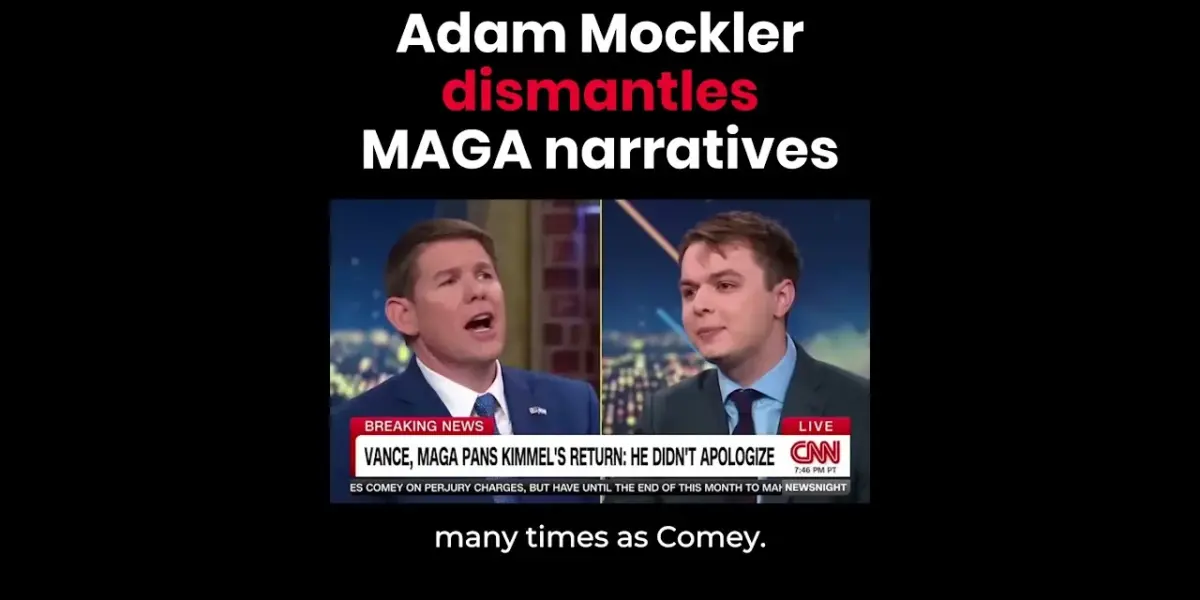
Trump’s Focus on Personal Grievances Over National Problems
Recent political commentary highlights a troubling pattern: Donald Trump appears more focused on settling personal scores than addressing critical national issues. While some politicians claim to set aside differences, Trump’s public statements often reveal a deep-seated animosity towards his opponents. This stark contrast suggests a strategy aimed at unifying his base through shared antagonism rather than common goals.
One striking example involves comments made after a politician stated she didn’t hate the other side. Trump immediately followed, declaring, “I do hate my opponents.” This wasn’t from a late-night comedian, but from the former President of the United States. It signals a deliberate effort to rally supporters by emphasizing division and opposition.
The Strategy of Distraction
This approach seems to be a calculated move to consolidate ideological support. The analysis points to actions like Jimmy Kimmel being pulled off the air and the repeated mention of James Comey as evidence. These events suggest a pattern of targeting perceived enemies or critics.
The sheer volume of Trump’s social media activity supports this observation. Research indicates he has mentioned James Comey over 2,000 times on his Truth Social platform. This obsessive focus on a single individual stands in sharp contrast to his mentions of pressing economic issues.
Economic Realities Ignored
In comparison, inflation, a major concern for many Americans, has been mentioned far less frequently. Trump’s platform mentions inflation only half as many times as it mentions Wall Street. This disparity suggests that his priorities lie elsewhere, not in solving widespread economic challenges.
The argument is that Trump’s focus is on “petty vengeances.” Going after figures like Comey or Kimmel takes precedence over discussing the economy. This leaves important national questions, such as the state of the economy, unanswered or poorly addressed.
The Economy’s Uncertain Outlook
When the economy is brought up, the response is dismissive, implying the issue is already solved. However, current data suggests otherwise. Unemployment rates are rising, and the impact of tariffs is making economic conditions worse for many.
This focus on personal battles and revenge distracts from the real economic struggles faced by citizens. It raises questions about leadership priorities and the kind of national discourse being promoted.
Why This Matters
The tendency for political figures to prioritize personal vendettas over substantive policy discussion is a significant concern for democratic health. When leaders use their platforms to attack individuals rather than propose solutions, it erodes public trust and diverts attention from pressing national problems.
This pattern is particularly damaging when it comes to economic issues. Americans need clear, honest assessments of the economy and concrete plans to improve their financial well-being. Instead, they are often presented with a narrative driven by personal animosity, which offers little in the way of practical help.
Historical Context
Throughout history, leaders have used distraction and the creation of enemies to maintain power or deflect criticism. This tactic can be effective in the short term by rallying a dedicated base. However, it often leads to a neglect of fundamental governance and can have long-term negative consequences for society.
The current situation echoes past instances where political discourse became dominated by personal feuds. This historical lens suggests that such strategies, while attention-grabbing, are ultimately unsustainable and harmful to effective leadership.
Trends and Future Outlook
The rise of social media has amplified this trend, allowing for direct, often unfiltered, communication that can quickly devolve into personal attacks. This makes it easier for divisive rhetoric to gain traction and dominate public conversation.
Moving forward, voters face the challenge of discerning between genuine policy proposals and politically motivated personal attacks. The ability of citizens to critically evaluate information and demand substantive discussion will be crucial in shaping the future of political discourse.
The upcoming election cycle will likely see a continuation of these tactics. Voters will need to consider whether focusing on past grievances serves their interests or if a return to policy-focused leadership is more beneficial.
Source: Watch Him Get Caught Out And Lie (YouTube)

Related Articles
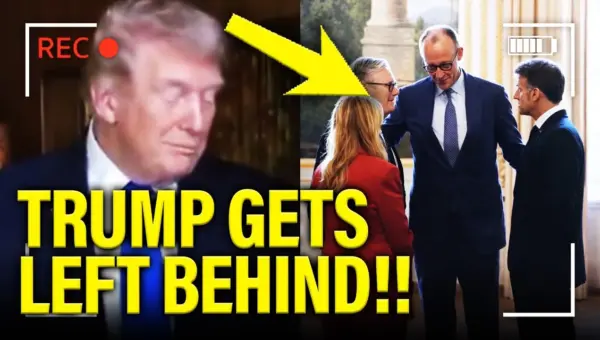
Global Leaders Shun Trump, Forge New Alliances Without U.S.
World leaders are increasingly excluding Donald Trump from international meetings, signaling a shift away from U.S. leadership. Nations are forging new alliances in Europe and Asia, with China stepping into diplomatic voids. This trend suggests a more multi-polar world order is emerging.
Trump’s Economy: Vegas Gamble or Real Recovery?
President Trump's economic message faces headwinds as polls show most Americans feel the economy is struggling, despite stock market highs. A "K-shaped" economy and global conflicts like the Iran war add to the challenges. Meanwhile, debates rage over accountability in Congress and shifting US public opinion on foreign policy.

Trump’s Iran Claims Crumble Under Scrutiny
Recent claims by Donald Trump about a deal with Iran have been met with direct contradictions from Iranian officials and observations of the Strait of Hormuz. Suspicions of market manipulation have also arisen due to large oil trades preceding Trump's announcement.