Global Leaders Shun Trump, Forge New Alliances Without U.S.
World leaders are increasingly excluding Donald Trump from international meetings, signaling a shift away from U.S. leadership. Nations are forging new alliances in Europe and Asia, with China stepping into diplomatic voids. This trend suggests a more multi-polar world order is emerging.

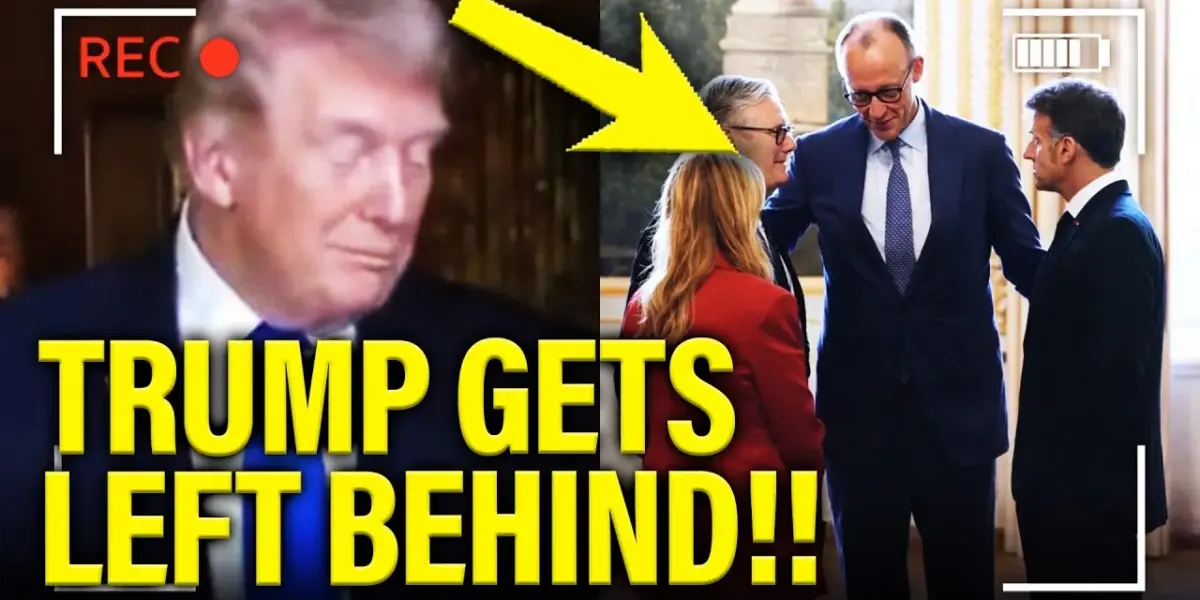
Global Leaders Shun Trump, Forge New Alliances Without U.S.
World leaders are increasingly excluding Donald Trump from important international gatherings, signaling a significant shift in global diplomacy. This exclusion suggests a growing disapproval of his past policies and a move towards new partnerships independent of American leadership. Recent events highlight how nations are actively seeking collaboration on critical issues, often without inviting the former U.S. president.
A prime example occurred at a recent meeting in France, convened by French President Emmanuel Macron and UK Prime Minister Keir Starmer. This summit brought together leaders from 50 nations to strategize on the Middle East.
Donald Trump was not invited, sending a clear message that the U.S. under his potential leadership is not seen as a reliable partner. German Chancellor Olaf Scholz and Italian Prime Minister Giorgia Meloni also participated, underscoring a united front among key European nations.
Trump’s Iran Deal Claims Contradicted
This diplomatic isolation comes as Donald Trump made claims about a grand bargain with Iran, asserting that the Strait of Hormuz would be opened and American and Iranian forces would collaborate. He also stated that Iran had agreed to cease funding groups like Hezbollah.
However, these assertions were quickly met with skepticism. European and Gulf states have openly expressed doubts about any meaningful deal emerging in the near future, suggesting Trump’s pronouncements were inaccurate.
While Trump was making these claims, many European nations were busy rallying support from across the globe. They brought together countries from Asia, Africa, and South America to discuss collective strategies. This effort is framed as a response to an America that is perceived as prioritizing an “America Alone” approach, rather than engaging in global cooperation.
China and Canada Step into the Void
Simultaneously, major diplomatic meetings were taking place in Beijing, China. President Xi Jinping met with leaders such as the Crown Prince of Abu Dhabi and Spanish Prime Minister Pedro Sánchez.
These discussions focused on China asserting itself as a stabilizing force in the Middle East and Europe, offering an alternative to perceived U.S. unreliability. China is positioning itself as a more dependable partner for global stability.
In Canada, Prime Minister Justin Trudeau also hosted Finnish President Alexander Stubb. Trudeau, known for his commitment to multilateralism, is actively building bridges between trans-Pacific and transatlantic relationships.
This focus on free trade and security agreements contrasts sharply with Trump’s “America First” strategy. The presence of leaders like Stubb, who is well-regarded in Europe, further emphasizes the growing network of nations seeking collaboration outside of traditional U.S. leadership.
European Leaders Express Concerns
The sentiment among European leaders is clear: a deviation from traditional U.S. foreign policy leads to isolation. Finnish President Alexander Stubb stated that the U.S. might find itself in a lonely position if certain behaviors continue. He stressed the importance of close friends and allies for any nation wishing to remain a global leader.
Similarly, NATO Secretary General Jens Stoltenberg highlighted Norway’s key role in U.S. defense, bordering Russia and providing vital intelligence. He emphasized that a strong NATO makes the U.S. safer and expressed confidence in continued U.S. commitment to the alliance. These statements highlight the mutual benefits of strong alliances, which stand in contrast to an isolationist approach.
Global Efforts on Navigation and Security
A CNN International report detailed a meeting in France focused on ensuring safe navigation in the Strait of Hormuz. Leaders from around the globe, including those from Latin America, the Middle East, and the Indo-Pacific, gathered to address the impacts of conflict on global trade. The objective was to prevent blockades and ensure open passage, with plans for joint naval operations like mine-sweeping, contingent on a ceasefire.
The discussions emphasized prudence, aiming to de-escalate tensions without direct involvement in the conflict. This collaborative approach demonstrates a desire among nations to manage global security challenges proactively, even if it means acting independently of the U.S. The strategy seeks to address the situation without being drawn into the direct fighting.
China’s Growing Diplomatic Role
In Beijing, China’s deepening ties with Gulf partners like Abu Dhabi were evident. Leaders pledged greater cooperation in technology, energy, and trade, especially as regional conflicts disrupt global energy markets.
China’s President Xi Jinping and Spain’s Prime Minister Pedro Sánchez called for defending multilateralism in an increasingly unstable world. Sánchez specifically urged China to play a larger role in resolving global conflicts.
China has denied allegations of supplying weapons to Iran and condemned U.S. actions like port blockades. Beijing advocates for a comprehensive ceasefire to ease tensions, positioning itself as a mediator. This diplomatic engagement shows China’s intent to be a significant player in resolving international disputes.
U.S. Policy and International Relations Strain
Meanwhile, U.S. Treasury Secretary Scott Bessant extended sanctions relief on Russian oil, a move seen by critics as beneficial to Russia. Commerce Secretary Howard Lutnick also engaged in trade disputes, criticizing Canada’s defense procurement decisions. This approach, coupled with Trump’s past threats to annex Canada, has strained relations with a key U.S. ally.
Canadian officials believe that the longer they wait to negotiate, the better their position will be. This strategic patience highlights a growing confidence in Canada’s ability to navigate trade relations independently, even with a powerful neighbor like the United States. The U.S. economy’s significant size as a consumer market is acknowledged, but not seen as an insurmountable advantage for U.S. negotiators.
Ukraine Seeks Support and Accountability
Ukrainian President Volodymyr Zelenskyy has been actively seeking international support, visiting the Middle East and signing defense cooperation agreements. He has emphasized the need for continued pressure on Russia through sanctions and for holding war criminals accountable. Zelenskyy is working with European partners, including the Netherlands, to establish a tribunal for Russian aggression.
This push for accountability aims to ensure that those who start wars face fair consequences, drawing parallels to the aftermath of World War II. The effort underscores Ukraine’s commitment to international law and justice, seeking to prevent impunity for wartime actions. The goal is to create a system where aggression is met with decisive legal repercussions.
Global Partnerships Amidst Shifting Alliances
The Dutch King Willem-Alexander and Queen Máxima visited the White House, seeking to restore a sense of normalcy in diplomatic relations. However, the broader context suggests a significant recalibration of global power. Retired General David Petraeus noted that countries like the Gulf states have turned to Ukraine for expertise in countering drone attacks, acknowledging Ukraine’s advanced capabilities.
Italian Prime Minister Giorgia Meloni reiterated Italy’s commitment to supporting Ukraine, viewing it as a moral and strategic necessity for European security. Italy plans to continue promoting economic pressure on Russia through the G7 and EU, as Russia shows no signs of negotiation and continues attacks on civilians. This shows a unified European stance on the conflict.
Why This Matters
The exclusion of Donald Trump from key international meetings and the concurrent rise of alternative diplomatic forums in China and Europe signal a profound shift in global influence. Nations are no longer solely relying on U.S. leadership to address pressing issues like regional security, trade, and conflict resolution. This fragmentation of traditional alliances and the emergence of new power centers suggest a more complex and multi-polar world order is taking shape.
The ability of countries like China to step into diplomatic voids, coupled with Europe’s renewed commitment to multilateralism, indicates a desire for stability and cooperation that transcends U.S. foreign policy fluctuations. For the United States, this trend poses a significant challenge, potentially diminishing its global standing and influence if it continues to pursue isolationist policies. The world is actively seeking solutions and forging partnerships, with or without American leadership.
Implications and Future Outlook
This evolving geopolitical landscape suggests that future international relations will be characterized by a greater diversity of alliances and power brokers. The U.S. may need to adapt its approach to regain its influence, emphasizing collaboration and shared interests rather than unilateral action. The success of initiatives like the European-led Middle East security talks and China’s diplomatic outreach points to a future where multiple poles of influence will shape global events.
The coming years will likely see continued efforts by various nations to build independent capacity and forge new partnerships. The emphasis on multilateralism by European leaders and China’s assertive diplomatic role indicate a strategic pivot. The world is moving towards a more interconnected but also more fragmented system, where adaptability and consensus-building will be key for all global actors.
Historical Context
Following World War II, the United States played a central role in establishing a global order based on alliances like NATO and international institutions. This order, while largely beneficial, has seen periods of strain, particularly during times of shifting U.S. foreign policy. The current situation echoes earlier periods where global powers sought to redefine their roles and alliances in response to perceived shifts in dominant powers’ engagement.
The current diplomatic realignments can be seen as a natural evolution in international relations, driven by changing economic power, technological advancements, and differing political ideologies. The rise of China as a global economic and diplomatic force, alongside Europe’s renewed focus on strategic autonomy, represents a significant departure from the post-Cold War unipolar moment.
Looking Ahead
As global powers continue to recalibrate their relationships, the focus will likely remain on economic cooperation, security pacts, and addressing shared challenges like climate change and pandemics. The diplomatic activities observed in France, Beijing, and Ottawa highlight a proactive approach by nations seeking to ensure their interests are met in a changing world. The effectiveness of these new alliances and China’s growing role will be crucial factors in shaping the international order in the years to come.
Source: FURIOUS World Leaders GHOST Trump after HE LOSES WAR!!!! (YouTube)

Related Articles
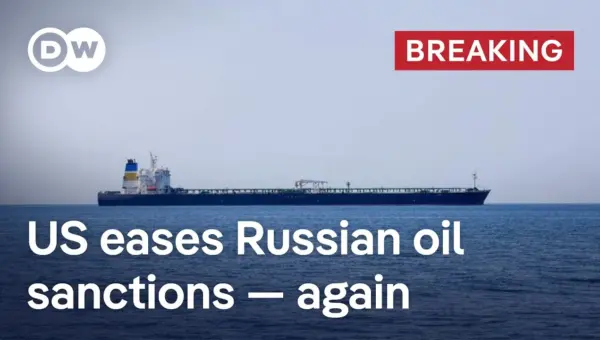
US Eases Russian Oil Sanctions, Sparking Outrage in Ukraine
The United States has extended a waiver allowing sanctioned Russian oil to flow, drawing sharp criticism from Ukraine and European allies. Kyiv views the move as a financial boon for Russia, potentially undermining efforts to end the war. The decision comes amid volatile global energy prices and raises questions about the effectiveness of international sanctions.
Iran Blockade Hits Oil Exports, Shifts Mideast Power Dynamics
A U.S. blockade is now in effect, stopping Iran's oil exports and significantly impacting its economy. This move aims to pressure the Iranian regime amidst stalled negotiations. The blockade has led to a slight drop in oil prices, suggesting market anticipation of eased supply concerns, though geopolitical risks remain.
Trump’s Economy: Vegas Gamble or Real Recovery?
President Trump's economic message faces headwinds as polls show most Americans feel the economy is struggling, despite stock market highs. A "K-shaped" economy and global conflicts like the Iran war add to the challenges. Meanwhile, debates rage over accountability in Congress and shifting US public opinion on foreign policy.