Trump’s Iran Claims Crumble Under Scrutiny
Recent claims by Donald Trump about a deal with Iran have been met with direct contradictions from Iranian officials and observations of the Strait of Hormuz. Suspicions of market manipulation have also arisen due to large oil trades preceding Trump's announcement.

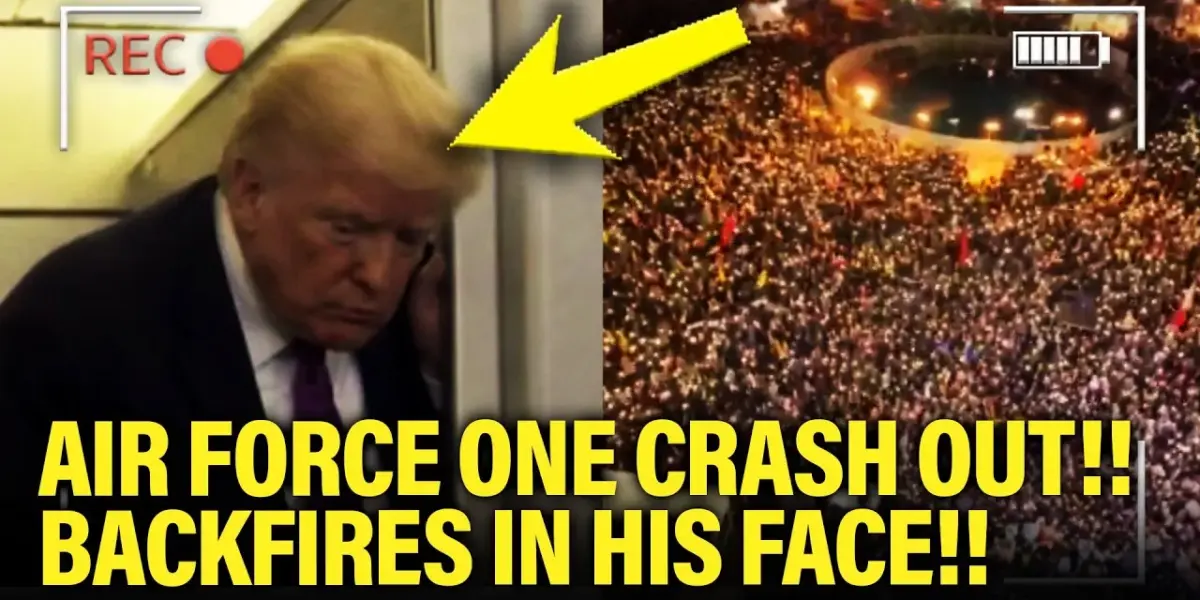
Trump’s Iran Claims Crumble Under Scrutiny
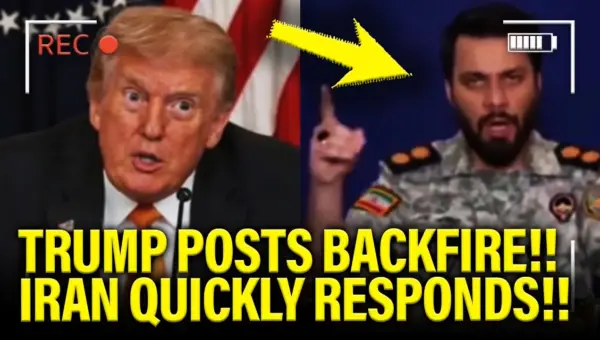
Recent claims made by Donald Trump regarding a deal with Iran have faced significant challenges. Trump stated that the Strait of Hormuz was open, American and Iranian forces were cooperating on nuclear material collection, and Iran would stop funding proxy groups.
However, reports from Iran and observations of the Strait of Hormuz suggest a very different reality. Iran has stated that none of Trump’s claims are true, directly contradicting his public statements.
The Strait of Hormuz remains under Iran’s control, not open as Trump announced. While some tankers attempted to pass, Iran’s Revolutionary Guard reportedly blocked them.
Iran’s position is that passage is only permitted for commercial ships with explicit permission, through approved corridors, and after paying a toll. This assertion of control over the strait directly refutes Trump’s assertion that it is “completely open and ready for business.”.
Market Manipulation Suspicions
The timing of Trump’s announcement also raised eyebrows. Just 20 minutes before his statement about the Strait of Hormuz opening, massive trades were made in the oil market. Investors sold nearly 8,000 lots of Brent crude futures, betting on a price drop.
These trades, totaling $760 million, were unusually large for the time, leading to suspicions of market manipulation. Those who made these trades likely profited significantly from the subsequent market reaction.
Contradictory Statements and Potential Escalation
Further complicating the situation are Trump’s conflicting statements and hints of military action. When asked about the possibility of no deal by Wednesday, Trump suggested, “Maybe I won’t extend it. But the blockade is going to remain.
But maybe I won’t extend it. So you have a blockade and unfortunately we’ll have to start dropping bombs again.” This statement suggests a willingness to escalate conflict if negotiations fail.
Trump also described a plan where American and Iranian troops would “hold hands together” to collect uranium from Iranian nuclear facilities. Iran has vehemently denied this, calling the idea “laughably false” and emphasizing that their nuclear material is not to be touched by foreign troops. The Iranian perspective is that Trump’s statements are fabricated and not grounded in reality.
Sanctions and International Relations
Adding another layer of complexity, the U.S. Treasury quietly extended a license for Russian oil transactions for another month. This occurred just two days after statements were made that sanctions waivers on Russian and Iranian oil would not be renewed. This move has led to criticism, with some suggesting it undermines U.S. policy and is met with derision by other nations.
Lukashenko, the president of Belarus, commented that if the U.S. cannot stop Iran, it cannot stop Russia or China. He stated that Trump has revealed the U.S. is not all-powerful, but rather a superpower without a super force. This perspective suggests that actions taken by the U.S. are being interpreted by other nations as signs of weakness.
Expert Analysis and Future Outlook
Professor Mirandi, an Iranian professor who travels with the Iranian negotiating team, believes Trump might be intentionally fabricating agreements. His theory is that Trump could later claim Iran broke nonexistent commitments, thereby justifying a military assault. He suggests the chances of a renewed U.S. war against Iran are “quite high” given the conflicting statements and potential strategies.
The situation remains fluid, with conflicting narratives from both sides. The objective facts on the ground, such as the status of the Strait of Hormuz, appear to contradict Trump’s public statements. The idea of joint troop operations to collect nuclear material seems highly improbable based on common sense and Iran’s firm stance.
Why This Matters
The discrepancy between official U.S. statements and the reality on the ground, as reported by Iranian sources and observed through market activity, is significant. It raises serious questions about transparency, the reliability of information, and the potential for miscalculation in international relations. The possibility of market manipulation tied to these announcements also highlights the financial implications of such claims.
This situation highlights the challenges of navigating complex geopolitical issues, especially when public statements appear to diverge from factual reporting. The potential for escalating conflict based on disputed claims demands careful attention and a clear understanding of the facts. The events of the past week demonstrate how critical verified information is in preventing misunderstandings and maintaining stability.
Historical Context
Past U.S. interactions with Iran have been marked by tension and complex negotiations. U.S. policy has often aimed to curb Iran’s nuclear program and influence in the region, while Iran has maintained its sovereign rights and pursued its national interests. Previous administrations have engaged in various forms of diplomacy and sanctions, with mixed results.
The Strait of Hormuz has historically been a critical chokepoint for global oil supplies, making its control a significant strategic concern. Any disruption or perceived threat to its openness has immediate global economic consequences. This context is essential for understanding the gravity of the statements made by all parties involved.
Trends and Future Outlook
The current situation reflects an ongoing pattern of assertive rhetoric and complex diplomatic maneuvering in international affairs. The reliance on public statements versus on-the-ground verification is a recurring theme in modern diplomacy. The potential for future military action, as suggested by some of the rhetoric, remains a serious concern.
Moving forward, it will be crucial to monitor developments closely and rely on verified information from multiple sources. The international community will be watching to see how these tensions resolve and what the long-term implications will be for regional stability and global energy markets.
The next steps in this unfolding situation will likely involve further diplomatic engagements, continued observation of the Strait of Hormuz, and potential market reactions to any new developments. The world waits to see if de-escalation or further conflict will define the coming weeks.
Source: Trump CRASHES OUT on AIR FORCE ONE as IRAN PLAN BACKFIRES!!! (YouTube)

Related Articles

Ukraine Conflict: Early Signs of Russian Influence
Early signs of Russian influence in Ukraine became apparent before the full-scale conflict, with Russian flags appearing on public transport in some cities. Tensions escalated following the 2013 Euromaidan Revolution, leading to confrontations between pro-Ukrainian activists and opposing groups. A violent incident in spring 2014, where activists raising a Ukrainian flag were shot at, forced pro-Ukrainian groups to operate underground.
Ukraine Drones Strike Russian Oil Terminals
Ukrainian forces are increasingly targeting Russian oil export terminals to cut off war funding. Meanwhile, economic woes deepen within Russia, with officials acknowledging negative GDP growth. Ukraine's drone warfare is evolving, allowing for strategic strikes on Russian infrastructure and demonstrating resilience.
Trump’s Iran Claims Fizzle Amidst Reality Check
Donald Trump's announcement of a deal to open the Strait of Hormuz has been met with skepticism, as evidence suggests the situation remains under Iranian control. Shipping data and Iranian officials contradict claims of a fully open passage, raising questions about misinformation and market manipulation.