Hamas Faces Pressure Amid Iran Conflict, Gaza Crisis Worsens
Six months into a fragile ceasefire, Hamas faces significant pressure due to the regional conflict involving Iran, while the humanitarian crisis in Gaza deepens. Political analyst Yaser Abu Musa describes Hamas as weakened and using the suffering of Gazans as leverage. The group is at a crossroads, needing pragmatic decisions to remain relevant amidst shifting alliances and internal divisions.

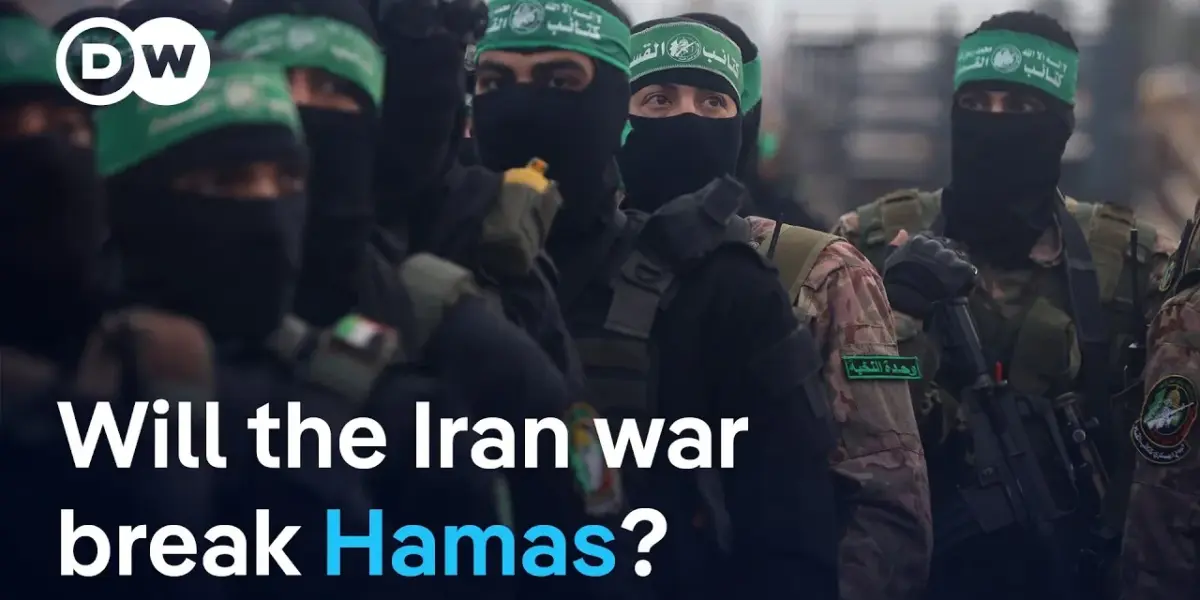
Hamas Weakened by Regional Conflict, Gaza Faces Humanitarian Catastrophe
Six months into a fragile ceasefire, the Gaza Strip remains a complex battleground with divided control between Israel and Hamas. Despite international attention shifting due to the war with Iran, significant developments are unfolding on the ground. Talks for disarmament and recovery, overseen by a US-led board, have stalled, leaving the future uncertain for Palestinians.
Hamas, designated a terrorist group by the US and EU, is weakened but not defeated. However, its traditional backers in Qatar and Iran are now under immense pressure due to the conflict between the US, Israel, and Gulf states against the Islamic Republic.
Yaser Abu Musa, a Palestinian political analyst who recently left Gaza, described Hamas as “very weakened, very decapitated, and has lost a lot of assets.” He noted that while Hamas controls a densely populated area, the humanitarian situation is a “complete catastrophe.” This dire reality, he explained, is being used by Hamas as leverage. “Hamas is weaponizing” the suffering of the people to remain politically relevant, a strategy that comes at a high cost for Palestinians.
Shifting Alliances and Hamas’s Dilemma
Historically, Hamas has relied on support from both Iran and Qatar. Iran provided a direct lifeline, while Qatar offered financial support for the de facto government and the people of Gaza.
Qatar’s role, however, was unique, involving hosting Hamas leadership in Doha with the consent of the US and Israel. This delicate balance has been severely disrupted by the recent conflict, which saw Iranian missiles hitting Gulf states, including Qatar.
Following the conflict, Hamas found itself in a precarious position. Their public support for Iran, while residing in Qatar, led to a backlash.
Qatar even expelled some Hamas propagandists, creating a significant moral and political dilemma for the group. Abu Musa stated that Hamas has been “blown up actually by the war in Iran and the United States” on multiple fronts: materially, morally, and in terms of support.
Internal Divisions and Leadership Vacuum
Internal divisions within Hamas have always existed, with factions leaning towards pragmatism or closer ties with Iran. Before the recent conflict, the leadership based in Gaza, particularly the military wing, held more sway after Hamas leadership moved from Syria to Qatar. This shift led Iran to support Gaza directly, empowering leaders like Ismail Haniyeh and Yahya Sinwar, who were aligned with Iran.
However, the deaths of key leaders have created a leadership vacuum. The group has postponed elections, leaving uncertainty about who will take charge.
Currently, Khalil Haya is involved in negotiations with figures like Steve Watkov and Jared Kushner, while Khaled Mashal handles diplomatic efforts from Qatar. Abu Musa highlighted that Khaled Mashal was reportedly sidelined by Iran’s Revolutionary Guard, suggesting a potential shift in influence away from him.
A Crossroads for Hamas and Gaza’s Future
Hamas stands at a critical juncture, needing to make swift decisions to remain relevant. Abu Musa stressed the need for pragmatism, urging Hamas to accept concessions without resorting to their usual maximalist approach. He expressed alarm at recent statements from Hamas’s military wing vowing to never disarm and to remain aligned with Iran forever, calling it a sign of the group’s dislocation.
The analyst warned that a schism within Hamas is possible, especially if Iran continues to support one faction over another. He also voiced deep concern for the people of Gaza, describing the situation as “very grim” and “very, very dark.” With millions displaced, children out of school for years, and severe shortages of food and water, the focus on disarmament as a precondition is seen as damaging and potentially impossible.
Disarmament: A Means, Not an End
Abu Musa argued that disarmament is necessary but should be part of a broader political transformation, not an end in itself. He believes that violence should not be presented as the only way forward, either politically or socially. The current approach, he fears, has damaged the social fabric of Gaza, and every wasted day harms the Palestinians.
Regarding support for Hamas within Gaza, Abu Musa noted that demonstrations against the group occurred during recent conflicts, though they were often dismissed by Israeli media. He cited low poll numbers, with Hamas support as low as 18% in late 2025.
However, he explained that the primary focus for most Gazans is daily survival – securing water, food, and shelter. This struggle for basic needs leaves little room for political engagement or concern about Hamas or Israel.
The situation remains dire, with millions displaced and basic necessities scarce. The path forward for Hamas and the people of Gaza hinges on pragmatic decisions and a shift towards political solutions that prioritize human well-being over political relevance.
Source: How the Iran war is reshaping the future of Hamas — and the lives of Palestinians in Gaza | DW News (YouTube)

Related Articles


Trump’s Economy: Vegas Gamble or Real Recovery?
President Trump's economic message faces headwinds as polls show most Americans feel the economy is struggling, despite stock market highs. A "K-shaped" economy and global conflicts like the Iran war add to the challenges. Meanwhile, debates rage over accountability in Congress and shifting US public opinion on foreign policy.

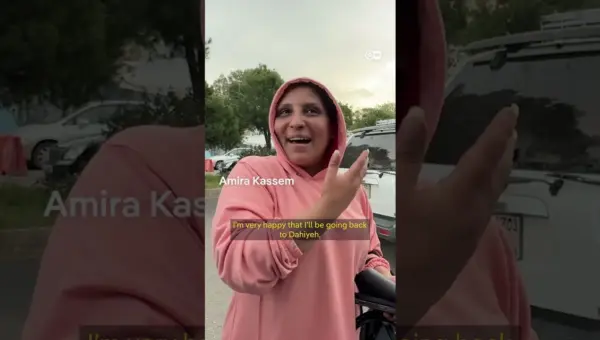
Beirut Suburbs Breathe Easier After Ceasefire, But Damage Lingers
Residents of Beirut's southern suburbs are cautiously returning home following a ceasefire, but many face destroyed homes and lingering insecurity. Despite a fragile calm, the Lebanese Armed Forces reported ceasefire violations and urged caution. The community faces immense challenges as they begin the difficult process of rebuilding and seeking normalcy.


Trump’s War Blunder Rocks Pentagon, Iran Strait Reopens
The Strait of Hormuz has reopened, offering a glimmer of hope for global economic stability, yet conflicting statements from the Trump administration sow confusion. Meanwhile, everyday Americans continue to grapple with the economic fallout of the war, including soaring gas prices and rising inflation, creating a stark divide between Wall Street's gains and Main Street's struggles.