Strait of Hormuz Tensions Rise Amid Fragile Cease-Fire
Iran has reimposed restrictions on the Strait of Hormuz as a cease-fire between Israel and Lebanon nears its expiration. This move adds complexity to ongoing U.S.-Iran negotiations, with conflicting reports on potential nuclear program agreements. The situation highlights the region's delicate balance and potential for economic disruption.

Strait of Hormuz Tensions Rise Amid Fragile Cease-Fire
The strategic Strait of Hormuz has once again become a focal point of international tension. Iran has recently reimposed restrictions on this vital waterway, a move that comes as a cease-fire between Israel and Lebanon, which has implications for broader regional stability, is set to expire. This development adds another layer of complexity to an already delicate situation in the Middle East, where diplomatic efforts are ongoing but face significant challenges.
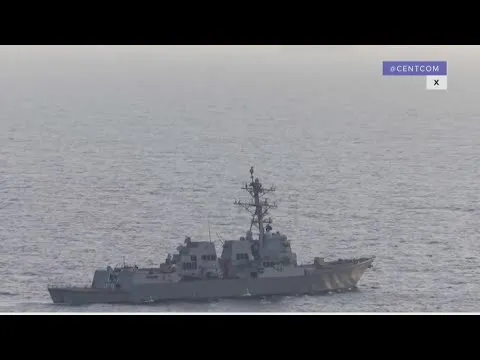
The situation is changing rapidly, with conflicting reports emerging about potential agreements and escalations. The United States has been enforcing a naval blockade, signaling its intent to maintain pressure on Iran until a deal is reached.
U.S. officials report that several vessels have been turned away, highlighting the enforcement of these measures. The effectiveness and duration of these diplomatic and military pressures remain a key point of discussion.
The Nuclear Program and Diplomatic Efforts
President Trump has indicated that Iran has agreed to suspend its nuclear program, suggesting that a deal could be finalized soon. However, Iran has not officially confirmed this assertion, creating a gap between U.S. statements and Iranian responses. This discrepancy highlights the difficulty in reaching a mutually agreed-upon resolution in ongoing negotiations.
The Strait of Hormuz is a critical chokepoint for global oil supplies, making any disruption there a matter of international concern. Iran’s decision to reimpose restrictions, after initially suggesting a reopening for commercial ships, demonstrates the fluctuating nature of the situation. This action appears to be part of a broader strategy of applying diplomatic and economic pressure.
Lebanon Cease-Fire and Humanitarian Concerns
Simultaneously, a 10-day cease-fire between Israel and Lebanon is holding, but the aftermath of recent hostilities has left a significant humanitarian impact. Thousands of civilians have been displaced, and many have lost their homes. While some are beginning to return, they are being cautioned about the lingering dangers from heavy strikes.
Millions have been affected by the conflict, with many finding temporary shelter in schools or even their cars due to the lack of safe housing. The challenging weather conditions have further complicated the situation for those displaced. The U.S. has invited both Israel and Lebanon to the White House for potential talks, an event that would mark a significant diplomatic step if it were to occur.
Why This Matters
The reimposition of restrictions on the Strait of Hormuz directly impacts global energy markets and shipping routes. Any escalation in this region could have far-reaching economic consequences worldwide. The ongoing diplomatic dance between the U.S. and Iran, alongside the fragile cease-fire in Lebanon, highlights the complex web of relationships and potential flashpoints in the Middle East.
The differing accounts from U.S. officials and Iranian representatives about the progress of negotiations create uncertainty. This lack of clear confirmation makes it difficult to assess the true state of affairs and the likelihood of a peaceful resolution. The deployment of additional U.S. troops to the region further signals the seriousness with which the U.S. views the evolving security situation.
Implications and Future Outlook
The coming days are critical as the cease-fire deadline approaches and Iran’s actions in the Strait of Hormuz continue to be monitored. The willingness of both sides to make concessions will determine whether a diplomatic breakthrough is possible or if tensions will escalate further. The humanitarian crisis in Lebanon also requires ongoing attention and support.
Future discussions and potential meetings will likely be contingent on the stability of the current cease-fire and the progress made in addressing Iran’s nuclear program. The U.S. naval blockade’s continuation is a clear signal of its commitment to its stated objectives. The situation remains fluid, with developments expected as the deadline for the cease-fire looms.
Historical Context
The Strait of Hormuz has historically been a sensitive area, with various incidents and tensions marking its significance. Its strategic location has made it a crucial chokepoint for oil shipments for decades. The current events echo past challenges in maintaining stability and ensuring freedom of navigation in this vital waterway.
The potential for direct talks between Israel and Lebanon at the White House, if it materializes, would be a significant diplomatic moment, recalling previous high-stakes negotiations in the region. Such meetings, however, are always dependent on the prevailing security conditions and the willingness of all parties to engage constructively.
The next few days will be crucial in determining the direction of events, with the cease-fire expiration on the horizon. Observers will be closely watching for any confirmed progress in negotiations or signs of further escalation in the Strait of Hormuz.
Source: Iran reimposes restrictions on Strait of Hormuz | Morning in America (YouTube)

Related Articles


Iran’s Brutal Regime Faces Global Scrutiny Amid Ceasefire Hopes
Reports detail Iran's brutal crackdown on protesters, with executions looming, while a potential ceasefire between Israel and Lebanon offers a path to regional stability. Domestically, concerns over massive fraud schemes and calls for accountability are intensifying, with questions raised about transparency and the role of investigative journalism.


Congress Faces Reckoning: Millions Paid in Secret Harassment Settlements
Millions in taxpayer funds were allegedly used to silence victims of sexual misconduct in Congress, sparking investigations and calls for transparency. Meanwhile, mysterious disappearances of UFO-linked scientists raise national security concerns, and diplomatic efforts continue amidst a blockade of Iran.


Trump’s Iran Claims Crumble Under Scrutiny
Recent claims by Donald Trump about a deal with Iran have been met with direct contradictions from Iranian officials and observations of the Strait of Hormuz. Suspicions of market manipulation have also arisen due to large oil trades preceding Trump's announcement.