Melania Trump Champions Foster Youth: A Call for Opportunity
First Lady Melania Trump is advocating for much-needed updates to the U.S. foster care system. Current data shows alarming challenges for youth aging out, including homelessness and incarceration. Bipartisan efforts are underway to pass legislation like the Chafee Bills, aiming to provide better support and opportunities.

Melania Trump Champions Foster Youth: A Call for Opportunity
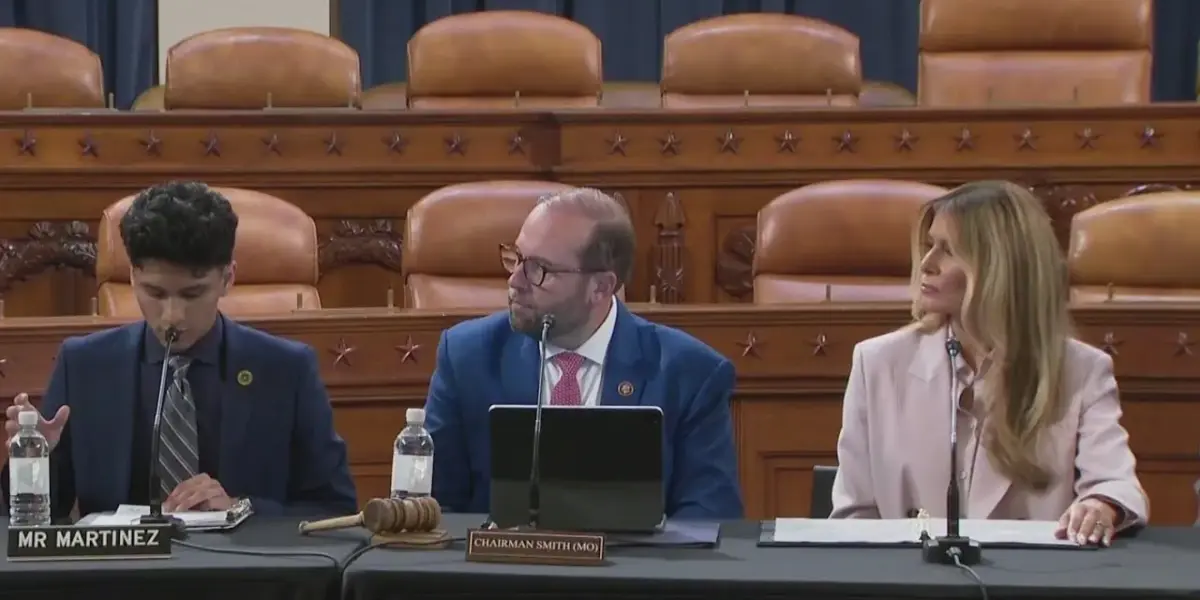
First Lady Melania Trump recently made a significant visit to Capitol Hill, focusing her attention on a critical issue: improving the foster care system. Her efforts centered on urging Congress to expand services for young people in foster care. This initiative highlights a growing concern about the well-being of youth as they transition out of the system and into adulthood.
The First Lady met with the House Ways and Means Committee, a group working on legislation aimed at bettering the lives of young people who are aging out of foster care. This meeting signals a bipartisan effort to address the challenges these individuals face. It’s a moment where a prominent figure is using her platform to advocate for a vulnerable population.
The Stark Reality for Foster Youth
The numbers paint a concerning picture for children within the U.S. foster care system. Currently, over 300,000 children are in foster care.
A significant portion of these, more than 15,000, are expected to age out of the program by 2024. This means they will no longer receive support from the system at a crucial age.
The data reveals alarming trends for youth leaving foster care at 18 or older. Over 30% have spent time in a correctional facility by age 17. By age 24, more than 40% have been incarcerated.
For young women formerly in foster care, 71% are pregnant by age 21. These statistics are not just numbers; they represent young lives facing immense difficulties.
Homelessness is another major challenge. Former foster youth experience homelessness at much higher rates than the general population.
Between 22% and 30% of youth exiting foster care face homelessness by age 26. This lack of stable housing further complicates their ability to build a secure future.
Legislative Efforts to Bridge the Gap
These statistics clearly show that many young people aging out of foster care are not adequately prepared for self-sufficiency. Lawmakers are actively trying to change this. Supporters believe extending foster care programs can lead to better outcomes for these individuals.
Both Republicans and Democrats have introduced several bills to update the current foster care system. These proposed measures aim to increase access to essential resources.
They include better housing options, educational support, and job training programs. The goal is to help foster youth make a smoother transition into adulthood.
“Success for foster youth shouldn’t be a result of luck; it should be a result of opportunity. And today, U.S. Congress has the power to turn that into law by passing the bipartisan Chafee Bills.”
This quote from a former foster youth powerfully captures the essence of the proposed changes. It emphasizes that opportunity, not chance, should determine a young person’s future. Passing legislation like the Chafee Bills could provide that much-needed opportunity.
Unused Funds and Declining Adoptions
Despite the clear needs of foster youth, recent data from the Government Accountability Office reveals a troubling trend. States were returning billions of dollars in unused program funds to the federal government.
This is happening while adoption rates have fallen, reaching nearly 47,000 in 2024. Programs like foster care are vital for supporting these young people.
Updates to programs like the Chafee program are crucial for the success of foster care youth. However, these updates still have a long way to go before becoming law. The bills have only recently been introduced in Congress, meaning the advocacy and legislative process will continue.
Why This Matters
The well-being of young people aging out of foster care is a reflection of our society’s commitment to its most vulnerable. The high rates of homelessness, incarceration, and unplanned pregnancies among this group are not just individual tragedies; they are societal challenges. Investing in better support systems for foster youth is an investment in their future and the future of our communities.
By providing access to education, housing, and job training, we can help these young people become self-sufficient and contributing members of society. This not only benefits them but also reduces long-term costs associated with social services, healthcare, and the justice system. The current legislative push, supported by figures like First Lady Melania Trump, represents a critical opportunity to make a meaningful difference.
Implications and Future Outlook
The push for updated foster care policies suggests a growing recognition of the system’s shortcomings. If successful, these legislative changes could create a more robust safety net for young people leaving foster care. This could lead to improved long-term outcomes, including higher rates of employment, stable housing, and overall well-being.
The future outlook depends on the continued bipartisan support and the effective implementation of any new laws. The fact that states are returning unused funds while youth are struggling highlights the need for better program management and resource allocation. The ongoing legislative process for the Chafee Bills will be closely watched as a barometer for progress in this area.
Historical Context
The foster care system in the United States has evolved significantly over time, from early orphanages to the modern system designed to provide temporary care. Legislation like the Chafee Act of 1986, and its subsequent updates, has aimed to improve services for foster youth. These efforts reflect a long-standing, though sometimes inconsistent, societal effort to care for children who cannot live with their biological families.
The current focus on extending care and providing transition support builds upon decades of advocacy and research. It acknowledges that simply providing shelter until age 18 is often insufficient for true independence. The current legislative proposals represent the latest chapter in this ongoing effort to ensure that young people leaving foster care have the tools they need to succeed.
The House Ways and Means Committee is continuing its work on these critical bills. The next steps will involve further debate, potential amendments, and votes in Congress.
Source: First Lady Melania Trump pushes for updates to foster care system | Morning in America (YouTube)

Related Articles


Congress Faces Reckoning: Millions Paid in Secret Harassment Settlements
Millions in taxpayer funds were allegedly used to silence victims of sexual misconduct in Congress, sparking investigations and calls for transparency. Meanwhile, mysterious disappearances of UFO-linked scientists raise national security concerns, and diplomatic efforts continue amidst a blockade of Iran.


Trump’s Economy: Vegas Gamble or Real Recovery?
President Trump's economic message faces headwinds as polls show most Americans feel the economy is struggling, despite stock market highs. A "K-shaped" economy and global conflicts like the Iran war add to the challenges. Meanwhile, debates rage over accountability in Congress and shifting US public opinion on foreign policy.

Pentagon Plays Congress: UAP Video Blackout Continues
The Pentagon has missed a deadline to release classified UAP videos to Congress, fueling accusations of deliberate obstruction. Key lawmakers are calling this a constitutional crisis, questioning the government's transparency.