Medicaid Fraud Steals Billions, Harms Vulnerable Americans
Billions of dollars intended for Medicaid and Medicare are being lost to fraud each year. This theft not only impacts taxpayers but also directly harms vulnerable individuals who rely on these essential services for their health and well-being. Efforts are underway to combat this widespread issue.

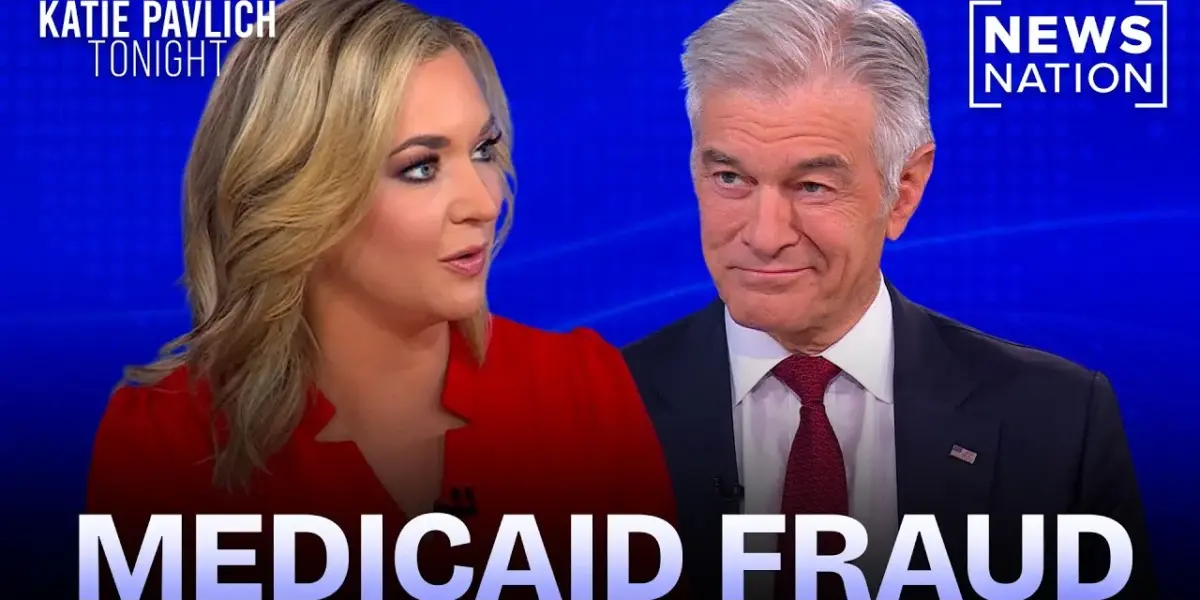
Medicaid Fraud Steals Billions, Harms Vulnerable Americans
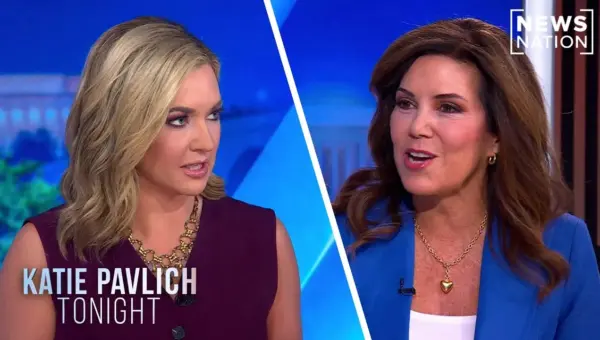
Millions of dollars meant to help those in need are being stolen through fraud in programs like Medicaid. This theft doesn’t just hurt taxpayers; it takes away vital services from people who rely on them. Dr. Oz and Katie Pavlich discussed this serious problem, highlighting how it affects real people and what is being done to stop it.
Fraudsters have found ways to exploit the system, especially during the COVID-19 pandemic. They take money for services that are never provided or are unneeded. This makes it harder for legitimate providers to get paid and erodes trust in these important programs.
How Fraud Works
In Medicaid, fraud often involves paying for services that aren’t truly necessary. For example, instead of just paying for a ride to the doctor, the system might be billed for bringing food upstairs or helping with groceries. While these services can be helpful, paying for them as medical necessities inflates costs and diverts funds.
Some leaders in certain states see this not as a flaw, but as a jobs program. Personal care services, like helping someone eat or carrying groceries, have become major employers. This has dramatically changed the social support system, turning programs like Medicaid into a source of political patronage.
It’s very similar to the challenge you face treating the fire administration with the border. You can’t just close the border. You have to have the will to address these challenges.
The Scale of the Problem
The amount of money lost to fraud is staggering. Estimates suggest around $100 billion is lost annually. This money could significantly extend the life of programs like Medicare or be used for tax cuts.
When fraud occurs, it directly harms the most vulnerable. Fraudsters prey on people during their weakest moments. They steal not just money, but also impact health and well-being, essentially stealing lives.
Political Responses and Real-World Impact
Democrats have argued that efforts to root out fraud could harm legitimate services. They worry that cracking down might inadvertently cut essential care for those who truly need it.
However, the argument against this is strong. When services are manufactured or overused due to fraudulent billing, it hurts everyone. For instance, if mothers falsely claim their children have autism to get paid for services, it means children who genuinely need autism support may not get access.
This manufactured demand strains the system. In Minnesota, a budget for autism services grew from $3 million to $400 million. This explosion in spending is often a sign of fraud, not genuine need.
Specific Examples of Fraud
The problems are seen across the country. In California, Los Angeles has an unusually high number of hospice care providers.
About one-third of all hospices nationwide are located in LA. This raises questions about how many people are actually dying and how many are receiving legitimate care.
Authorities have taken action, stopping payments to 450 hospices in California. These providers were responsible for over $700 million in payments this year alone. Significantly, none of these hospices have contacted authorities to question the payment stop, suggesting they know they were caught.
Investigations have revealed that those caught in fraud schemes often live in luxury. They own multi-million dollar homes and drive expensive cars, all bought with money gained from defrauding taxpayers. When confronted, they often accept their fate, knowing they might be caught one day.
The Fight Against Fraud
Vice President Kamala Harris has been put in charge of a task force to combat this fraud. The goal is to quickly identify and stop those who are stealing public funds. The belief is that with strong leadership and the will to act, these issues can be resolved swiftly.
The message to fraudsters is clear: law enforcement is coming for them. They cannot hide their ill-gotten gains, and they will be held accountable for their actions. The fight is not just about recovering money; it’s about protecting the integrity of programs that serve millions.
Why This Matters
Medicaid and Medicare are critical safety nets for millions of Americans. Fraudulent activity drains billions of dollars that could be used to improve healthcare, lower costs, or fund other essential services. It also undermines public trust in these vital programs.
When fraud makes it harder for legitimate patients to get the care they need, it has devastating consequences. It can lead to delayed diagnoses, untreated conditions, and overall poorer health outcomes for those who are most vulnerable.
Looking Ahead
The ongoing efforts to combat fraud are crucial. Successes like shutting down fraudulent hospice operations show that action can be effective. The focus remains on strengthening oversight and ensuring that federal dollars are used for their intended purposes.
The administration is committed to tackling this issue head-on. The aim is to remove bad actors and ensure that programs like Medicaid and Medicare can continue to serve their beneficiaries effectively and honestly.
To combat this fraud, a task force has been formed, and actions are being taken. Authorities are focused on stopping these illegal activities and holding those responsible accountable.
Source: Dr. Oz explains impact of Medicaid fraud on victims | Katie Pavlich Tonight (YouTube)

Related Articles

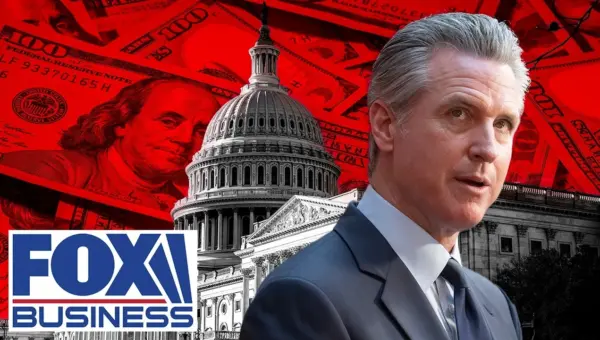
California Faces Claims of Free Gender Care for Migrants
A new report claims California offers free gender-affirming care, including surgeries, to undocumented immigrants. State officials deny these claims, stating Medi-Cal has strict eligibility. The controversy raises questions about state spending and accountability.
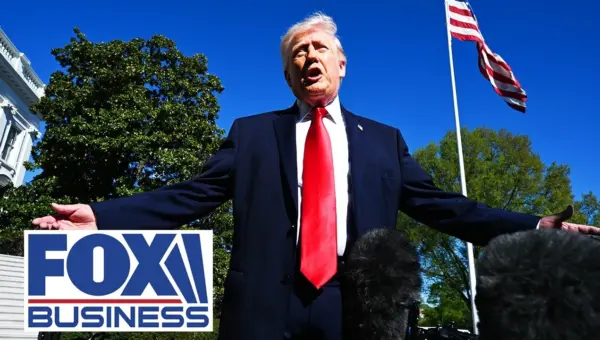
Trump Plans Vast ‘Great American State Fair’ for Nation’s 250th
President Trump is planning a monumental celebration for America's 250th anniversary, featuring a 16-day "Great American State Fair" on the National Mall. The event aims to showcase all 50 states and U.S. territories, with a 210-foot Ferris wheel as a centerpiece. Security is a top priority, with extensive collaboration among federal agencies.

Fraud Scheme Unravels: Is Government Hiding the Truth?
A massive Medicaid fraud scheme in Minnesota is under scrutiny, with allegations of government officials blocking investigations. Candidate Michelle Tafoya discusses the need for accountability and supports legislation to deport fraudsters. The role of journalists in exposing such fraud is also highlighted.