Court Cameras Spark Fair Trial Debate in Robinson Case
The defense for Tyler Robinson, accused in a high-profile killing, argued in court that courtroom cameras violate his right to a fair trial. They contend that extensive media coverage has already created public bias, potentially influencing a jury. A social psychologist testified on how public statements and media can shape perceptions, adding weight to the defense's concerns about jury impartiality.

Court Cameras Spark Fair Trial Debate in Robinson Case
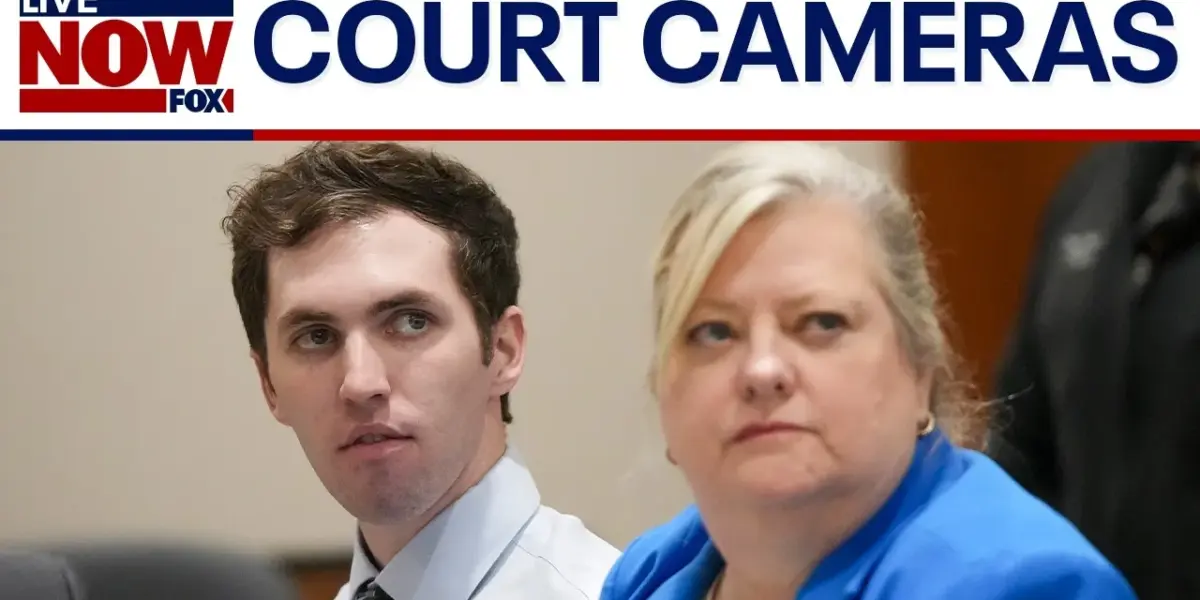
In a Utah courtroom today, the defense for Tyler Robinson, accused in the killing of activist Charlie Kirk, argued that cameras in the courtroom violate his right to a fair trial. Attorneys for Robinson are fighting to keep media cameras out, citing concerns that widespread media coverage has already created a public bias. This bias, they argue, could unfairly influence potential jurors, jeopardizing the integrity of the trial process.
The prosecution, conversely, is expected to emphasize the public’s right to observe court proceedings. Courtrooms are traditionally open forums, designed to ensure transparency.
However, the judge must carefully balance this openness against the fundamental right of the accused to a fair and impartial trial. This involves determining if there are less intrusive ways to allow public access while still safeguarding the defendant’s constitutional rights.
Expert Testimony on Media Influence
Adding a unique dimension to the defense’s argument, a social psychologist testified in court. This expert explained how public statements from influential figures, including politicians, can create strong, preconceived notions about a defendant.
Such statements, especially those calling for severe punishment before a trial concludes, can lead to stereotyping and a lack of empathy for the accused. This psychological impact, the defense argues, makes a fair trial impossible with cameras present to further amplify such narratives.
The expert’s testimony highlighted how group dynamics and media portrayals can influence perceptions. When a person is seen as an ‘out-group’ member, stereotypes are more likely to take hold, reducing empathy.
Conversely, individuals from one’s own group are often viewed as complex individuals, fostering greater understanding. This psychological principle, the defense contends, is being actively exploited by media coverage, potentially poisoning the jury pool.
Jury Selection Challenges in High-Profile Cases
Selecting an impartial jury in a high-profile case like this presents significant challenges. Many potential jurors may have already seen graphic video footage or heard evidence dissected extensively in the media. This prior exposure can lead to firmly held opinions about guilt or appropriate punishment, making it difficult to find individuals who can remain truly open-minded.
The court must identify potential jurors who can set aside any preconceived notions based on public information. They need individuals capable of basing their decision solely on the evidence and arguments presented within the courtroom. This task is particularly daunting when the case has already generated a vast amount of public discussion and visual evidence.
Case Progression and Evidence Delays
Tyler Robinson has not yet entered a plea, a common practice in cases involving the death penalty or the most serious murder charges. In such severe cases, it is crucial for the defense to exhaust every possible avenue to protect the defendant’s constitutional rights. A thorough and fair process is essential to ensure any potential conviction can withstand appeals.
A preliminary hearing is scheduled for May, where prosecutors must demonstrate sufficient evidence to proceed to trial. The defense has requested additional time, arguing they need to review further evidence, including DNA analysis reports. They stated this delay is not due to the prosecution but rather to law enforcement agencies providing the analysis, emphasizing the defense’s obligation to scrutinize all evidence meticulously.
Looking Ahead
The judge’s upcoming ruling on the presence of cameras and the handling of evidence delays will significantly shape the timeline for Tyler Robinson’s case. Future proceedings will focus on the defense’s receipt of necessary evidence and how it impacts the case’s progression. The court’s decisions will offer insight into the delicate balance between public transparency and the fundamental right to a fair trial.
Source: Tyler Robinson: Defense argues court cameras violate right to fair trial (YouTube)

Related Articles
Court Weighs Cameras in Charlie Kirk Murder Case
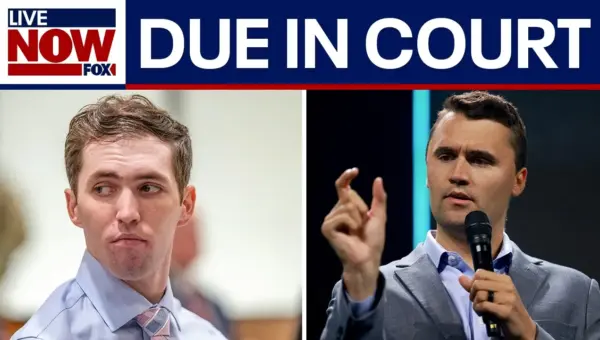
A key hearing is underway today for Tyler Robinson, accused in the murder of Charlie Kirk. The central debate in court is whether to allow news cameras, balancing public access against the defendant's right to a fair trial. Robinson's defense team, bolstered by a social psychologist, argues intense publicity makes an impartial jury impossible. The victim's widow, however, supports camera access, creating a complex decision for the judge.
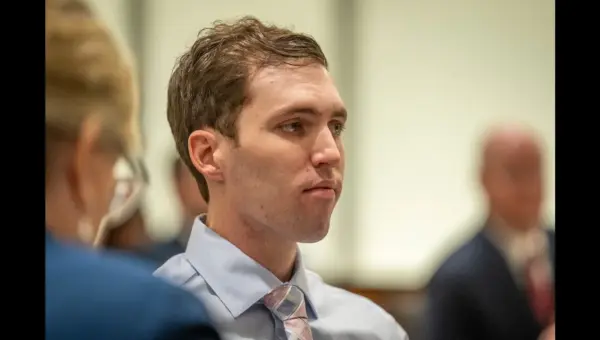
Courtroom Cameras Under Fire in High-Profile Case
Attorneys for Tyler James Robinson are asking to ban courtroom cameras and delay his preliminary hearing. They argue crucial DNA data from federal labs is missing, hindering their ability to challenge the state's case. The prosecution contends the hearing's purpose is only to establish probable cause and the discovery issues are for trial preparation.
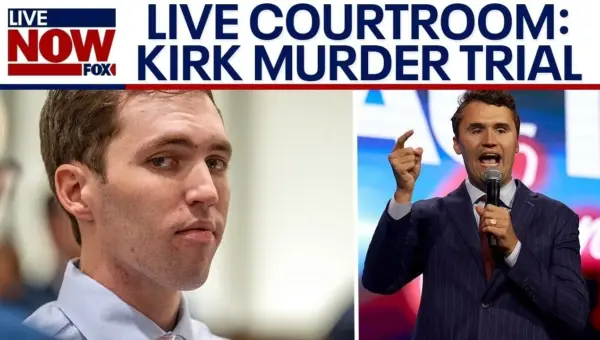
Court Gears Up for Tyler Robinson Trial in Charlie Kirk Case
A Utah court session focused on the Tyler Robinson case, accused of murdering Charlie Kirk. The defense sought to delay the preliminary hearing due to alleged discovery issues with critical DNA data from federal labs. The state countered that the preliminary hearing's purpose is solely to determine probable cause and that the defense's concerns are for trial preparation.