Trump’s ‘Strait of Iran’ Slip Reveals Foreign Policy Missteps
MSNBC host Chris Hayes critiqued President Trump's misnaming of the Strait of Hormuz as the 'Strait of Iran.' Hayes suggested the gaffe highlights broader failures in Trump's foreign policy approach towards Iran and its strategic waterways. The incident raises questions about U.S. credibility and effectiveness in complex international relations.

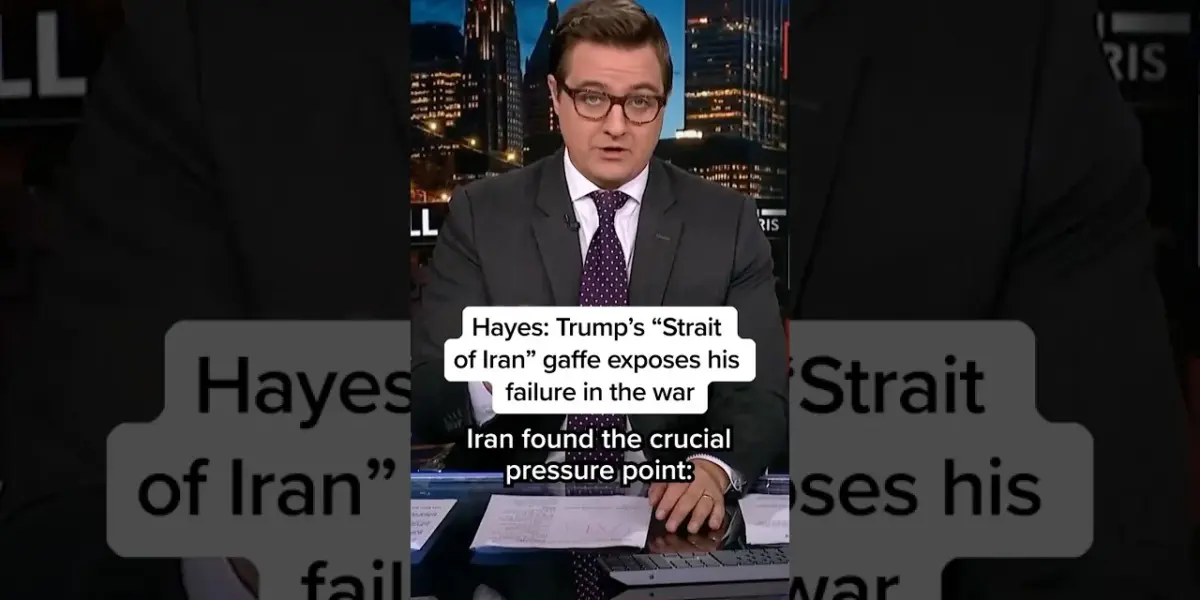
Trump’s ‘Strait of Iran’ Gaffe Highlights Policy Failures
President Donald Trump recently made a significant verbal error, referring to the Strait of Hormuz as the ‘Strait of Iran.’ This slip-up, noted by MSNBC host Chris Hayes, is seen by some as more than just a simple mistake. Hayes suggested it reveals a deeper misunderstanding or failure in Trump’s approach to foreign policy, particularly concerning Iran and its strategic waterways.
The Strait of Hormuz is a vital shipping lane connecting the Persian Gulf to the open ocean. Control over this narrow waterway carries immense global economic and military importance. By misnaming it, Trump’s comment, however unintentional, suggested a concession of control to Iran, a nation with which the U.S. has a complex and often tense relationship.
Navigating International Waters: The Real Strait of Hormuz
The Strait of Hormuz is a critical choke point for global oil transport. Approximately 30% of the world’s seaborne oil trade passes through this narrow passage every day.
Its strategic location means that any disruption there could have immediate and severe impacts on global energy markets and international stability. For decades, maintaining freedom of navigation in this strait has been a key U.S. foreign policy objective.
The U.S. Navy regularly patrols the Strait of Hormuz to ensure safe passage for commercial and military vessels. International law recognizes the right of transit passage for all ships through such international straits. Iran, however, has at times threatened to disrupt shipping in the strait, especially during periods of heightened tension with the U.S. or other global powers.
Hayes’ Critique: A Pattern of Missteps?
Chris Hayes, in his commentary, linked Trump’s ‘Strait of Iran’ remark to a broader pattern of what he views as ineffective or damaging foreign policy decisions. Hayes argued that such gaffes, whether accidental or indicative of deeper issues, undermine U.S. credibility and strategic objectives. He suggested that Trump’s approach to Iran has been inconsistent, failing to achieve desired outcomes like de-escalation or improved relations.
The host pointed out that Trump’s administration pursued a policy of ‘maximum pressure’ against Iran, including sanctions and increased military presence. However, Hayes questioned the effectiveness of these policies, suggesting they have not led to a more stable region. The renaming of the strait, in this view, was a symbolic blunder that inadvertently reinforced a narrative of Iranian dominance in a critical area.
Broader Implications for U.S. Foreign Policy
Mistakes in naming or describing key geopolitical locations can have significant symbolic weight. In international diplomacy, precise language is crucial.
Misspoken words can be interpreted in various ways, potentially creating confusion or signaling unintended shifts in policy. For allies and adversaries alike, such slips can raise questions about a leader’s grasp of complex international issues.
The incident also brings attention to the ongoing challenges in managing U.S.-Iran relations. The Trump administration’s withdrawal from the Iran nuclear deal and subsequent imposition of sanctions created a period of intense friction. Critics argued that this approach isolated the U.S. from European allies and failed to curb Iran’s regional activities or nuclear program.
Looking Ahead: Diplomacy and Strategic Clarity
The ‘Strait of Iran’ comment, while a minor verbal error on its own, is a focal point for larger discussions about U.S. foreign policy effectiveness. Moving forward, observers will watch to see if the U.S. maintains a clear and consistent strategy in the Middle East. The ability to navigate complex geopolitical situations with precision and clarity remains essential for U.S. influence and global stability.
Source: Hayes: Trump's "Strait of Iran" gaffe exposes his failure in the war (YouTube)

Related Articles
US Blockade Tightens Grip on Iran’s Ports
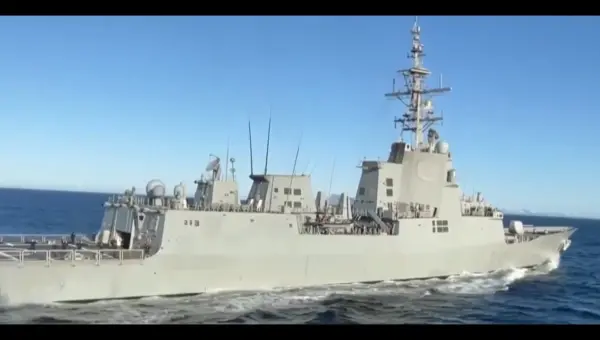
The US military is maintaining a naval blockade on Iranian ports, even as Iran lifts its own blockade in the Strait of Hormuz. This operation restricts ships heading to or from Iranian ports, impacting the country's trade. Meanwhile, increased traffic is seen in the Strait of Hormuz following a US-brokered ceasefire between Israel and Lebanon.
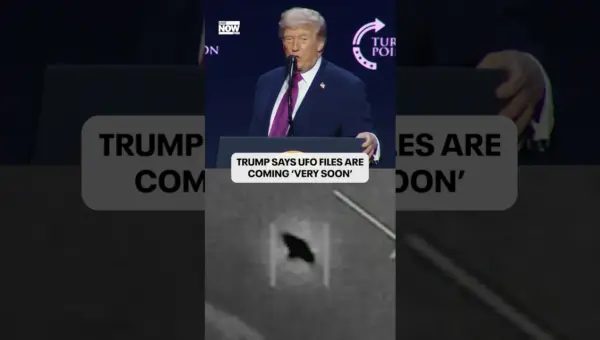
Trump Promises UFO Files Release ‘Very Soon’
Former President Donald Trump announced that government files on UFOs and unexplained aerial phenomena will be released "very, very soon." The review process, initiated during his presidency, has uncovered "very interesting documents." The upcoming disclosures are expected to offer the public a closer look at information previously kept classified.
Trump Claims Strait Open, But Was It Ever Closed?
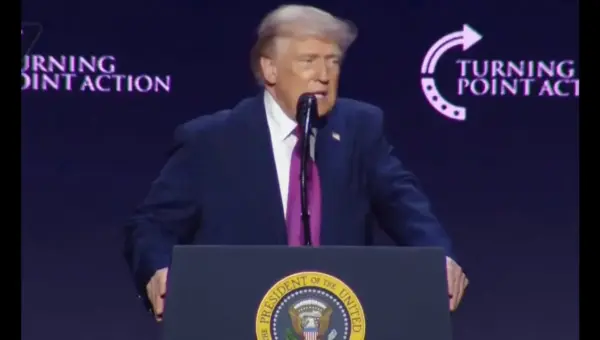
Donald Trump declared the Strait of Hormuz open, but critics question the actual gains given the conflict's cost. Reports from Iran contradict key claims, suggesting the strait may not have been fully closed. This situation raises concerns about accountability and the true impact of foreign policy decisions.