Trump’s Iran Policy: A Gaffe Reveals Stumbling Strategy
The Strait of Hormuz is reportedly open again after months of conflict, but Iran's leverage has grown significantly. Reports also indicate the U.S. may be negotiating to give Iran $20 billion in frozen assets for nuclear material, sparking comparisons to past controversies over Iran policy.

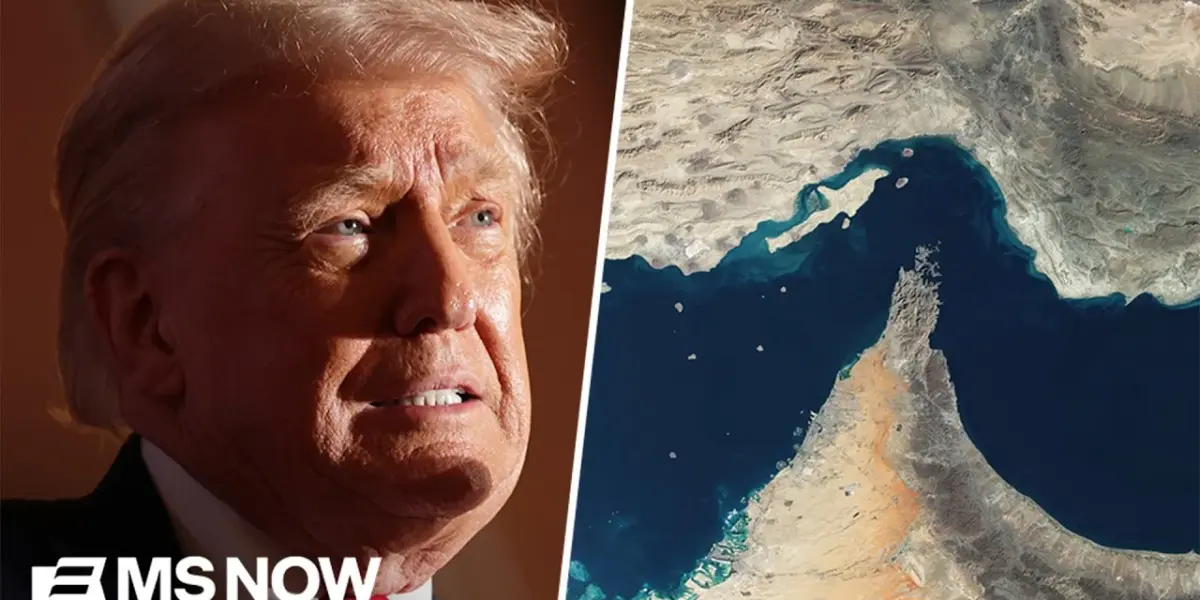
Strait of Hormuz Reopens Amid Shifting Sands
After months of conflict resulting in thousands of deaths and disrupted global shipping, the Strait of Hormuz appears to be open for business once again. Donald Trump announced the waterway was open, a move he previously stated would happen with or without Iran’s approval. However, the situation remains complex, with Iran’s Parliament speaker indicating the strait could be closed again if the U.S. continues its blockade of Iranian ships.
If the strait remains open, it will be due to Iran’s successful negotiation for a ceasefire between Israel and Lebanon, a significant development that underscores who holds the real power in the current situation. Iran effectively used its control over the vital oil route as leverage to bring the United States and Israel to the negotiating table. Trump’s announcement, which he marked by referring to the Strait of Hormuz as the “Strait of Iran,” clearly signals Iran’s dominant position.
A Costly Conflict and a Familiar Pattern
The conflict, which began when Iran shut down the strait, has led to a significant loss of life, including hundreds of schoolchildren in a single bombing incident. This strike alone had a devastating impact, comparable to the Oklahoma City bombing in its shock to the American psyche. 13 American service members were killed, and over a million people in Lebanon were displaced, highlighting the widespread suffering caused by the war.
This situation mirrors a pattern seen in Trump’s foreign policy, particularly his approach to North Korea and China. In both instances, Trump initially employed strong rhetoric and threats, only to later pivot when he realized he lacked sufficient leverage.
His dealings with North Korea resulted in a summit with Kim Jong-un that yielded no progress on denuclearization. Similarly, trade disputes with China saw Trump eventually back down when faced with Chinese economic pressure, particularly concerning soybean exports vital to American farmers.
A Deal for Nuclear Material Sparks Outrage
Adding to the complex situation, the Trump administration is reportedly negotiating a deal that would provide Iran with $20 billion in frozen assets in exchange for abandoning its stockpile of enriched uranium. This potential agreement has drawn sharp criticism, especially from those who remember the intense backlash against the Obama administration’s nuclear deal with Iran. That deal, known as the Joint Comprehensive Plan of Action, also involved releasing some Iranian assets and was subject to international monitoring.
Critics at the time accused the Obama administration of essentially paying a ransom to secure the release of American prisoners and questioned whether such payments emboldened Iran, a state sponsor of terrorism. The imagery of unmarked bills being sent to Iran, reminiscent of drug cartel transactions, fueled these accusations. These past criticisms stand in stark contrast to the current reported negotiations, leading many to question the consistency and rationale behind U.S. policy towards Iran.
Weighing the Outcomes
While the reopening of the Strait of Hormuz and the potential end to the conflict in Lebanon are positive developments, they come at a steep price. The region is now arguably more destabilized, with Iran holding greater geopolitical influence. The control over who passes through the Strait of Hormuz now rests with Iran’s Islamic Revolutionary Guard Corps, who can dictate terms and tolls.
Ultimately, the current situation leaves the region in a more precarious state than it was a decade ago, prior to the collapse of the Iran nuclear deal. The conflict, initiated for reasons that remain unclear, has resulted in immense human suffering and geopolitical fallout. The path forward requires careful consideration of the long-term consequences of these recent developments.
Source: The one Trump gaffe that sums up his entire Iran failure (YouTube)

Related Articles

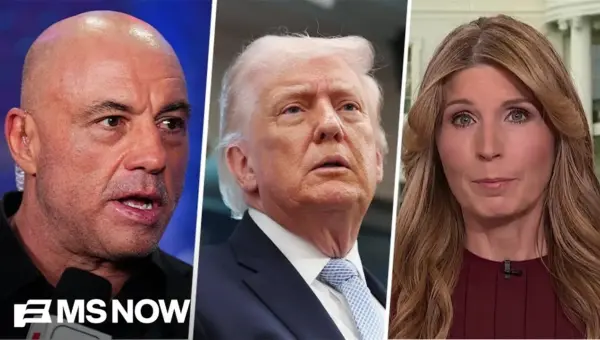
Trump’s Base Fractures as Key Supporters Voice Doubts
Donald Trump's political base is showing signs of division as key supporters voice growing concerns about his actions and statements. Reports indicate a "shocking number" of his supporters have turned against him, particularly within the manosphere and among religious conservatives, who are questioning his leadership on issues from foreign policy to social commentary. This fracturing is impacting his ability to maintain narrative dominance and could have significant implications for future elections.

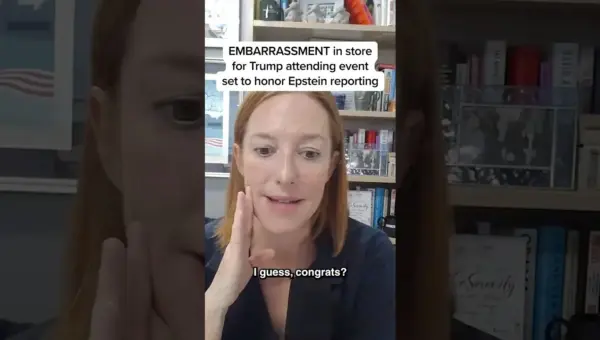
Trump Faces Embarrassment at WHCD Over Epstein Report Honor
Donald Trump is set to attend the White House Correspondents' Dinner, an event that will honor the Wall Street Journal for its reporting on a sexually suggestive birthday message allegedly sent by Trump to Jeffrey Epstein. The former president's attendance is expected to be particularly awkward given his history of conflict with the press and the nature of the award.

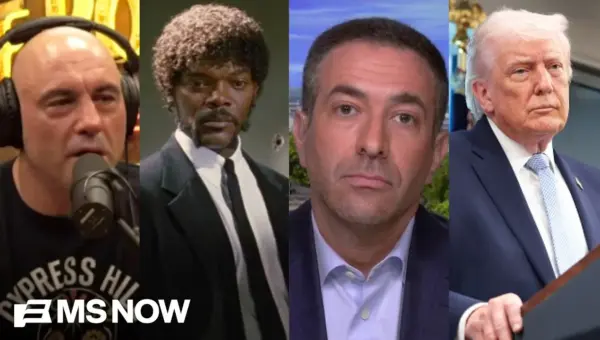
Trump’s War Blunder Rocks Pentagon, Iran Strait Reopens
The Strait of Hormuz has reopened, offering a glimmer of hope for global economic stability, yet conflicting statements from the Trump administration sow confusion. Meanwhile, everyday Americans continue to grapple with the economic fallout of the war, including soaring gas prices and rising inflation, creating a stark divide between Wall Street's gains and Main Street's struggles.