China Shares Spy Satellite Data with Iran
China has reportedly provided Iran with sensitive spy satellite imagery, allegedly used by the IRGC for targeting U.S. bases. This intelligence transfer, obtained in late 2024, offers half-meter resolution for precise military assessments. The development raises concerns about China's role in regional conflicts.

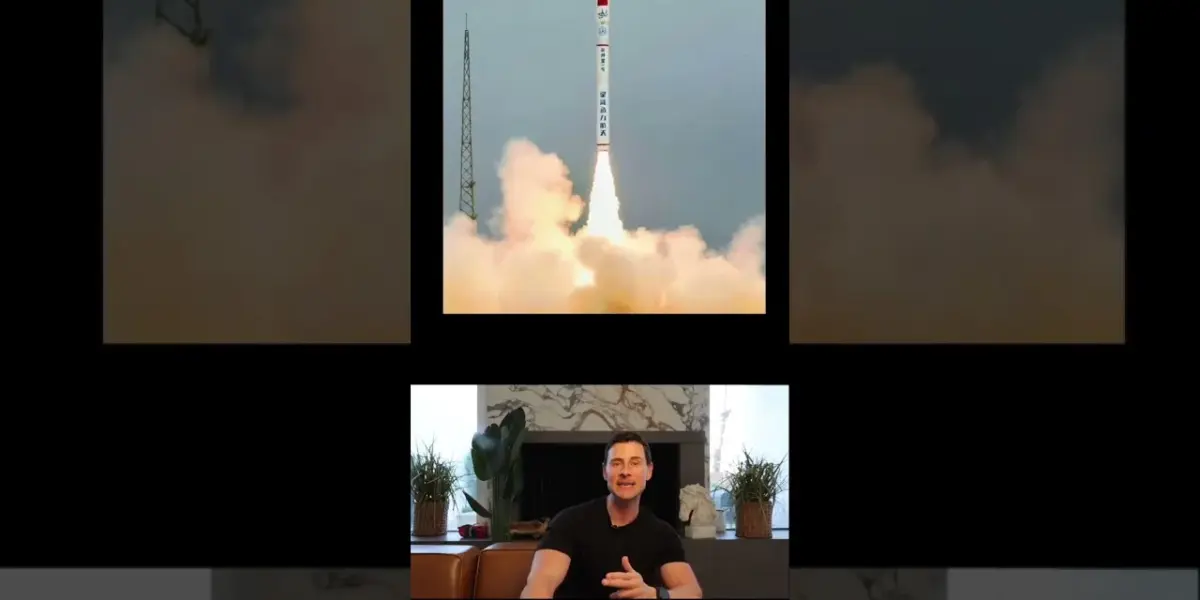
China Shares Spy Satellite Data with Iran
On April 17th, 2026, reports emerged that China has provided Iran with sensitive intelligence. This development involves the transfer of spy satellite imagery, which Iran’s Islamic Revolutionary Guard Corps (IRGC) has allegedly used to plan and assess attacks. The Financial Times reported that Iran obtained this data in late 2024.
The imagery in question is from China’s TEE-01B spy satellite. It reportedly offers half-meter resolution, meaning it can show objects on the ground that are about half a meter wide. This level of detail allows for precise targeting and assessment of military facilities.
IRGC Uses Chinese Imagery for Strikes
According to the reports, the IRGC has used this Chinese satellite data to identify and evaluate targets across the Middle East. This includes strikes against U.S. bases.
One specific instance mentioned is an attack on Prince Sultan Airbase in mid-March. The imagery was reportedly used multiple days around this strike.
Specifically, the satellite data was allegedly used the day before the strike, the day of the strike, and the day after. This allowed the IRGC to understand their targets and assess the damage caused by their attacks. This use of intelligence suggests a coordinated effort to improve targeting accuracy.
Strategic Context and Implications
The sharing of advanced spy satellite imagery represents a significant escalation in military cooperation between China and Iran. Such intelligence is critical for modern warfare. It allows military forces to see enemy positions, movements, and infrastructure from space, much like a high-tech bird’s-eye view.
For Iran, access to Chinese satellite data enhances its ability to conduct precision strikes. This is particularly important when targeting dispersed or hardened military assets. The IRGC can use this information to plan attacks that may bypass existing defenses or maximize damage to enemy capabilities.
For China, this alleged action raises serious questions about its role in regional conflicts. Providing such sensitive intelligence to Iran could be seen as supporting Iran’s military actions. This could have broader implications for China’s relationships with other countries, especially the United States and its allies.
Battle Damage Assessment Explained
Battle damage assessment, or BDA, is a crucial part of military operations. It involves determining the effects of an attack on a target. This is typically done using reconnaissance, such as satellite imagery, drones, or ground reports.
Accurate BDA helps commanders understand if their objectives were met. It also informs decisions about follow-up attacks or adjustments to strategy. Using imagery the day before, during, and after a strike provides a comprehensive picture of the operation’s success.
Historical Parallels
Throughout history, intelligence sharing has played a vital role in warfare. Allies have often shared classified information to gain a strategic advantage. However, providing advanced military intelligence like satellite imagery to a nation engaged in conflict with another major power is a sensitive matter.
Past instances of intelligence sharing have shaped the outcomes of conflicts. This alleged transfer of technology and data between China and Iran could be seen as a modern parallel to such historical alliances. It highlights the growing importance of space-based assets in modern military planning.
Geopolitical Ramifications
This alleged intelligence sharing occurs at a time of heightened global tensions. China’s actions, if confirmed, could further strain its relationship with the United States. The U.S. has previously accused China of supporting Iran’s military programs.
Such cooperation challenges existing international norms regarding military intelligence. It could lead to increased scrutiny of China’s activities and potentially prompt diplomatic responses. The situation highlights the complex web of international relations and military alliances in the current global climate.
The reports indicate that China has a history of denying involvement in sensitive matters. This pattern of denial has been compared to an athlete who might deny using performance-enhancing drugs despite obvious physical changes.
The full extent of this alleged intelligence sharing and its impact on ongoing conflicts remains under observation. Further confirmation and analysis are expected in the coming weeks.
Source: China Just Got Caught Doing Something HUGE To Help Iran's Mullahs (YouTube)

Related Articles
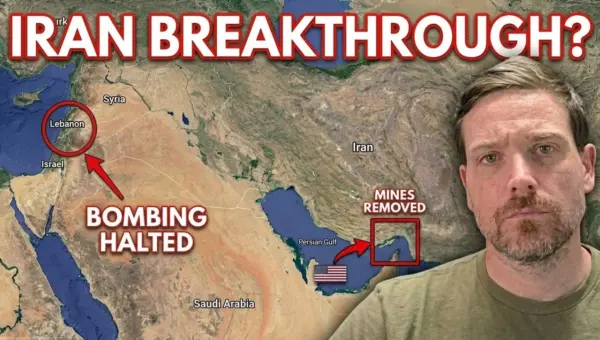
Trump’s Mideast Declarations Spark Hope and Doubt
President Trump's recent statements on the Strait of Hormuz, Iran's nuclear program, and the Israel-Hezbollah conflict have sparked both hope and skepticism. While Iran claims the Strait is open, conditions remain, and the true scope of any nuclear deal is unclear. The fragile Hezbollah ceasefire adds another layer of complexity to the region's volatile situation.

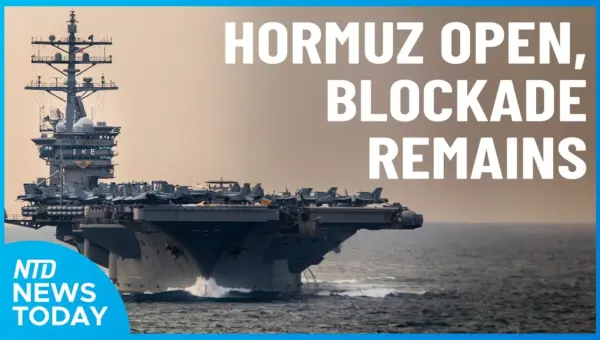
Middle East Peace Deal, FISA Extension Shake Up Politics
President Trump announced Iran's agreement to open the Strait of Hormuz, coinciding with an Israel-Lebanon ceasefire, impacting oil prices and markets. Meanwhile, the Senate extended FISA surveillance powers for 10 days amidst privacy concerns. Health Secretary Robert F. Kennedy Jr. testified on combating fraud and chronic disease.

Iran Deal Boosts Markets, Oil Prices Drop
President Trump's announcement of progress in Iran has spurred a global market rally, with oil prices falling significantly. Initial earnings reports show strong corporate growth, and analysts believe there is further upside potential for the market. The U.S. is also focusing on energy independence, which could boost national revenue.