Pakistan Ports Surge as Middle East Shipping Routes Face Risk
Pakistan's ports are experiencing a significant boom as cargo ships divert from the Middle East due to conflict risks and delays. This surge in activity offers a potential economic boost for Pakistan, though its long-term sustainability is under discussion.


Pakistan Ports See Major Boost Amidst Middle East Shipping Disruptions
Pakistan’s key ports are experiencing a significant surge in activity, driven by ongoing conflicts and risks in the Middle East. With shipping companies actively avoiding traditional hubs due to potential attacks, delays, and rising insurance costs, Pakistan’s ports are emerging as a vital alternative. This shift brings increased cargo, business, and a growing influence on global shipping routes for the nation.
The conflict in nearby Iran, while keeping Pakistan outside the direct war zone, has inadvertently positioned the country advantageously. Pakistan has previously hosted diplomatic talks between the US and Iran, enhancing its international standing. Now, its ports are becoming a crucial alternative for cargo ships that are steering clear of areas like Oman and the UAE due to the perceived dangers.
Record Cargo Volumes Flow Through Pakistani Ports
Official statements highlight a dramatic increase in cargo volume, with one report noting that the entire projected volume for calendar year 2025 was handled in a single month, March 2026. This surge indicates a substantial shift in global shipping patterns. Port authorities express confidence in their capacity, stating they are prepared to handle even ten times the current volume of goods.
The government of Pakistan has responded to this trend by approving new measures to expand its port facilities. These upgrades are designed to manage a greater influx of cargo, ranging from raw materials to large bulk shipments. The expansion aims to solidify Pakistan’s position as a key player in international trade logistics.
Economic Implications and Future Outlook
Pakistan has faced considerable economic challenges for an extended period. The recent escalation of conflict in the Middle East has further impacted the nation by causing fuel prices to skyrocket, forcing families to carefully ration fuel. The potential to capitalize on its growing role as a global shipping hub offers a much-needed economic lifeline for the country.
However, questions linger about the long-term sustainability of this boost. Historical patterns from crises like the COVID-19 pandemic suggest that trade routes often revert to their previous states once immediate disruptions subside. The residual impact of this current shift on Pakistan’s economy remains a subject of debate among experts.
“What happens is afterwards people go back to what had previously been taking place and we see a resumption of uh previous activity,” noted one observer, casting doubt on the permanence of the current advantage. The possibility of a return to pre-crisis shipping norms means Pakistan must strategically plan to retain its newfound importance.
A Strategic Opportunity for Pakistan
If Pakistan can effectively leverage its strategic location and expand its port infrastructure, it could significantly boost its economy. This opportunity comes at a critical time, offering a potential solution to long-standing financial struggles. The increased shipping activity could translate into job creation, foreign investment, and greater economic stability.
The coming months will be crucial in determining whether Pakistan can transform this temporary advantage into a lasting economic benefit. Continued investment in infrastructure and efficient port management will be key to maintaining its competitive edge in the global shipping market.
Source: Are Pakistan’s ports benefiting from the war in Iran? | DW News (YouTube)

Related Articles


Trump’s Iran Deal Tweets Spark Mental Fitness Debate
Amidst a flurry of social media posts declaring victory in Iran negotiations, Donald Trump's stability and the actual gains of the deal are under intense scrutiny. Critics question the substance of his claims, pointing to a return to the status quo and potential concessions to Iran.


Russia’s Donbas Deadline Seen as Bluff Amid Shifting Alliances
Analysts view Russia's deadline for Donbas withdrawal as a bluff amid global distractions caused by the Iran conflict. Ukraine faces difficult choices over territorial compromise, seeking security guarantees in return. Ukrainian strikes on Russian energy infrastructure aim to raise war costs, while broader escalation risks remain low.

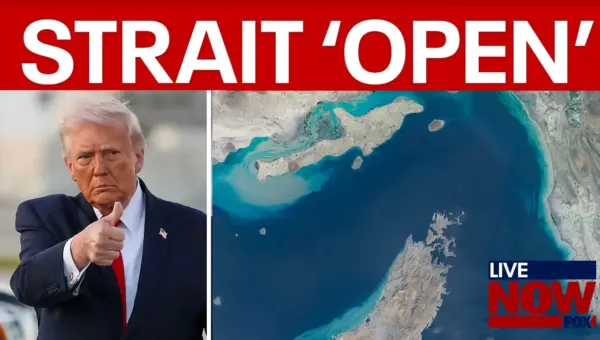
Iran Reopens Strait of Hormuz to Commercial Ships
Iran's foreign minister announced the Strait of Hormuz is now fully open to commercial vessels, following a ceasefire in Lebanon. This vital shipping lane, through which a fifth of the world's oil passes, had been closed since February 28th. The move comes amid international efforts to ensure maritime security and ease economic disruptions.