Auto Giants Boost Military Gear: A WWII Echo?
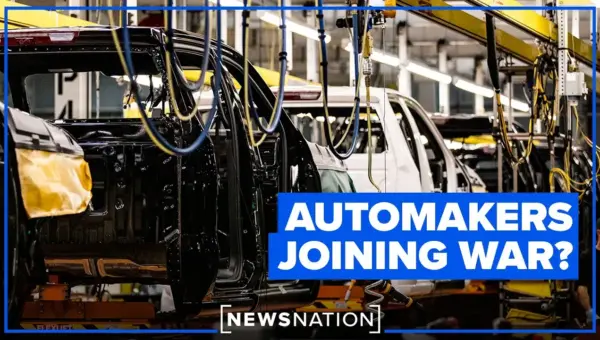
The U.S. military is turning to auto giants like GM and Ford to help replenish its dwindling supplies, echoing World War II's industrial mobilization. Companies will produce essential components, not entire weapons, to ensure the Pentagon is ready for current conflicts.


Auto Giants Boost Military Gear: A WWII Echo?
The U.S. government is turning to familiar names like General Motors and Ford, not for new cars, but for help stocking up the military’s supplies. This move brings to mind the massive industrial effort seen during World War II, when factories quickly shifted from making everyday goods to war materials.
This isn’t about car companies suddenly building tanks from scratch. Instead, companies like GM, Ford, GE Aerospace, and Oshkosh are being asked to produce specific parts. These could be crucial things like wiring, engine parts, or even components for military vehicles.
Why the Sudden Push?
The administration’s goal is clear: ensure the Pentagon has enough supplies for current conflicts. Officials are pointing out that the military’s stockpile is not unlimited and needs to be replenished. This urgency is being described as putting the nation on a “wartime footing,” meaning a serious and immediate focus on defense needs.
Historical Parallel: The Arsenal of Democracy
The idea of American industry supporting wartime needs is a well-worn path. During World War II, President Franklin D. Roosevelt famously called the United States the “arsenal of democracy.” This was a time when American factories became essential in producing vast quantities of weapons, ammunition, and vehicles for the Allied forces.
Companies like Ford famously converted assembly lines to build bombers, while others produced tanks, ships, and aircraft. This industrial mobilization was key to winning the war and demonstrated the power of American manufacturing. The current effort, while on a smaller scale, taps into that same spirit of industrial might.
Commercial Parts, Military Needs
The focus on commercial manufacturers for components highlights a strategic shift. Rather than relying solely on traditional defense contractors, the Pentagon is looking to companies with large-scale production capabilities. This approach can potentially speed up the delivery of needed parts and reduce costs.
Think of it like this: if you need a lot of a specific type of screw, it might be faster and cheaper to get them from a company that already makes millions of screws for cars, rather than building a whole new screw factory. These companies already have the machinery, the skilled workers, and the supply chains in place.
The Role of Components
The specific components mentioned – wiring, propulsion, vehicle parts – are vital for maintaining and deploying military equipment. Even advanced weapon systems rely on these fundamental building blocks. Ensuring a steady supply of these parts is crucial for keeping planes flying, tanks rolling, and communication systems working.
This strategy acknowledges that modern warfare requires a constant flow of supplies, not just large, finished products. It’s about the steady production of essential pieces that keep the larger military machine running smoothly. The Pentagon needs to be able to replace worn-out parts and build new equipment efficiently.
Looking Ahead
This reliance on commercial manufacturing for military components suggests a long-term strategy. It could lead to closer ties between the defense sector and civilian industries. This collaboration might also encourage innovation as companies adapt their commercial technologies for military applications.
The administration’s push to fully stock the military’s needs signals a recognition of ongoing global security challenges. By engaging companies like GM and Ford, the government is aiming to build a more resilient and responsive defense industrial base. This effort is expected to continue as the Pentagon works to meet its supply goals.
Why This Matters
This initiative matters because it directly impacts national security and the economy. For the military, it means a better-prepared fighting force with the necessary equipment and supplies. For the companies involved, it represents new business opportunities and a chance to contribute to national defense.
It also shows how adaptable American industry can be. The ability to quickly pivot manufacturing to meet urgent needs is a strength that has served the country before. This strategy could also help revitalize some manufacturing sectors by providing consistent demand for their products.
The move highlights a potential shift in how the U.S. approaches defense manufacturing. It suggests a move towards a more integrated approach, where civilian industry plays a more direct role in supplying the military. This could lead to more efficient production and a stronger defense industrial base overall.
The full impact of these partnerships will unfold over time. However, the commitment to strengthening military stockpiles with help from major commercial manufacturers marks a significant step. This effort is set to continue through 2024 as the Pentagon aims to secure its supply lines.
Source: Pentagon taps GM, Ford for help with weapons stockpile | NewsNation (YouTube)

Related Articles

Auto Giants Answer War’s Call: A New Industrial Era?
America's auto giants are reportedly being asked by the Pentagon to help speed up weapons production. This move, reminiscent of World War II efforts, aims to boost the supply of critical parts and strengthen national security. The strategy involves integrating commercial manufacturing to fill gaps and ensure readiness in a complex global landscape.


WWII Allies Clashed Over Self-Interest, Not Just Hitler
World War II Allies, including the US, Britain, and the Soviet Union, were driven by self-interest and conflicting post-war visions, not just a shared goal of defeating Hitler. President Roosevelt deliberately undermined Churchill to build ties with Stalin, revealing deep-seated rivalries that shaped the war's outcome and offer lessons for today's diplomacy.


Camaro, Buick Sedan, and More: GM Teases New Models for 2027
General Motors is reportedly planning to bring back the Chevrolet Camaro, introduce a new Buick sedan, and update the Cadillac CT5 for a 2027 launch. This news signals GM's continued commitment to traditional car platforms and performance models.