Auto Giants Answer War’s Call: A New Industrial Era?
America's auto giants are reportedly being asked by the Pentagon to help speed up weapons production. This move, reminiscent of World War II efforts, aims to boost the supply of critical parts and strengthen national security. The strategy involves integrating commercial manufacturing to fill gaps and ensure readiness in a complex global landscape.

Auto Giants Answer War’s Call: A New Industrial Era?
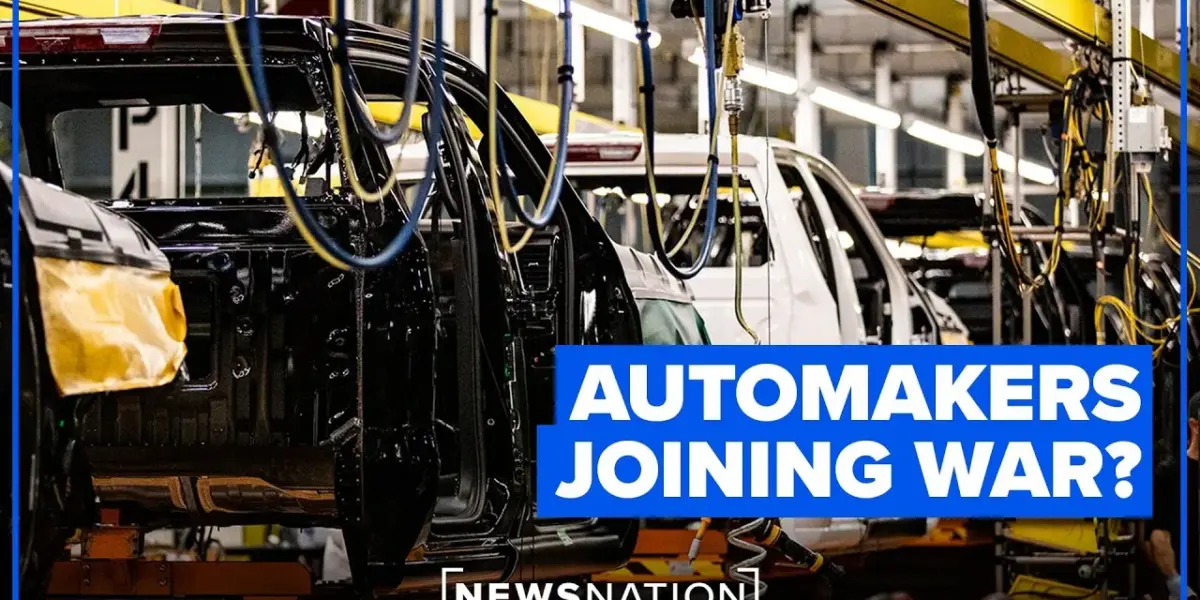
America’s car makers, known for building trucks and sedans, are reportedly being asked to help produce weapons. The Trump administration has spoken with companies like Ford and General Motors about boosting weapons manufacturing. This move brings to mind a similar effort during World War II, but it doesn’t mean car factories will suddenly churn out fighter jets.
Sources indicate the focus is not on building complex weapons from scratch. Instead, the goal is to speed up the production of specific parts.
These could include things like metal castings, wiring, engine components, or even parts for military vehicles. This strategy taps into the existing manufacturing skills and facilities of these large companies.
A Look Back: World War II’s Industrial Might
During World War II, American industry transformed to support the war effort. Car companies, for example, shifted production to build tanks, planes, and jeeps.
This massive mobilization of industrial capacity was crucial to the Allied victory. It showed how private manufacturing could be rapidly reoriented for national defense.
The current situation echoes this historical precedent, though with a different approach. Rather than a complete overhaul of production lines, the Pentagon is seeking to supplement existing defense contractors. This aims to increase the overall output and ensure a steady supply of necessary components.
Why This Matters: Strengthening National Security
The Pentagon’s request highlights growing concerns about the nation’s defense supply chain. With ongoing conflicts in places like Ukraine and tensions involving Iran, the demand for munitions and military hardware is high. Secretary Hegseth has described this as placing the nation on a “wartime footing,” emphasizing the need for speed and increased output.
The U.S. military is reportedly concerned about its inventories of precision munitions and the availability of raw materials. This push to involve commercial manufacturers aims to create redundancy and strengthen the overall national security infrastructure. It’s about ensuring the U.S. can meet its defense commitments both at home and abroad.
The Role of Commercial Manufacturing
The idea is to use the capacity and expertise of companies like Ford, GM, GE Aerospace, and Oshkosh. These companies have been in discussions with the White House for some time.
The goal is to strengthen the national security supply chain by adding layers of production capability. This approach seeks to be resourceful and fill potential gaps.
This strategy involves integrating commercial manufacturing into the defense production pipeline. It’s a way to increase volume and ensure the U.S. has the resources it needs. The Pentagon wants to ensure it has enough weapons and parts to respond effectively to global challenges.
Future Outlook: A Shifting Industrial Focus?
This development suggests a potential shift in how the U.S. approaches defense manufacturing. By bringing in major commercial players, the government aims to create a more resilient and responsive supply chain. This could lead to new partnerships and innovations in how military equipment is produced.
The success of this initiative will depend on how effectively these companies can integrate into the defense production process. It marks a significant effort to adapt industrial might to current global security needs. The coming months will show which companies step up and how this collaboration evolves.
Companies like Ford and GM have a history of adapting their production for national needs. Their involvement could significantly increase the output of critical defense components. This effort is a direct response to the current global security environment.
Source: US automakers asked to help with weapons production: Report (YouTube)

Related Articles


Congress Extends FISA by 10 Days Amid Privacy Debates
Congress has granted a 10-day extension for FISA surveillance authority, pushing the deadline to April 30th amid ongoing privacy concerns. Lawmakers are also grappling with budget battles, particularly for the Department of Homeland Security, exploring reconciliation bills to secure funding. Discussions also highlighted the positive impact of recent tax relief measures on American consumers and small businesses.
Detroit’s War Machine: Automakers Rejoin Arms Race
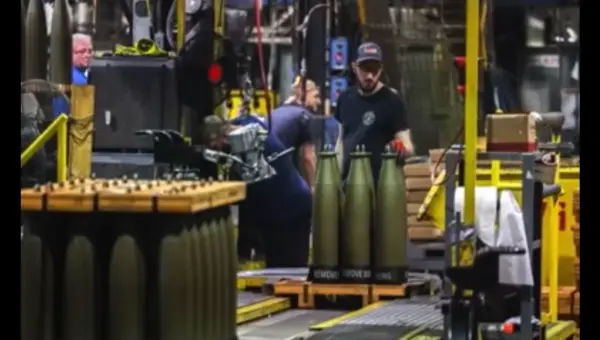
The U.S. Pentagon is in talks with major automakers like General Motors and Ford about shifting production to weapons and munitions. This move echoes World War II-era mobilization and aims to replenish dwindling stockpiles amid global conflicts.


China’s AI Chip Heist Threatens US Military Edge
Lawmakers are warning that China is using smuggling networks to acquire advanced US AI chips, potentially aiding its military. This could be the largest export ban violation in US history, prompting tech rivals to collaborate on protecting intellectual property.