Iran Conflict Fuels Gas Price Hikes Amidst MAGA Division
The U.S. faces rising gas prices and public unease due to the ongoing conflict in Iran. The lack of clear strategy and communication surrounding the military actions has fueled economic concerns and political division. Americans overwhelmingly oppose sending ground troops, while the potential disruption of the Strait of Hormuz looms large.


US Faces Rising Gas Prices Amidst Iran Conflict and Political Division
The United States is grappling with a significant surge in gas prices, directly linked to the ongoing conflict in Iran. This situation is unfolding against a backdrop of internal political division within the MAGA movement and ongoing scrutiny of the nation’s foreign policy decisions. The lack of clear communication and strategic rationale behind the involvement in Iran has left many Americans confused and concerned about the economic fallout.
Uncertainty Surrounds Iran Involvement
The true nature and purpose of the U.S. Military’s actions in Iran remain unclear to many. Unlike past conflicts that had defined objectives, such as the stated reasons for the Iraq War, the current situation in Iran lacks a clear narrative.
This ambiguity is compounded by conflicting statements from various political figures, including former President Donald Trump, who has used terms like “military operation” instead of “war” to avoid the implications of a formal declaration. This linguistic maneuvering mirrors tactics seen in other international conflicts, raising questions about transparency and accountability.
Public Opposition to Ground Troops
Despite the lack of clarity, a strong majority of Americans oppose sending U.S. Ground troops into Iran. Polling data reveals that 76% of Americans are against such a deployment, with significant opposition across all political affiliations, including 80% of Republicans and 83% of independents.
Even within the Democratic party, only a small percentage (4%) support putting troops on the ground. This widespread public sentiment highlights a deep-seated concern about the human cost of war, a sentiment shaped by the difficult experiences of past conflicts like Vietnam and Afghanistan.
Economic Impact: Skyrocketing Gas Prices
The most immediate and tangible consequence of the Iran conflict for Americans is the sharp rise in gas prices. The price at the pump has climbed significantly, with reports indicating averages around $4.20 per gallon, and even higher in places like California. This increase is not limited to gasoline; diesel prices have also surged, impacting crucial sectors like agriculture and transportation.
The ripple effect extends to the cost of everyday goods, as transportation costs for food and other products rise, contributing to broader inflationary pressures. Experts warn that prices may continue to climb due to the lag between oil prices and retail gas costs.
Strategic Concerns Over the Strait of Hormuz
A key point of concern in the Iran conflict is the potential disruption of the Strait of Hormuz, a vital waterway through which a significant portion of the world’s oil and natural gas passes. Control of this narrow passage by Iran presents a significant logistical challenge.
While some argue that Iran has not closed the strait in the past despite military actions, this logic is seen by some as flawed. Conventional wisdom among experts has long warned against provoking Iran due to the potential for them to disrupt oil flow, leading to a sharp increase in global energy prices.
Concerns Over Diplomatic Channels and NATO
The diplomatic efforts surrounding the Iran situation have also drawn criticism. The involvement of figures without official government roles, such as Jared Kushner and Steve Witoff, in negotiations has been questioned. Reports suggest that Iran may be unwilling to engage with these individuals, preferring to speak with more established diplomatic channels.
Former President Trump’s stance on NATO has added another layer of complexity. Despite NATO’s historical role as a crucial military alliance, Trump has expressed skepticism and even hostility towards it. This comes at a time when the alliance’s solidarity is being tested by international conflicts, raising concerns about its future effectiveness and the U.S. Commitment to collective security.
Broader Implications and Public Sentiment
The current situation highlights a disconnect between political rhetoric and public concerns. While foreign policy debates may focus on high-minded issues, voters often prioritize economic stability, as evidenced by past election outcomes. The rising cost of living, directly impacted by the conflict’s effect on energy prices, is a significant factor for many Americans.
This sentiment is echoed by international observers who express shock at the perceived lack of strategic clarity and the potential unraveling of American stability. The approach to the conflict, including the use of military-style language and imagery, has also drawn criticism, particularly given the human cost already incurred.
Looking Ahead
As the conflict in Iran continues and gas prices remain elevated, attention will be focused on the clarity of U.S. Objectives, the effectiveness of diplomatic efforts, and the impact on the global energy market. The upcoming months will be critical in determining the long-term consequences of these events for both the American economy and the nation’s standing on the world stage.
Source: MAGA SPLINTERS on Iran | Gas prices SKYROCKET | SCOTUS weighs Trump's birthright citizenship order (YouTube)

Related Articles

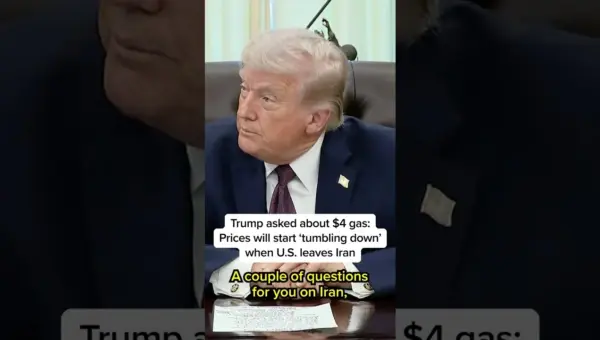
Trump: Iran Exit Will Trigger Fast Gas Price Drop
Former President Donald Trump believes that withdrawing U.S. involvement from Iran will cause gas prices to fall rapidly. He stated that this action would ease pressure on global energy markets, impacting fuel costs for Americans. The comments come as gas prices have risen above $4 per gallon due to supply disruptions.


Trump’s Iran Gambit: A Risky Bet for Global Oil Prices
Donald Trump's potential withdrawal from the Iran conflict could destabilize global oil prices. Leaving allies to manage the Strait of Hormuz risks empowering Iran to control energy markets. This move could lead to significant economic pain worldwide.

Gas Prices Skyrocket Amid Iran Conflict, Experts Warn More Pain
Gas prices have surged to their highest point since 2022, with a jump of over a dollar per gallon in the last month alone. Experts warn that the conflict in the Middle East, particularly concerning the Strait of Hormuz, could lead to further price increases. Residents in Florida are already feeling the pinch, with some facing difficult choices between essential needs and transportation costs.