SCOTUS Protects Christian Counselor’s Speech in ‘Conversion Therapy’ Case
The Supreme Court ruled 8-1 in favor of a Christian counselor challenging Colorado's ban on 'conversion therapy' for minors. Justice Neil Gorsuch stated the state's law improperly targets speech based on viewpoint, violating First Amendment principles. The decision emphasizes the protection of speech against government-enforced orthodoxy.

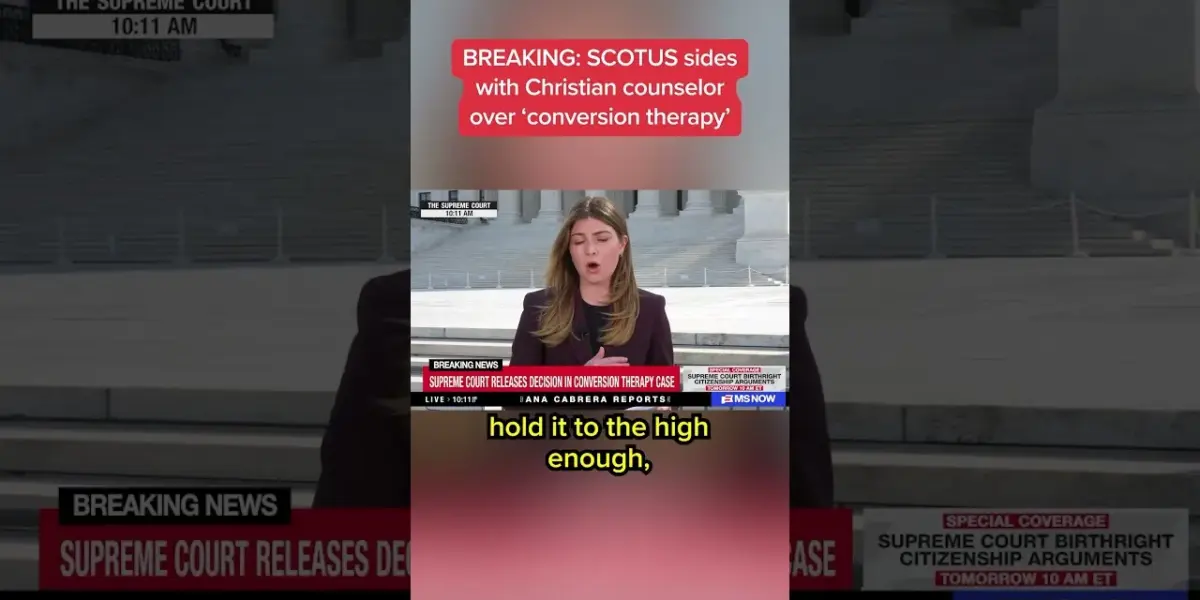
Supreme Court Rules for Christian Counselor on Speech Rights
The Supreme Court has ruled in favor of a Christian counselor challenging Colorado’s ban on ‘conversion therapy’ for minors. In a decisive 8-1 decision, the court found that Colorado’s law, when applied to talk therapy, violates fundamental First Amendment rights. Justice Neil Gorsuch, writing for the majority, stated that the law improperly targets speech based on its viewpoint.
Gorsuch emphasized that the First Amendment is a defense against enforcing specific beliefs or ways of speaking. This ruling centers on the idea that the government cannot dictate what kind of conversations are permissible based on the message they convey. The state’s ban, as interpreted by the court, infringes upon this principle.
Understanding ‘Conversion Therapy’ and the Court’s Decision
So-called ‘conversion therapy’ refers to practices aimed at changing a person’s sexual orientation or gender identity. Many professional medical and mental health organizations consider these practices harmful and ineffective. Colorado, like several other states, had enacted laws to prevent such treatments, particularly for young people.
The counselor at the heart of this case argued that the ban prevented her from providing counseling consistent with her religious beliefs. She contended that the law specifically targeted her ability to discuss certain topics, thereby violating her freedom of speech. The Supreme Court’s decision appears to agree with this perspective, at least concerning the specific application of the law to her counseling practice.
First Amendment and Viewpoint Discrimination
Fundamentally, the Supreme Court’s ruling is about viewpoint discrimination. This means the government is not allowed to ban speech simply because it disagrees with the message. Justice Gorsuch wrote that the First Amendment “stands as a shield against any effort to enforce orthodoxy in thought or speech in this country.”
The court’s majority believes Colorado’s law, by prohibiting counselors from engaging in specific types of talk therapy related to sexual orientation or gender identity, was essentially picking sides on a particular viewpoint. This, they argue, is unconstitutional. The ruling suggests that while states may have legitimate interests in protecting minors, they cannot achieve those goals by silencing certain viewpoints.
Dissenting Opinion Highlights Concerns
Justice Sonia Sotomayor was the sole dissenter in the case. She expressed concern that the majority’s decision could undermine efforts to protect vulnerable LGBTQ+ youth. Sotomayor argued that the ruling might allow harmful practices to continue under the guise of free speech.
Her dissent highlights the ongoing debate about balancing free speech rights with the need to protect individuals from potentially damaging therapies. Critics of the ruling worry that it could open the door for other state bans on controversial practices to be challenged on similar grounds.
Broader Implications for Speech and Therapy
This Supreme Court decision has significant implications for how laws regulating speech and professional conduct are viewed. It reinforces the idea that even in areas concerning sensitive topics like sexual orientation and gender identity, the government faces high hurdles when trying to restrict speech based on its content or viewpoint.
The ruling could influence future legal challenges to similar laws in other states. It also raises questions about the extent to which counselors can express specific viewpoints in their professional practice without violating state regulations designed to protect patients. This case highlights the complex relationship between constitutional rights and public health protections.
What’s Next?
Following this ruling, Colorado and other states will need to re-evaluate their laws banning ‘conversion therapy.’ The focus will likely shift to how these laws can be written or applied in a way that does not run afoul of the First Amendment. Further legal battles over the specifics of such regulations are possible as states try to balance protection and free speech principles.
Source: BREAKING: SCOTUS sides with Christian counselor over 'conversion therapy' (YouTube)

Related Articles
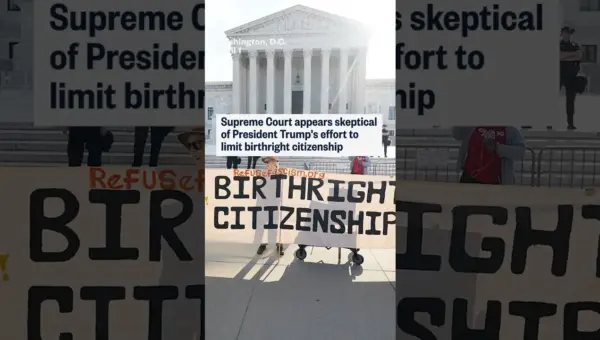
Justices Skeptical of Trump Bid to End Birthright Citizenship
The Supreme Court heard arguments on President Trump's bid to end birthright citizenship for children of undocumented immigrants. Justices expressed skepticism about the president's power to make such a change, questioning its broad impact on the 14th Amendment. The court's decision could redefine who is considered an American.
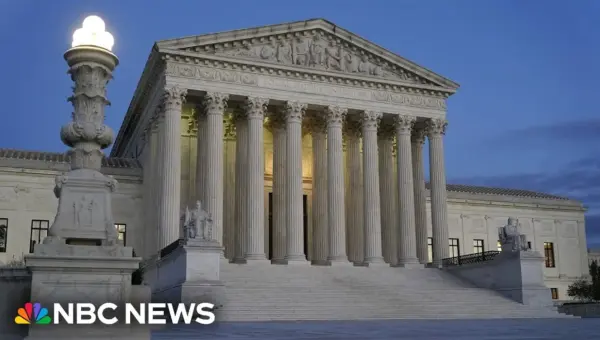
Supreme Court Weighs Birthright Citizenship in Key Case
The Supreme Court heard arguments on birthright citizenship, focusing on the 14th Amendment's Citizenship Clause. The government argued that citizenship requires not just birth in the U.S. but also a lawful domicile and allegiance to the country. Justices questioned the historical interpretation and the implications for modern immigration.

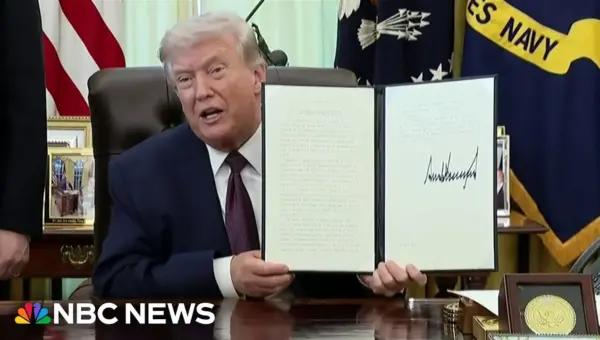
Trump Weighs Birthright Citizenship, Mail-In Voting EO
President Trump signaled his intent to attend Supreme Court arguments on birthright citizenship, a move considered highly unusual for a sitting president. Simultaneously, he signed an executive order aiming to alter mail-in ballot procedures through the Postal Service, an action expected to face legal challenges. The order targets voter verification for mail-in ballots, reflecting ongoing concerns about election integrity.