GOP Leaders Plan DHS Funding After Trump Border Pressure
House Speaker Mike Johnson and Senate Leader John Thune have announced a plan to fully fund the Department of Homeland Security, separating out funding for ICE and Border Patrol. This two-track approach aims to secure broader DHS funding while using reconciliation to push through GOP priorities for border security, following pressure from former President Trump.


GOP Leaders Unveil DHS Funding Plan
House Speaker Mike Johnson and Senate Leader John Thune announced a plan to fully fund the Department of Homeland Security (DHS), including Customs and Border Protection (CBP). This move comes after former President Donald Trump urged Republicans to pass a bill funding ICE and Border Patrol by June 1st.
Trump’s statement on Truth Social increased pressure on lawmakers to act. Speaker Johnson and Leader Thune stated they would heed the President’s request and pursue a “two-track approach” to achieve this goal.
Two-Track Funding Strategy Explained
The strategy involves separating funding for different parts of DHS. The House is expected to consider a Senate bill that would fund all of DHS through the end of the fiscal year. However, this bill would exclude funding for ICE and Border Patrol.
Republicans plan to use a process called reconciliation to try and secure funding for ICE and Border Patrol for the next three years. Reconciliation allows certain budget-related bills to pass with a simple majority vote in the Senate, bypassing the need for bipartisan support.
Separating DHS Funding
This two-track system means Republicans aim to fund the majority of DHS, which includes agencies like the Coast Guard, TSA, and FEMA, on their own. They will then attempt to pass separate funding for ICE and CBP.
The idea behind this separation is the belief that Democrats would not support a combined bill that includes the specific GOP priorities for border security funding. It remains unclear if Democrats will support the initial plan to fund most of DHS while excluding ICE and Border Patrol.
Senate Bill’s History and House Democrats’ Stance
The bill to fund all of DHS, excluding ICE and Border Patrol, previously passed the Senate unanimously, with all 100 senators supporting it. House Democrats had indicated they would support this bill if it came to the floor for a vote.
However, Speaker Johnson had not brought it up for a vote previously. This new plan suggests a shift in strategy by the House leadership.
Reconciliation Bill Faces Hurdles
Passing a reconciliation package for ICE and CBP presents a significant challenge. There are reports that Republicans may also want to include funding for potential military action in Iran within this package. The Pentagon estimates this could cost around $200 billion.
While reconciliation is seen as a way to bypass Democratic opposition, some fiscal conservatives are already demanding spending cuts elsewhere in the government to offset these costs. These demands could lead to difficult negotiations and potentially impact other government programs, similar to past debates that involved cuts to programs like Medicaid.
Potential Consequences and Future Outlook
This plan could potentially end the threat of a DHS shutdown, which has been the longest in history. However, the use of reconciliation for border funding and potential war funding opens up a complex set of political and fiscal issues.
Funding a war by cutting essential government programs like Medicaid is a politically risky move. The coming weeks will be critical in determining how these funding battles play out and what compromises, if any, will be reached before the June 1st deadline.
Source: BREAKING: Johnson and Thune announce 'path forward' to full fund DHS (YouTube)

Related Articles


Trump Discusses Tiger Woods, Border Security, and Iran
President Donald Trump addressed reporters in Miami, expressing concern for Tiger Woods following an accident. He also criticized Democrats over immigration policy, linking it to the DHS funding debate and claiming open borders allow criminals to enter the U.S. On Iran, Trump stated the country is being "decimated" and that talks are underway.

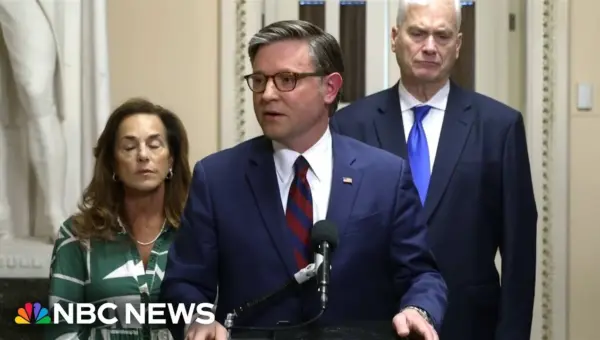
House Speaker Plans New DHS Funding Bill, Rejects Senate Deal
House Speaker Mike Johnson is proposing a new funding bill for the Department of Homeland Security, rejecting the Senate's current deal. The House aims to pass a "clean, simple, continuing resolution" to fund DHS agencies until May 22nd. This move seeks to ensure essential services continue without being tied to contentious policy debates.

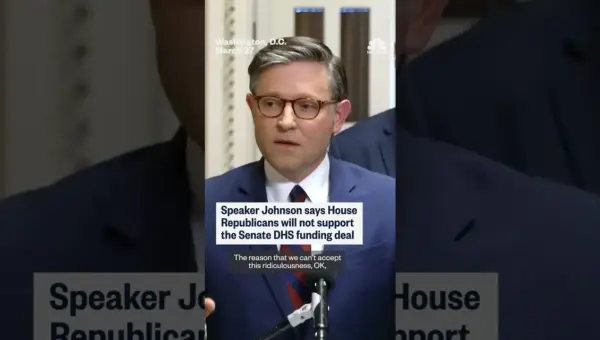
Johnson Rejects Senate DHS Funding, Pushes Clean Resolution
House Speaker Mike Johnson announced that House Republicans will reject the Senate's proposed Department of Homeland Security funding deal. Instead, the House will pursue a clean continuing resolution to extend current funding levels for critical security agencies until May 22nd. This move aims to ensure uninterrupted operations for 10 DHS agencies.