Supreme Court Debates Mail-In Ballots Received After Election Day
The Supreme Court heard arguments on whether states should count mail-in ballots received after Election Day, even if postmarked on time. The case could impact voters in over a dozen states, including military personnel serving abroad. A decision is expected by the end of June.

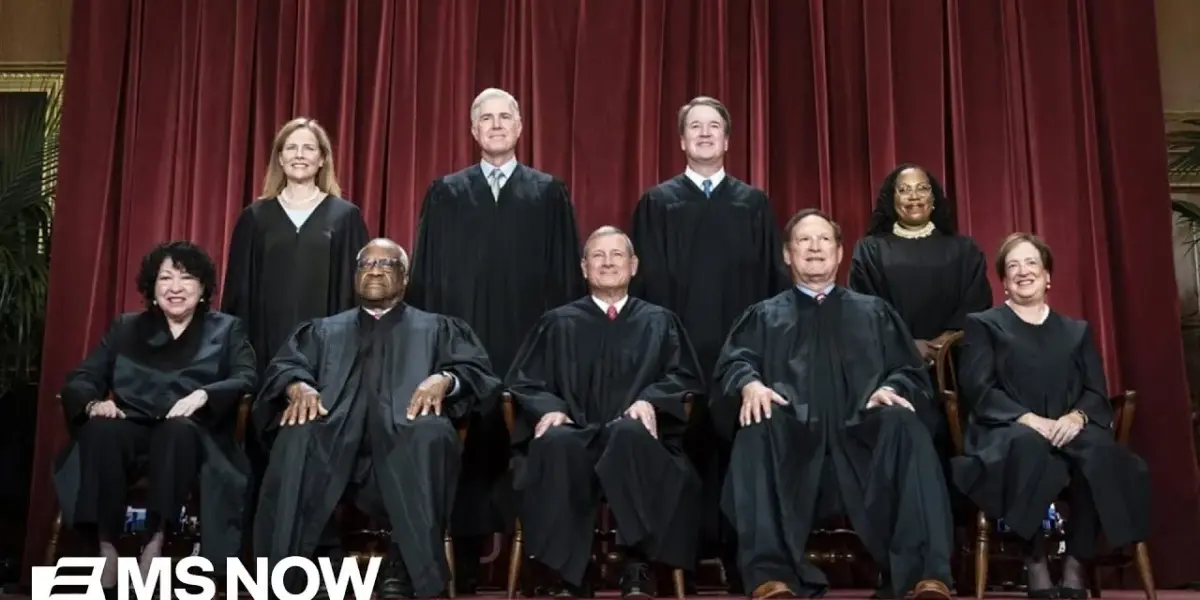
Supreme Court Hears Key Case on Mail-In Ballot Deadlines
The Supreme Court is considering a major case that could affect voting in upcoming elections. The case, brought by the Republican National Committee (RNC), asks whether states should count mail-in ballots that arrive after Election Day. Even if these ballots are sent on time and postmarked correctly, they might not be counted.
This legal challenge could impact voters in over a dozen states. It may particularly affect elderly and disabled voters who find it difficult to vote in person.
Native Americans often rely on mail-in voting because in-person options are limited in some areas. Black voters also face challenges, including longer wait times and changes to polling locations.
Arguments Presented to the Court
During the court hearing, lawyers for both sides presented their arguments. The central question revolved around when a ballot is considered officially cast and final. Some conservative justices seemed to question the idea of a ballot being truly final before it is received and counted by election officials.
They suggested that allowing ballots to be counted after Election Day infringes upon a state’s right to set its own election rules. Mississippi, for example, argued that federal law clearly defines Election Day as the first Tuesday after the first Monday in November.
The state’s argument suggested that states should not be allowed to offer a grace period for mail-in ballots. This would mean that any ballot arriving after the official Election Day deadline would not be counted, regardless of when it was mailed or postmarked. This interpretation could invalidate laws in many states that currently allow for a brief period after Election Day to receive and count valid mail-in votes.
Impact on Voters and Military Personnel
Legal experts noted that the outcome of this case could have significant consequences. The current system in about 18 states and one territory allows for ballots to be postmarked by Election Day and counted for a period afterward. This flexibility is important for various groups of voters.
It helps people who work jobs that prevent them from voting during polling hours. It also aids disabled individuals who may face difficulties getting to the polls.
A particular focus during the arguments was the situation of U.S. Military members serving abroad and other citizens living overseas. For these individuals, mail-in voting is often the only practical way to cast a ballot.
Lawyers argued that federal law already provides protections for these service members to ensure they have the opportunity to vote. Insisting on a strict Election Day receipt deadline could effectively nullify these federal provisions and disenfranchise those serving the country.
Justices’ Questions and Potential Ruling
Some observers felt that the arguments did not go particularly well for Mississippi’s legal team. Scott Stewart, who successfully argued the Dobbs case that overturned Roe v. Wade, was representing Mississippi.
Reports from inside the courtroom suggested he did not have as strong a showing as in previous high-profile cases. While the court heard arguments, no immediate decision was announced.
The justices raised questions about the practicalities of voting for citizens living abroad and those in the military. They explored whether a ballot is final when cast or when received and counted. The core of the debate centers on whether states can extend the counting period beyond Election Day for mail-in ballots that were properly submitted.
Looking Ahead to the Decision
A ruling in this case is expected by the end of June. The decision could either uphold or strike down existing state laws that allow for mail-in ballots to be counted after Election Day.
This will have a direct impact on how votes are processed in future elections, particularly in states with established grace periods for absentee and mail-in voting. The court’s decision will clarify the rules surrounding ballot deadlines and could affect voter turnout and election outcomes.
Source: Supreme Court hears case on whether states should count mail-in ballots received after Election Day (YouTube)

Related Articles
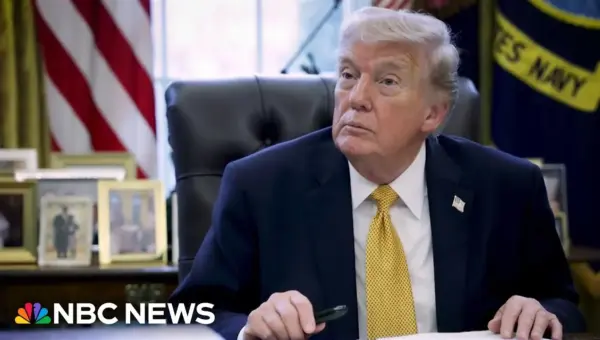
Federal Courts Act as Check on Trump’s Second-Term Agenda
Federal courts are increasingly acting as a check on President Trump's second-term agenda, blocking key policies on immigration, health, and tariffs. Despite Congress's limited oversight, judges have intervened in over 150 cases. The Supreme Court, while sometimes siding with the administration, has also placed limits on presidential emergency powers.


Democrats Face Voter ID Vote Dilemma
Ten Democratic lawmakers are facing a crucial vote on voter identification laws. The debate centers on requiring proof of citizenship and real IDs for voting and mail-in ballots. This issue highlights the ongoing tension between election security and voter access.
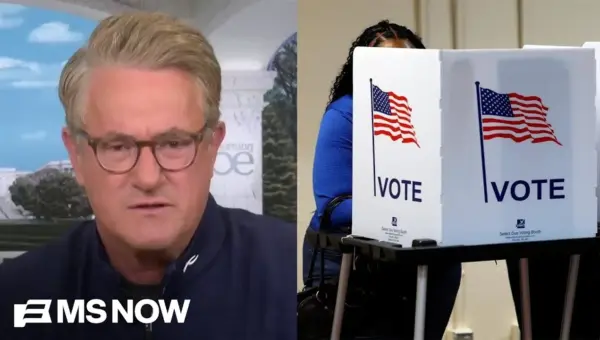
Joe Scarborough Slams GOP’s SAVE Act as Voting Obstacle
Joe Scarborough has fiercely criticized the Republican-backed SAVE Act, labeling it a manufactured crisis designed to suppress votes. He argues the bill creates unnecessary hurdles for eligible voters rather than addressing real election security concerns. The legislation has ignited a debate over voter ID laws and their potential impact on democratic participation.