US-Iran Ceasefire Talks Advance Amid Mixed Signals
Negotiations between the U.S. and Iran are advancing towards a potential ceasefire extension, with Pakistan mediating a framework agreement. While Iran sends mixed signals, threatening the Red Sea but open to discussing the Strait of Hormuz, the core issue remains Iran's nuclear ambitions. The war's necessity and economic costs face growing international criticism.

US-Iran Ceasefire Talks Advance Amid Mixed Signals
Negotiations between the United States and Iran appear to be progressing towards a potential ceasefire extension, according to reports. Sources indicate that both nations, with Pakistan acting as a mediator, are working on a broad framework agreement. This deal would lay the groundwork for a more detailed, final accord. The aim is to agree on the general terms first, then extend the current ceasefire to allow more time for ironing out the specific details.
Ceasefire Extension Likely, In-Person Talks Possible
While a formal request for a ceasefire extension has not yet been made by the U.S., engagement remains active. Axios national security editor Dave Lawler noted that the U.S. has not officially requested an extension, but the situation is fluid. “Our reporting at Axios is that they are attempting… working on a framework agreement, sort of a big picture agreement,” Lawler explained. This suggests that the ceasefire is likely to be extended, at least temporarily. There is also a possibility of a second round of in-person talks, though no date has been set, and no final decision on the extension has been announced.
Pakistan Mediates As Tensions Simmer
A Pakistani delegation has arrived in Tehran, signaling ongoing diplomatic activity. This visit underscores the crucial role Pakistan is playing in facilitating communication between the U.S. and Iran. While progress is being made behind the scenes, public statements from Iran have sent mixed signals. Tehran has threatened to close the Red Sea if the U.S. continues its blockade of Iranian ports. However, Iran has also indicated a willingness to allow some shipping through the Oman side of the Strait of Hormuz. This partial opening would be contingent on President Trump lifting the blockade.
Strait of Hormuz: A Point of Contention
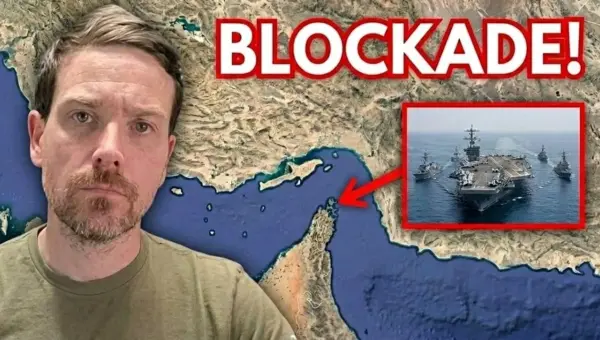
The Strait of Hormuz remains a key area of focus and potential escalation. Iran’s threats to close the Red Sea are seen as a way to highlight the potential downsides for the U.S. if an agreement is not reached. Conversely, allowing some shipping through the Strait of Hormuz signals a potential willingness to de-escalate. U.S. Central Command reported that no ships violated the American blockade in the Gulf of Oman during its first two days. A total of nine vessels reportedly complied with U.S. Navy directions to turn back.
Nuclear Ambitions Remain the Core Issue
Vice President J.D. Vance has hinted that a potential deal could involve an end to the naval blockade, sanctions relief, and the release of billions in frozen Iranian assets. In return, Iran would need to abandon its nuclear ambitions. This has been described as a “grand bargain.” However, the nuclear issue itself remains the primary sticking point in negotiations. Some international partners, including Israel and certain Gulf leaders, along with some U.S. officials, are pushing for a broader agreement. They advocate for addressing Iran’s missile program and its regional proxy network in addition to its nuclear program.
US Focus Remains Primarily on Nuclear Deal
Public statements from the Trump administration, particularly since the initial talks in Islamabad, have emphasized the nuclear issue as the main priority. The U.S. seeks assurances that Iran cannot enrich uranium in the near term and will give up its stockpile of highly enriched uranium. A resolution on this front, coupled with the opening of the Strait, would be considered a significant success. While some are pushing for a more comprehensive agreement, the immediate focus appears to be on a nuclear-for-sanctions-relief exchange.
International Criticism Mounts Over War’s Necessity
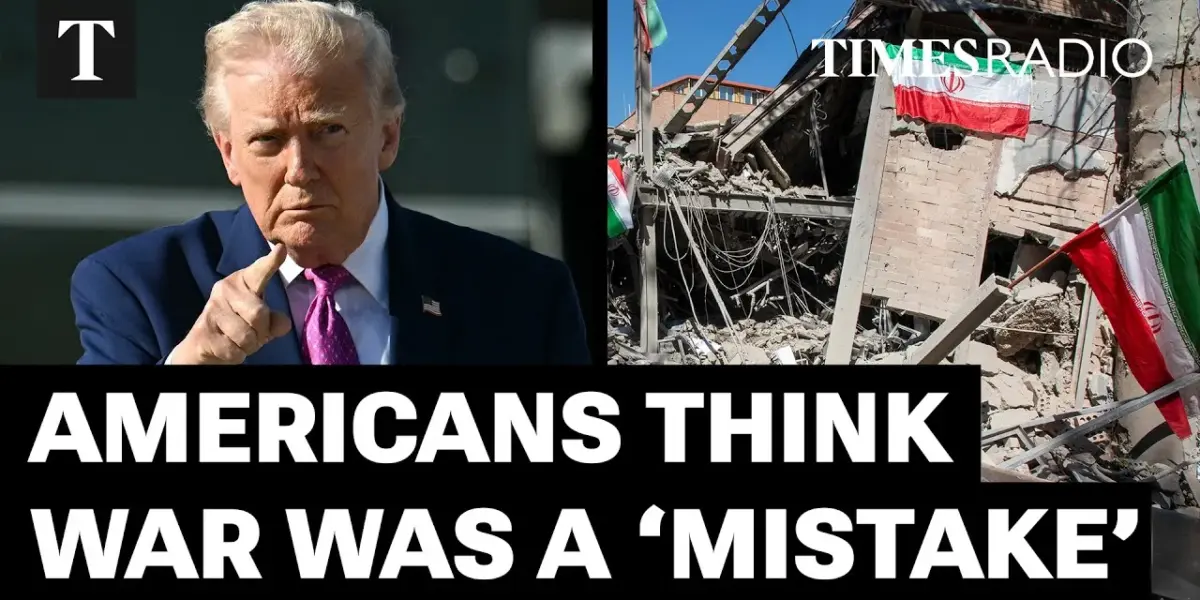
The war has faced significant international criticism, with its approval rating in the U.S. reportedly in the mid-30s. Many Americans believe the war was a mistake and question whether the economic costs, such as higher gas prices, are justified by the security benefits. This sentiment was echoed by UK Chancellor Rachel Reeves at an IMF meeting in Washington, who called the war a mistake. Her comments came as President Trump had publicly criticized the UK and hinted at changes to the U.S.-UK trade deal. European governments, including France and Italy, have also taken a more critical stance towards Trump’s foreign policy decisions, reflecting a broader international opinion that questions the necessity and economic impact of the conflict.
Looking Ahead: Diplomacy and Potential Escalation
The coming days will be crucial in determining whether the ceasefire is extended and if a framework agreement can be reached. Both sides continue to signal their positions, with Iran threatening escalation in the Red Sea while also showing willingness to negotiate on the Strait of Hormuz. The U.S. focus remains on Iran’s nuclear program, but the pressure for a broader deal persists. International opinion, particularly regarding the war’s economic costs, could also play a role in shaping the diplomatic landscape.
Source: Trump’s War In Iran Plummets In The Approval Ratings (YouTube)

Related Articles
Iran Blockade Sparks War Concerns, Backfires on US, Expert Warns
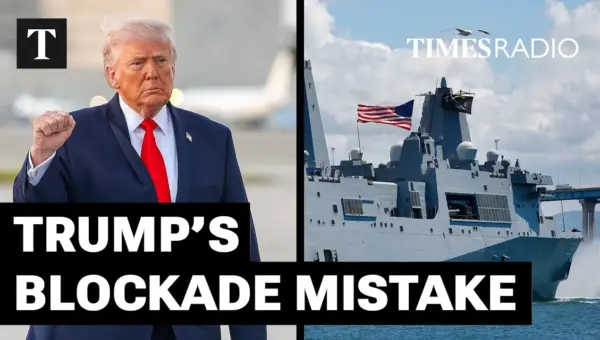
The U.S. blockade on Iranian ports, aimed at crippling its economy, is sparking concerns of an "act of war" and may backfire, according to former diplomat Barbara Leaf. While the U.S. and Iran prepare for potential peace talks, hardline rhetoric and the blockade's global economic impact complicate diplomatic efforts. A key concern is a potential confrontation with China if U.S. forces intercept Chinese vessels.

Trump’s Blockade Fails, Allies Shun Mission: A Pattern?
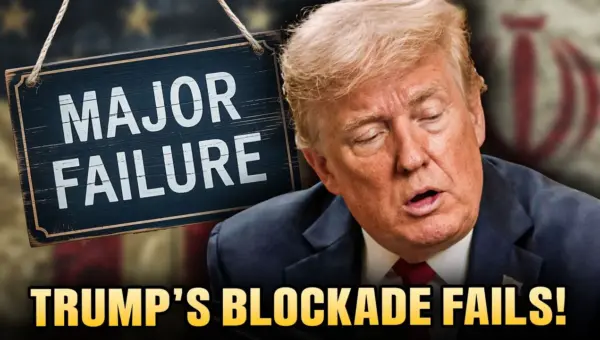
A reported failure of Donald Trump's blockade of the Strait of Hormuz, with ships passing through unimpeded, raises questions about policy effectiveness. This incident, coupled with allies' reluctance to join the mission, suggests a pattern of unintended consequences and strained international relations.
US Navy Blockade Tightens Grip on Iran’s Oil
The US Navy has imposed a strict blockade on Iranian ports, aiming to cripple the nation's oil exports and economy. With warships enforcing the closure, Iran faces significant financial pressure. The long-term effectiveness and potential for escalation remain key concerns.