US Navy Blockade Tightens Grip on Iran’s Oil
The US Navy has imposed a strict blockade on Iranian ports, aiming to cripple the nation's oil exports and economy. With warships enforcing the closure, Iran faces significant financial pressure. The long-term effectiveness and potential for escalation remain key concerns.

US Navy Blockade Tightens Grip on Iran’s Oil
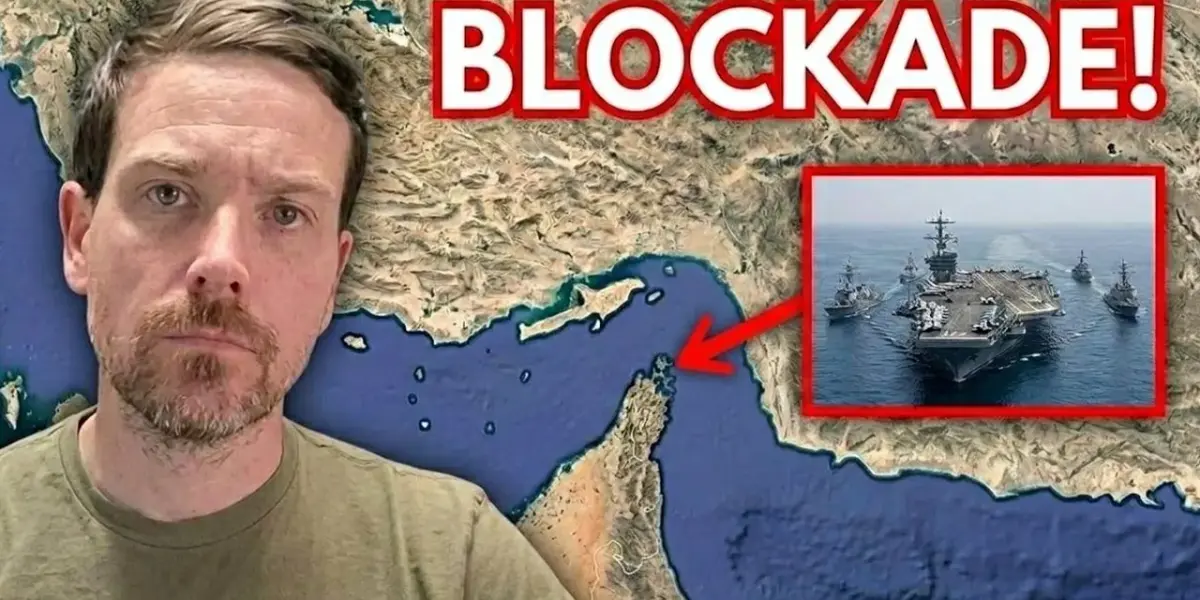
The United States Navy has put a significant chokehold on Iran’s oil exports with a formal blockade of its ports. This bold move aims to cripple Iran’s economy by stopping all ships from leaving or arriving at Iranian ports in the Persian Gulf. The US Central Command has made it clear: ships attempting to breach the blockade will be boarded and seized. If they don’t comply, the Navy is ready to use force.
This naval action comes as a ceasefire between the US and Iran is mostly holding, though tensions remain high. While President Trump initially hinted at extending a ceasefire, he quickly clarified that it wasn’t needed. The real fight continues between Israel and Hezbollah, a conflict Iran wants included in any larger ceasefire deal, but Israel does not. For now, this aspect of the conflict seems to be set aside in US-Iran negotiations.
Blockade Details and Initial Impact
The blockade involves over 15 US warships. The primary targets are ships leaving Iranian ports. The US is using satellite surveillance, shipping data, and intelligence to track any violations. Interdictions are planned to happen away from the Strait of Hormuz to avoid Iranian attacks. In the first 48 hours, US Central Command reported that no vessels managed to pass the blockade. Nine ships have already turned back towards Iran when directed by US forces.
However, there are differing views on the blockade’s effectiveness. Some experts suggest it’s having a limited effect, with ships either turning around in the Strait of Hormuz or staying close to Iran’s coast. The situation is made more complex by ships going “dark” – turning off their tracking systems – and using GPS spoofing to hide their true locations and origins. This creates confusion, making it hard to get a clear picture of actual shipping traffic.
Overall, shipping traffic through the Strait of Hormuz has decreased in recent days. Reliable sources indicate traffic is down to about 10 to 20 ships per day, but it hasn’t dropped to zero. The key question is how the US will enforce the blockade if ships attempt to push through. The escalation ladder could range from warning signals to boarding and, ultimately, firing on a vessel. The response would depend heavily on the ship’s origin and destination, and who owns it.
Iran’s Response and Wider Implications
Iran has warned that if the blockade continues, it will retaliate by disrupting shipping in other critical waterways. This includes the Persian Gulf, the Sea of Oman, and even the Red Sea. Iran’s armed forces stated they will not allow any exports or imports to continue in these areas if the blockade creates insecurity for their commercial and oil vessels. This threat is particularly concerning regarding the Red Sea, where Iran-aligned Houthi forces could potentially shut down the Bab el-Mandeb strait, a vital shipping lane.
President Trump’s approach to the blockade is described as “all or nothing.” Unlike Iran’s previous method of controlling the strait by selectively allowing certain ships through and charging tolls, the US blockade aims to shut down all traffic. This is a significant shift, as the Strait of Hormuz has always been a potential choke point that Iran could close at any moment.
Historical Context and Economic Pressure
The Strait of Hormuz is a critical chokepoint for global oil transportation. For decades, its security has been a major concern for international powers. Iran has previously threatened to close the strait in response to international pressure, often using methods like laying mines or harassing shipping. The current US blockade is a more direct and forceful approach to control this vital passage.
Economists estimate that the blockade could cost Iran $435 million in economic activity daily. Without exports, Iran’s oil storage capacity could fill up in about 13 days, forcing them to shut down oil wells. This could cause severe damage to their oil fields and cost billions in lost annual revenue. The hope is that this economic pressure will force Iran to make concessions at the negotiating table.
Why This Matters
The success of this blockade hinges on its duration. Experts suggest that a short-term blockade of only a week or two might not achieve the desired results. Iran might believe President Trump will not sustain the pressure for long. For the blockade to be effective in pushing Iran towards significant concessions, it needs to be maintained for a substantial period, allowing the economic pain to truly impact the regime.
This strategy draws parallels to the economic sanctions imposed on Russia. Many believed those sanctions would force Vladimir Putin to negotiate, but Russia proved willing to endure significant economic hardship. The question remains whether Iran’s regime, fighting for its survival, will be as resilient or if the economic pressure from the blockade will be enough to change its calculus. The outcome is a high-stakes gamble with global economic and geopolitical implications.
Future Outlook
The coming weeks will be crucial in determining the effectiveness of the US naval blockade. The US must demonstrate patience and a commitment to a long-term strategy. Iran’s response, both diplomatically and militarily, will also shape the situation. The potential for escalation in the Red Sea and other regions adds another layer of complexity. Ultimately, whether this blockade forces Iran to the negotiating table or leads to further confrontation remains to be seen.
Source: US Navy Issues Stark Warning in Strait Standoff (YouTube)

Related Articles

Iran Blockade Tests US Resolve Amid Nuclear Fears
John Bolton criticizes the U.S. strategy towards Iran, calling potential talks a 'waste of time' and the blockade a move to 'have the best of both worlds.' He argues that only a regime change in Iran can truly end its nuclear ambitions and regional aggression.

Iran War Costs Mount, Deal Prospects Dim
The war in Iran is costing the U.S. billions daily, impacting inflation and healthcare costs. While military gains are noted, concerns remain about Iran's nuclear ambitions and the lack of a clear diplomatic path. A "grand bargain" is sought, but the economic and human costs at home are rising.


China-US Tensions Flare: Blockade Risk Sparks Superpower War Fears
The U.S. blockade in the Strait of Hormuz has intensified tensions with China, raising fears of a potential superpower conflict. Expert Roger Boyes highlights China's use of a "shadow fleet" and military support for Iran, while President Trump attempts a delicate diplomatic approach ahead of a key meeting with President Xi Jinping.