Trump’s Blockade Fails, Allies Shun Mission: A Pattern?
A reported failure of Donald Trump's blockade of the Strait of Hormuz, with ships passing through unimpeded, raises questions about policy effectiveness. This incident, coupled with allies' reluctance to join the mission, suggests a pattern of unintended consequences and strained international relations.

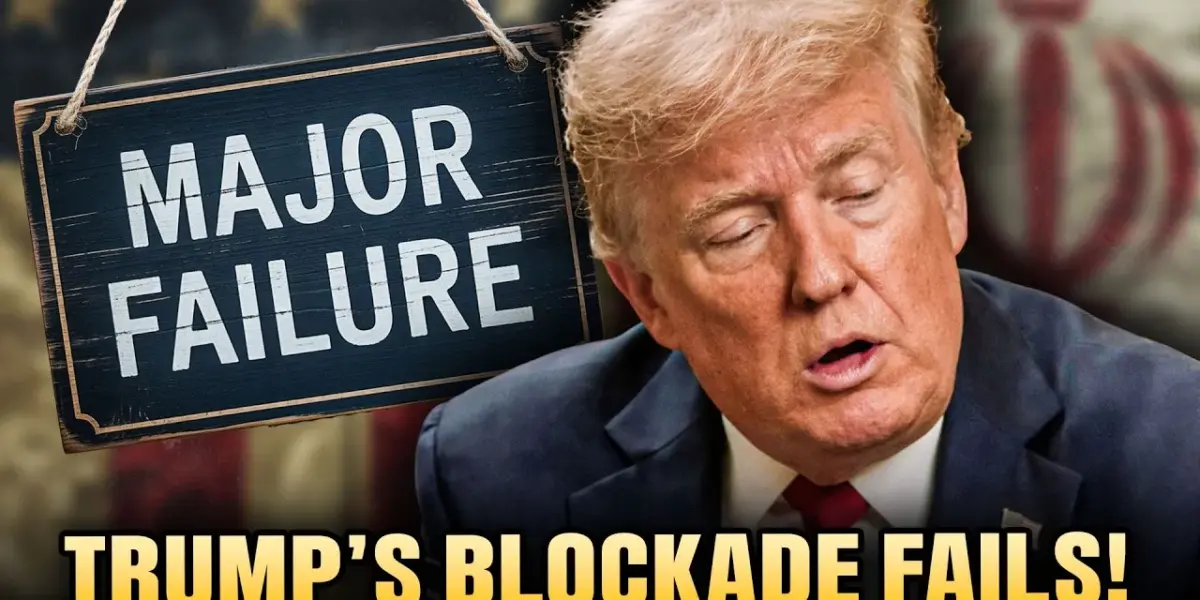
Trump’s Blockade Fails, Allies Shun Mission: A Pattern?
A recent move by former President Donald Trump to blockade the Strait of Hormuz has reportedly failed, with Iranian and Chinese oil tankers passing through without issue. This action, described as a “blockade on the blockade,” was intended to stop ships from reaching Iran. However, marine traffic data suggests otherwise. Ships like the Cristiana and the Opus have been seen stopping at Iranian ports, while others, including the Rich Stari owned by a Chinese company, have passed through the strait.
Despite this evidence, U.S. Central Command has stated that no ships have crossed the strait since the blockade began. The situation raises questions about the effectiveness of such measures and the broader implications for international relations. This incident adds to a growing list of actions by Trump that appear to have backfired, leading to outcomes opposite to what was intended.
A History of Unintended Consequences
This isn’t the first time an action by Donald Trump has reportedly yielded the opposite of its intended result. During his presidency, tariffs were imposed with the expectation that other countries or corporations would absorb the costs. Instead, it appears consumers have often ended up paying more. Similarly, his attempts to project strength or gain popular support have sometimes led to widespread criticism and negative attention, as seen with an incident involving a DoorDash worker.
The pattern suggests that Trump’s initiatives often face significant challenges and lead to unexpected outcomes. This can be seen not just in foreign policy but also in domestic actions. For example, the attempt to build support for certain political figures or policies has sometimes resulted in public backlash or a lack of desired engagement.
Allies Express Doubt, Mission Lacks Support
The reported failure of the Hormuz blockade is mirrored in the lack of support from key allies. NATO and European Union members have reportedly been hesitant to join the mission, with some sources suggesting they are laughing at the perceived ineffectiveness. This reluctance stems from a lack of clear objectives and a desire not to be associated with what they see as a failing initiative.
This distancing from allies is concerning for international cooperation. When major global players do not align on key security or economic strategies, it can create instability and weaken collective responses to global challenges. The hesitation of allies to join such missions indicates a potential loss of trust or a differing assessment of priorities and risks.
Global Ramifications of Policy Failures
While the specific incident of the Hormuz blockade might seem isolated, the broader pattern of policy failures and strained alliances has significant global ramifications. The Strait of Hormuz is a critical chokepoint for global oil supplies, and any disruption or perceived weakness in managing this area can affect energy markets worldwide. Instability in this region can lead to increased oil prices, impacting economies far beyond the immediate vicinity.
Furthermore, the perception of leadership and the ability to rally international support are crucial in diplomacy. When allies are hesitant and initiatives appear to fail, it can embolden adversaries and undermine the credibility of the nation attempting to lead. This can create a more dangerous and unpredictable international environment for everyone.
Why This Matters
The effectiveness of foreign policy actions and the strength of international partnerships are vital for global stability and prosperity. When strategies fail to achieve their stated goals and alienate potential allies, it can lead to increased geopolitical tensions, economic uncertainty, and a less secure world. Understanding these patterns is key to evaluating future policy decisions and their potential consequences on a global scale.
Historical Context
The Strait of Hormuz has long been a strategically important waterway, subject to geopolitical maneuvering. Throughout history, control or influence over this strait has been a key factor in regional power dynamics. Past incidents have shown how quickly tensions can escalate in this sensitive area, impacting global trade and security.
The current situation can be seen as part of a larger narrative of international relations, where assertiveness is met with varying degrees of cooperation or resistance. The effectiveness of any blockade or military posture depends heavily on the support of allies and the perceived legitimacy of the action. Without broad international backing, such measures often struggle to achieve their objectives and can inadvertently weaken the position of the nation imposing them.
Looking Ahead
The future outlook suggests a continued need for careful diplomacy and strong international coalitions to address global challenges. The effectiveness of unilateral actions, especially those that lack allied support, remains questionable. Building trust and maintaining open communication with allies will be crucial for navigating complex geopolitical situations and ensuring collective security.
The reported failures in implementing effective blockades and securing allied cooperation highlight a potential shift in how international strategies are perceived and implemented. Moving forward, a focus on collaborative solutions and clear, achievable objectives will likely be more successful in promoting stability and achieving desired outcomes on the world stage.
Source: Trump’s Blockade Has Already Failed Miserably (YouTube)

Related Articles


Russia’s War Costs Strain Putin’s Elite Bargain
Russia's prolonged war in Ukraine is straining President Putin's grip on power. Declining oil revenues and escalating military costs are forcing internal power shifts, with intelligence services reportedly gaining influence. This financial pressure is creating significant discontent among the elite and risking broader instability within the Kremlin.

Trump’s Wild Claims Fuel GOP Chaos and Public Doubt
Donald Trump's recent erratic statements and Republican figures' defense strategies are causing political turmoil. Concerns over economic misrepresentation and the handling of the Jeffrey Epstein case are mounting, leading to a public demanding more accountability and truth.


Trump’s Allies Stumble, Exposing MAGA Movement’s Weaknesses
Recent events reveal cracks in the MAGA movement, from JD Vance's failed support for Viktor Orban in Hungary to disappointing Turn Point USA rallies. Trump's attacks on Pope Leo also alienate allies and expose strategic missteps. These challenges suggest a weakening of the movement's influence.