US and Iran Near Talks: Nuclear Deal Isn’t Enough
Reports indicate the US and Iran are nearing a second round of nuclear talks in Pakistan. However, former Bush advisor Jamal Jaffer warns that a deal must address more than just Iran's nuclear program, including its support for terrorist groups. The deep divisions on these issues pose a significant challenge to reaching a lasting agreement.

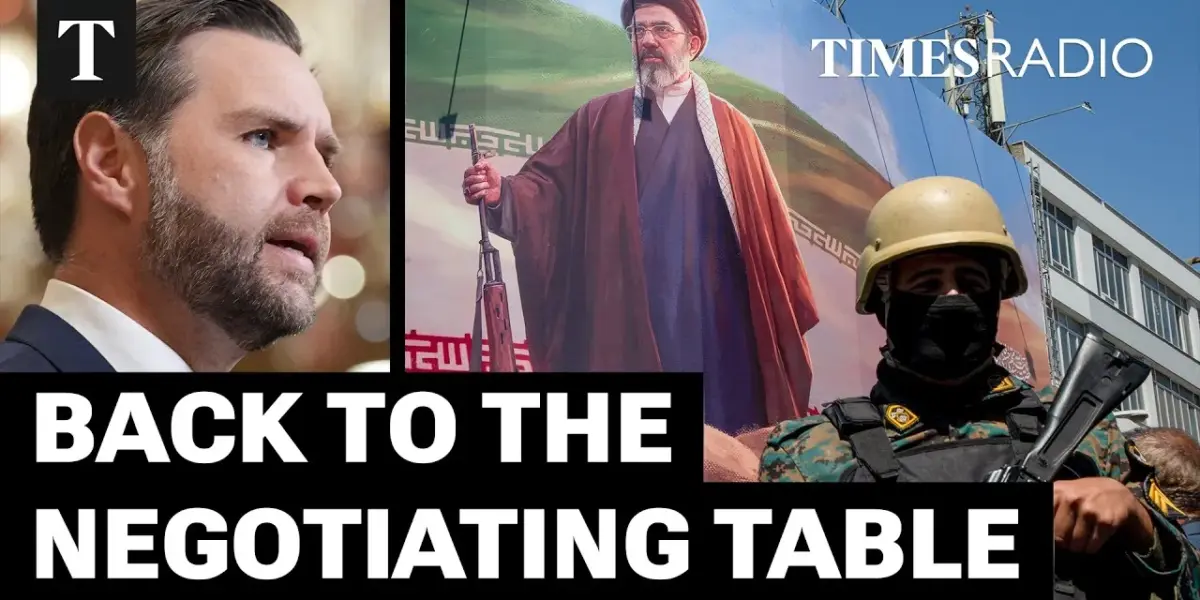
US and Iran Eye New Talks Amid Deep Divisions
The United States and Iran are reportedly nearing a second round of in-person negotiations, potentially resuming talks in Pakistan. While the prospect of renewed dialogue offers a glimmer of hope for de-escalation, experts warn that a nuclear deal alone may not be enough to resolve the complex relationship between the two nations. These discussions come as a ceasefire is set to expire within the week, adding urgency to the situation.
Nuclear Enrichment: A Sticking Point for Decades
A key issue dominating past negotiations has been Iran’s domestic uranium enrichment capabilities. Reports suggest the U.S. has demanded Iran halt enrichment for 20 years, while Iran has only agreed to a five-year limit. This significant gap highlights a fundamental disagreement that has plagued previous attempts at an agreement.
Jamal Jaffer, former associate counsel to President George W. Bush and executive director of the National Security Institute, explained the U.S. stance. Historically, the U.S. has opposed any domestic enrichment for countries without a current nuclear program. He used the example of the United Arab Emirates, which was offered a steady supply of uranium from the U.S. for its civilian nuclear program instead of developing its own enrichment facilities. Jaffer stated, “The only reason to have domestic enrichment is to eventually have the freedom and the capability to have a nuclear weapons program.”
Jaffer elaborated on the technical aspects, noting that the bulk of the work in uranium enrichment occurs in the early stages. “When you get to 20 and particularly when you get to 60, then you’re only really 5% more work away from 90% 95% enriched uranium for weapons,” he said. This proximity to weapons-grade material is a major concern for the U.S.
Beyond the Bomb: Terrorism and Regional Influence
However, the dispute over nuclear enrichment is just one piece of a much larger puzzle. Jaffer emphasized that a crucial, yet often overlooked, element of the negotiations concerns Iran’s support for groups like Hezbollah, Hamas, and Palestinian Islamic Jihad. This issue was a clear starting point for the U.S., even before the current conflict, and was a key reason President Trump withdrew from the Obama-era nuclear deal.
Iran’s position is diametrically opposed. Tehran views these groups as allies and demands the U.S. cease actions against them. Jaffer described the two sides as being “very far apart on the support of terrorism,” and it remains uncertain if this chasm can be bridged.
If the U.S. were to concede on the issue of Iranian support for terrorist groups, Jaffer warned, it would essentially mean returning to a nuclear deal similar to the one President Trump famously criticized as inadequate. He questioned whether such an agreement would truly address Iran’s broader destabilizing activities in the region, its ballistic missile program, or its human rights record.
Strait of Hormuz and Negotiating Tactics
Another point of contention that could surface is Iran’s control over the Strait of Hormuz, a vital waterway. The U.S. maintains it is an international waterway that cannot be controlled or tolled by any single nation. How this issue will be navigated in negotiations remains to be seen.
Jaffer also touched upon the dramatic exit of negotiator JD Vance from previous talks. He suggested that such walkouts can sometimes be a deliberate negotiating tactic. “Walking out and saying, ‘We’re done here. You need to come to me,'” Jaffer noted, “is often times a negotiating tactic.” This suggests that the public perception of stalled talks might not always reflect the full strategic picture.
The Broader Implications: What’s Next?
The potential resumption of talks, while positive, raises significant questions about the scope and ultimate goals of any agreement. Without addressing Iran’s support for terrorism and its regional actions, any deal focused solely on nuclear enrichment might simply be a temporary pause rather than a lasting resolution. The international community will be watching closely to see if these negotiations can move beyond the nuclear issue to tackle the wider spectrum of Iran’s behavior.
Source: US Iran Negotiations Must Resolve More Than Just Nuclear Dispute | Former Bush Advisor (YouTube)

Related Articles

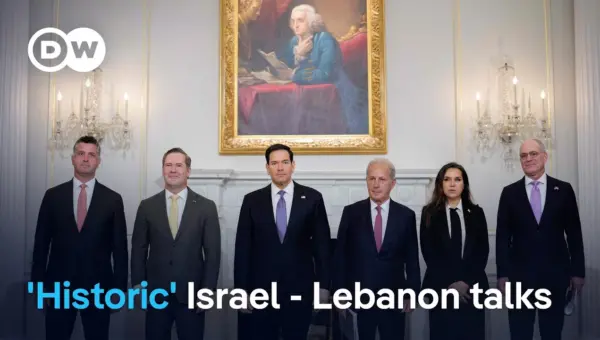
Israel, Lebanon Hold Historic Direct Talks After 40 Years
Israel and Lebanon have engaged in their first direct talks in 40 years, mediated by the U.S. However, deep disagreements persist, particularly regarding Hezbollah's role and disarmament. Professor Melanie Kamt highlights the historic nature of the meeting but questions its potential success without Hezbollah's involvement and given Israel's stringent conditions.

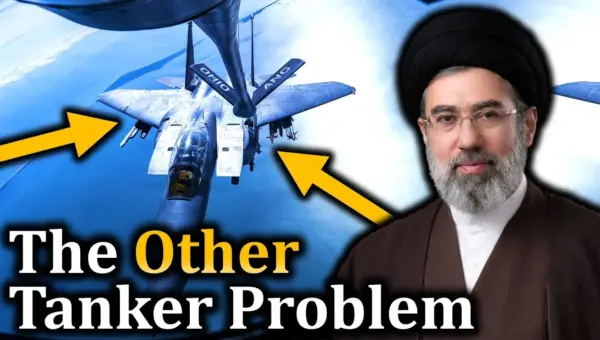
US Ceasefire Aims to Mend Aging Air Fleet
The ongoing U.S.-Iran ceasefire negotiations face deadlock, threatening a renewal of hostilities. The U.S. faces critical challenges maintaining its aging aerial refueling fleet, while Iran may be rebuilding its air defense capabilities. The situation highlights U.S. stockpile concerns and potential Chinese involvement.


Iran Talks Advance: US Navy Blockade Tests Iran’s Nuclear Stance
New U.S.-Iran peace talks may start this week, aiming to resolve nuclear concerns before a ceasefire expires. A U.S. naval blockade adds pressure, with Vice President Vance stating the ball is in Iran's court. This marks a critical juncture in long-standing regional tensions.