DoorDash PR Chief’s Twitter Meltdown Exposes Staged White House Event
DoorDash PR chief Julian Crowley's furious Twitter defense of a staged White House delivery event backfired spectacularly. His admission of a planned stunt and subsequent insults to critics exposed the lack of authenticity, fueling public skepticism and raising questions about corporate transparency.

DoorDash PR Chief’s Twitter Meltdown Exposes Staged White House Event
A public relations representative for DoorDash, Julian Crowley, recently found himself in a public relations crisis of his own making. His aggressive and defensive responses on Twitter to criticism about a staged White House event have drawn significant attention. The incident involved a supposed delivery to the White House that many are calling a political stunt. Crowley’s online behavior has amplified the controversy, revealing the careful planning behind the event and raising questions about DoorDash’s transparency.
The “DoorDash Grandma” Stunt
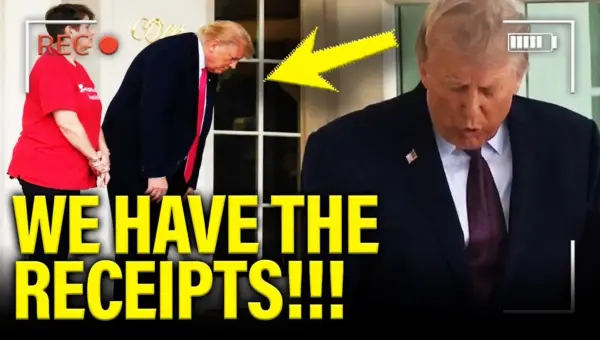
The event in question featured a woman named Sharon Simmons, who was presented as a DoorDash delivery driver bringing food to the White House. The appearance was intended to highlight a new policy, specifically the elimination of taxes on tips, a policy supported by the Trump administration. However, it quickly became clear that the event was far from a genuine, spontaneous delivery.
Cracks in the Narrative Appear
Critics pointed out several suspicious details. For instance, Sharon Simmons was not a local Washington D.C. resident but was brought in from Arkansas. This detail alone suggested a lack of readily available participants from the immediate area. Furthermore, Simmons had previously appeared at a 2025 GOP field hearing in Nevada, where she spoke in favor of Republican tax policies. This history indicated that her participation was not a chance encounter but a pre-arranged role supporting specific political interests.
PR Chief’s Heated Defense
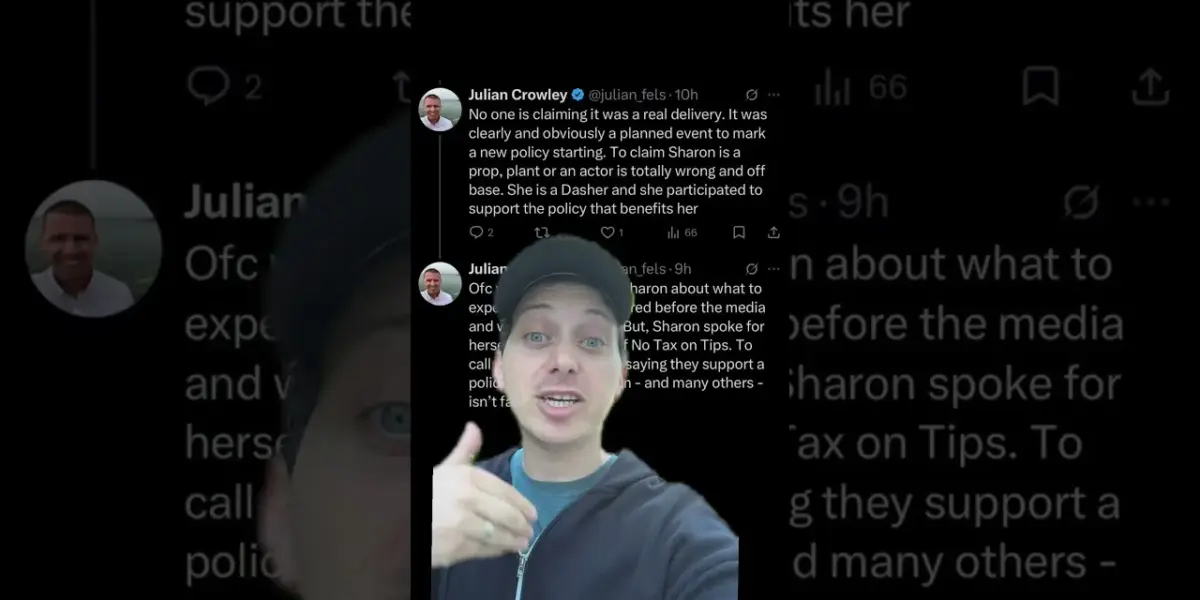
Instead of addressing these concerns calmly, DoorDash’s public affairs lead, Julian Crowley, launched into a series of combative posts on Twitter. In his exchanges, Crowley appeared to admit that the event was planned. He stated, “No one is claiming it was a real delivery. It was clearly an obviously a planned event to mark a new policy starting.” He defended Simmons, saying she was a DoorDash driver who participated to support a beneficial policy. Crowley also admitted that Simmons was briefed on what to expect and coached on talking points before appearing with the President. He insisted she was not a prop or an actor, but rather someone speaking in support of a policy that helps her and others.
Insults and Escalation
Crowley’s online arguments did not stop at explanations. He resorted to insulting critics, telling one user, “You need to touch grass.” This phrase suggests the person is out of touch with reality. For a representative of a company that relies on people using their phones and ordering in, such an insult seemed particularly ill-chosen. The PR chief continued to defend the narrative, even as he acknowledged the staged nature of the event. He reposted information about Simmons’s past advocacy for the tax policy, trying to frame her appearance as consistent with her long-held beliefs.
Contradictory Messaging
A key point of contention was Crowley’s defense of the event while simultaneously promoting news articles that mischaracterized it. He questioned why he was being criticized when he admitted it was a planned event, yet he was still promoting a CBS News article that described it as an “impromptu White House press event.” This created a clear contradiction: acknowledging the staged nature internally while allowing the public to believe it was spontaneous. This inconsistency fueled further skepticism about DoorDash’s communication strategy.
Broader Context of Worker Conditions
The controversy surrounding the White House stunt comes at a time when DoorDash faces ongoing scrutiny regarding its worker conditions. Reports and reviews suggest that many drivers struggle to earn a living wage and cover their expenses. The focus on a seemingly manufactured political event, while potentially overlooking or downplaying the real-world financial challenges faced by its workforce, has drawn criticism. This situation raises questions about corporate priorities and how companies choose to engage with political issues.
Why This Matters
This incident is a case study in modern public relations gone wrong. It highlights the risks of staging political events without full transparency. When companies attempt to align themselves with political policies, they must be prepared for scrutiny. Crowley’s aggressive defense and admission of a staged event, rather than defusing the situation, only fanned the flames. It shows how easily a carefully crafted message can unravel when faced with genuine questions and public skepticism. The incident also underscores the importance of authentic communication in building trust with customers and the public.
Implications and Future Outlook
For DoorDash, this PR misstep could have lasting consequences. It may damage their brand image and erode trust among consumers and drivers. In an era where social media amplifies every action, companies must be more careful than ever. The trend of using seemingly authentic moments for political messaging is risky. When these moments are exposed as staged, the backlash can be severe. DoorDash needs to re-evaluate its PR strategies to ensure they prioritize honesty and genuine engagement. Moving forward, companies will likely face increased pressure to be upfront about their political endorsements and partnerships. The public is becoming more adept at spotting manufactured narratives, demanding greater authenticity from the brands they support.
Historical Context
Political events and appearances have long been used by companies to gain favor or promote policies. Think of how businesses used to pose with presidents for photos to show support. However, the digital age has changed the game. Social media allows for rapid dissemination of information and immediate fact-checking. What might have gone unnoticed in the past can now become a viral sensation overnight. The DoorDash incident is a modern example of this phenomenon. It shows that while the tactic of using staged events is old, the consequences of getting caught are now far more significant due to technology.
Source: DoorDash Rep CRASHES OUT after Trump Stunt GOES WRONG (YouTube)

Related Articles
Trump’s Tax Tip ‘Stunt’ Fuels Stock Surge, Lacks Real Impact
A recent White House event featuring a DoorDash driver and a 'no tax on tips' policy is under scrutiny. Critics argue the event was staged to boost DoorDash stock and promote a policy with minimal real benefit to the featured worker, highlighting concerns about political messaging and media portrayal.
White House Blockade Plan Risks Escalation, Experts Warn
A proposed naval blockade strategy in the White House is drawing criticism for its perceived lack of military backing and potential to escalate tensions. Concerns are being raised about the quality of advice being given to the President.
White House Mood Mirrors Chaos: Insiders Share “This is Fine” Memes
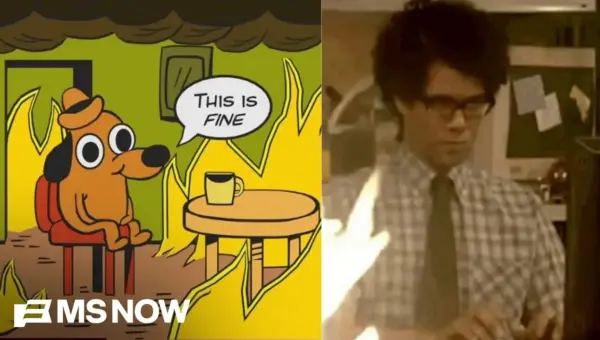
White House insiders are reportedly feeling overwhelmed, with some sharing memes like the "This is fine" dog engulfed in flames to describe the administration's mood. Politico's Dasha Burns reported these sentiments, which contrast with official public messaging. The administration dismissed the memes, insisting on its focus on policy, but recent challenges like rising prices and international setbacks are overshadowing its agenda.