White House Blockade Plan Risks Escalation, Experts Warn
A proposed naval blockade strategy in the White House is drawing criticism for its perceived lack of military backing and potential to escalate tensions. Concerns are being raised about the quality of advice being given to the President.

White House Blockade Plan Risks Escalation, Experts Warn
A recent discussion about a potential naval blockade strategy in the White House has raised serious concerns among military analysts. The proposed plan, which involves blocking certain islands, appears to be a significant departure from past military tactics. This shift has led to questions about who is advising the President and whether military leaders are providing their best advice.
A Shift in Strategy Raises Eyebrows
The current talk involves a plan to blockade islands like Hormuz, Kishm, and potentially seize others. This is different from past operations where blockades were part of a larger military campaign. For instance, previously, the goal was to stop combatants or small boats from leaving certain waters during active conflict. The current proposal seems to be a standalone action, not clearly tied to a specific military objective.
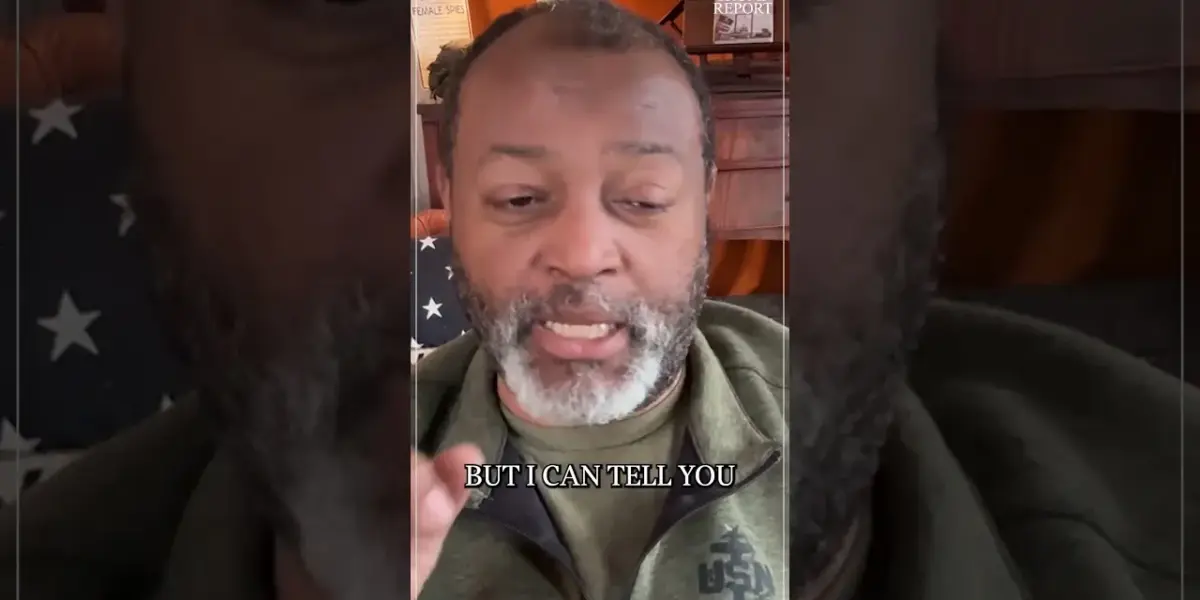
One commentator expressed confusion, stating, “I don’t know who this moron is in the White House who came up with this blockade.” This sentiment highlights a perceived lack of military understanding behind the idea. It suggests that the people developing this plan might not have direct combat experience or a deep grasp of naval warfare. The worry is that such a plan could be poorly conceived and lead to unintended consequences.
Military Leadership Under Scrutiny
The role of military advisors, particularly the Chairman of the Joint Chiefs of Staff, is also being questioned. General Kaine is mentioned as someone who is not offering the President his frank opinion. While military officers are expected to follow the orders of civilian leaders, their duty also includes providing honest, unvarnished advice, even if it’s not what the leadership wants to hear.
The military people like General Kaine um who is not advising the president very well. He is just saluting and saying we’ll do whatever you the civilian authority wants us to do, which is the way the chain of command works. But as chairman of the joint chiefs of staff, he is supposed to give his unvarnished opinion about this.
This passive approach, often summarized as “Whatever, sir,” is seen as dangerous. It can lead to flawed decisions that put lives at risk and escalate conflicts. Military leaders are expected to be more than just yes-men; they are meant to be strategic thinkers who can identify potential dangers and offer alternative solutions based on their expertise.
Potential for Wider Conflict
The concern is that a poorly thought-out blockade could escalate tensions significantly. This could draw in other global powers, such as China. If Chinese vessels are present in the waters near such a blockade, any misstep could lead to a direct confrontation between major world powers. This is a scenario that military strategists typically try to avoid at all costs.
Why This Matters
The decision-making process for foreign policy and military actions is crucial. When strategies are developed without robust military input or when military leaders fail to provide honest counsel, the risks increase dramatically. A blockade, in particular, is an act of aggression that can have far-reaching economic and diplomatic consequences. It can disrupt global trade, strain international relations, and, in the worst case, lead to open conflict.
Historical Context
Naval blockades have a long history in warfare. They have been used to cut off supplies to enemy ports, weaken their economies, and force surrender. Famous examples include the Union blockade during the American Civil War and the British blockade of Germany in World War I. However, these actions were typically part of declared wars and carried out with clear military objectives. Modern international law also places restrictions on the use of blockades.
Implications and Future Outlook
The current situation highlights a potential disconnect between civilian leadership and military advice. If the White House is indeed pursuing strategies without full military backing or with insufficient strategic consideration, it could signal a worrying trend. The future outlook depends on whether military leaders will assert their role in providing critical assessments and whether civilian leaders will be open to receiving and acting upon such advice. The potential for escalation in the region remains a significant concern, especially if diplomatic channels are bypassed in favor of military posturing.
Source: 'I don't know who this moron is in the White House who came up with this blockade' (YouTube)

Related Articles
Trump-Vance Brand Suffers Overseas After Iran War, Analyst Says
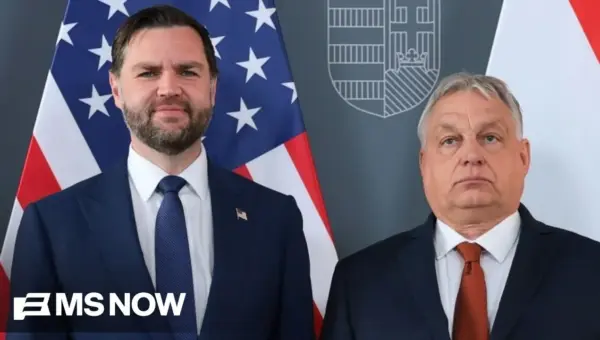
Senator J.D. Vance's recent trip to Hungary to support Prime Minister Viktor Orban has drawn sharp criticism, with analysts arguing the "Trump-Vance brand" has become toxic overseas. Despite Vance's defense of the visit as supporting an ally, critics point to Orban's authoritarian record, suggesting such endorsements may now backfire, rallying opposition against the supported candidates.
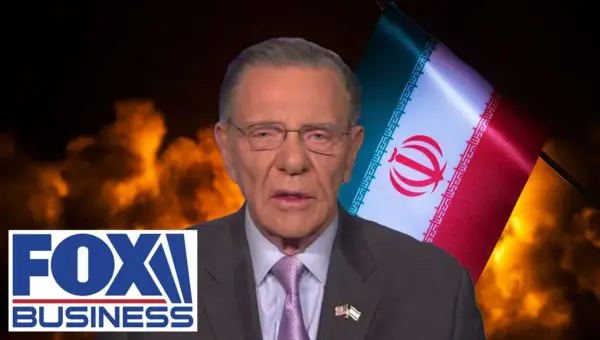
US Naval Blockade Forces Iran to Negotiate
The U.S. is using a naval blockade to force Iran to negotiate, targeting oil tankers to disrupt Tehran's revenue. This strategy aims to secure freedom of navigation through the Strait of Hormuz and prevent Iran from developing nuclear weapons. Investors should watch regional stability and oil prices.

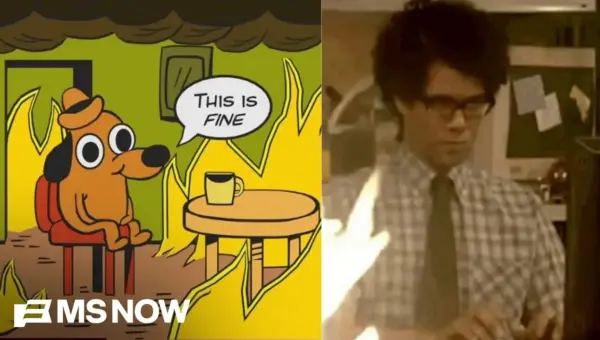
White House Mood Mirrors Chaos: Insiders Share “This is Fine” Memes
White House insiders are reportedly feeling overwhelmed, with some sharing memes like the "This is fine" dog engulfed in flames to describe the administration's mood. Politico's Dasha Burns reported these sentiments, which contrast with official public messaging. The administration dismissed the memes, insisting on its focus on policy, but recent challenges like rising prices and international setbacks are overshadowing its agenda.