Trump Blocks Strait of Hormuz Amidst Vatican Feud
The U.S. has imposed a partial blockade on the Strait of Hormuz following failed peace talks with Iran. Simultaneously, President Trump is publicly feuding with Pope Leo XIV, criticizing the pontiff's stance on the Iran conflict and sparking debate within religious and political circles.

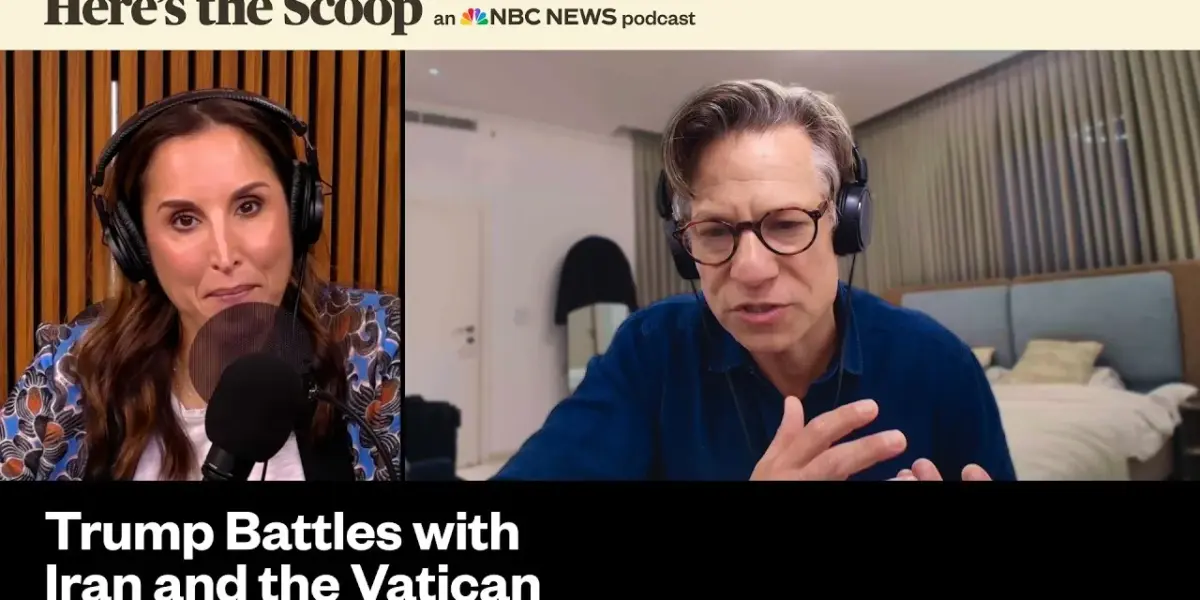
US Imposes Strait of Hormuz Blockade After Failed Iran Talks
The United States has implemented a partial military blockade on the Strait of Hormuz, a critical global oil and gas route. This action follows Vice President JD Vance’s unsuccessful attempt to broker a peace deal with Iran over the weekend. After 21 hours of negotiations in Islamabad, Pakistan, talks broke down with both sides reportedly miles apart on key issues.
Sticking Points Plague Iran Peace Talks
According to private readouts from Pakistani and Iranian officials, the negotiations failed due to fundamental disagreements. The Iranians expressed a deep distrust of the United States and the current peace process, believing it would not lead to an end to the conflict. A major sticking point was Iran’s nuclear enrichment capabilities.
The U.S. Insisted on a complete halt to all enrichment, even for civilian and medical purposes, and demanded Iran hand over 900 pounds of highly enriched uranium. While Iran indicated willingness to discuss these terms, an agreement could not be reached.
Sanctions relief was another major hurdle. Iran demanded the immediate removal of all sanctions and reparations for damages incurred over the past month. Neither side found common ground on these demands, even after extensive discussions at the Serena Hotel in Islamabad.
Strait of Hormuz: A Vital Waterway Under New US Control
The management and opening of the Strait of Hormuz were central to the U.S. Demands for a ceasefire and an end to the war. Before the recent conflict, approximately 100 ships passed through the strait daily, serving as a vital lifeline for global energy supplies.
Following the conflict’s start, Iran reportedly began attacking Arab nations in the Gulf, particularly those with U.S. Bases. Iran also restricted passage through the strait, allowing access only to friendly nations like China and Russia, and allegedly charging a $2 million toll for other ships.
The Trump administration has now declared that Iran cannot use the Strait of Hormuz. Iranian ships are prohibited from leaving port or entering the strait.
While ships from other countries can still transit, Iran is being denied access to its own ports and this crucial waterway. The U.S. has issued a stark warning: any Iranian vessel attempting to leave port and head towards the Strait of Hormuz will be destroyed without warning, mirroring actions taken against drug-smuggling ships.
Fragile Ceasefire Amidst Escalating Tensions
The current situation presents a confusing picture regarding the ceasefire. While there are no incoming rockets or air strikes between Iran, Israel, and the Gulf states, the war in Lebanon is intensifying.
Israeli Prime Minister Netanyahu has visited troops in Lebanon, discussing plans for a buffer zone and the destruction of Hezbollah. This front of the war is proceeding at full speed.
Adding to the fragility is the crisis at the Strait of Hormuz. The U.S. Blockade could lead to further escalation at any moment. President Trump has stated he is unconcerned if Iran returns to negotiations, suggesting a lack of immediate interest in further talks.
The U.S. Strategy appears to involve attacking Iran’s alleged nuclear and missile programs, a strategy that has been paused but could resume at any time. The situation remains tense, with the potential for Iranian retaliation if its ships are attacked.
“It seems more like the US is taking this role as traffic cop for the Strait of Hormuz, deciding which ships are allowed to go through and which ships are not, primarily Iranian ships.”
Richard Engel, Chief Foreign Correspondent, NBC News
Despite the tense standoff, a U.S. Official later informed NBC News that continued engagement between the U.S. and Iran is occurring, with forward motion towards an agreement.
President Trump and Pope Leo XIV Clash Over Iran War
In a separate development, President Trump has engaged in a public dispute with Pope Leo XIV, criticizing the pontiff’s stance on the Trump administration’s war with Iran. Trump described Pope Leo as a liberal who doesn’t believe in stopping crime. Pope Leo, while traveling to Africa, stated he has no fear of the Trump administration and will continue to speak out.
Pope Leo XIV’s Growing Criticisms
For nearly a year after his election, Pope Leo XIV was cautious with his words, calling for peace and dialogue without directly criticizing world leaders. However, this changed during Holy Week when he began issuing stronger condemnations. He stated that God does not answer the prayers of those who wage war, a remark seemingly aimed at members of the Trump administration who used religious justifications for the war in Iran.
Shortly before Vice President Vance’s talks with Iran, Pope Leo called for prayer for peace and condemned what he termed the “delusion of omnipotence” and the “idolatry of self and money.” Although the Pope did not name specific individuals, President Trump interpreted these remarks as directed at him. Trump responded on Truth Social, calling Pope Leo “weak on crime” and “terrible for foreign policy.” He also suggested the Pope would not have been elected if Trump had not been in office, claiming cardinals chose him because he was American and best suited to deal with Trump.
Vatican Responds to Trump’s Attacks
When asked about Trump’s accusations, Pope Leo, en route to Algiers, stated he is a peacemaker, not a politician. He emphasized his lack of fear in speaking out about the message of the Gospel, which he believes is his calling. He reiterated that the church’s mission is not to engage in politics or foreign policy in the same way a political leader might, but to spread the message of peace.
The dispute intensified when Trump posted an AI-generated image depicting himself with healing hands, resembling a religious figure. This image, which has since been removed, drew significant backlash.
Even figures within Trump’s religious advisory circle found the post inappropriate. Bishop Robert Barron, a member of Trump’s Religious Liberty Commission, called Trump’s post “entirely inappropriate and disrespectful” and stated Trump owes the Pope an apology.
J.D. Vance’s Position Amidst the Dispute
The conflict raises questions about Vice President J.D. Vance, a devout Catholic who recently met with Pope Leo. Vance, who is set to publish a book about his faith, has not publicly criticized President Trump regarding this dispute.
His previous meetings with Pope Francis and his presence at Pope Leo’s installation suggest a connection to the Vatican. It remains to be seen how Vance will navigate this public disagreement between the President he serves and the head of his church.
The Pope’s Shifting Tone and the Church’s Direction
Pope Leo’s current approach marks a significant departure from his predecessor, Pope Francis, who was known for his directness and strong public statements. Pope Leo, in contrast, had been more reserved, leading some Catholics to believe he was too cautious, especially concerning conflicts in Gaza and Ukraine. His more assertive stance since Holy Week, particularly in response to the use of religion to justify the war in Iran, indicates a potential shift in how the papacy engages with global political and military affairs.
“I’m a peacemaker. I’m not a politician. I have no fear…
The church is called to do. We’re not politicians, we’re not looking to make foreign policy… But I do believe that the message of the Gospel, the blessed are the peacemakers, is a message that the world needs.”
Pope Leo XIV
President Trump, when asked about apologizing, refused, stating Pope Leo made incorrect statements and was against his actions regarding Iran. He maintained his stance that a nuclear Iran cannot be allowed.
Source: Why Trump Wants to Close The Strait of Hormuz and the Fight with Pope Leo XIV – April 13 (YouTube)

Related Articles
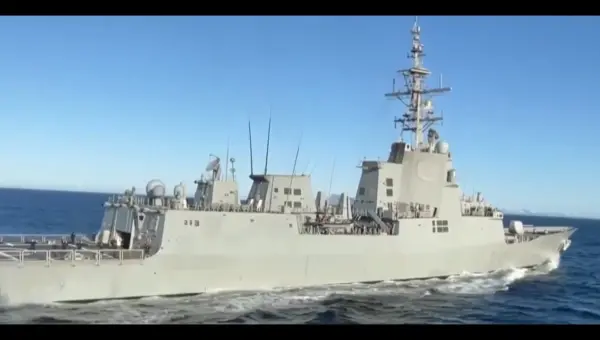
US Blockade Tightens Grip on Iran’s Ports
The US military is maintaining a naval blockade on Iranian ports, even as Iran lifts its own blockade in the Strait of Hormuz. This operation restricts ships heading to or from Iranian ports, impacting the country's trade. Meanwhile, increased traffic is seen in the Strait of Hormuz following a US-brokered ceasefire between Israel and Lebanon.
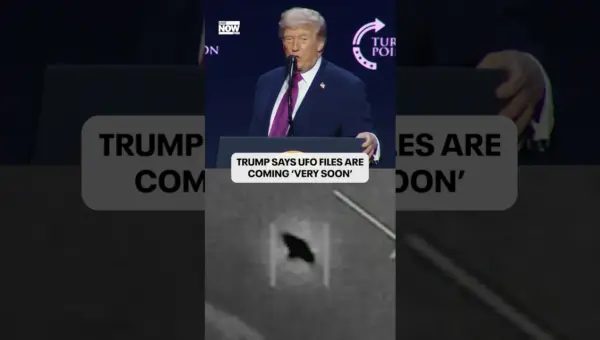
Trump Promises UFO Files Release ‘Very Soon’
Former President Donald Trump announced that government files on UFOs and unexplained aerial phenomena will be released "very, very soon." The review process, initiated during his presidency, has uncovered "very interesting documents." The upcoming disclosures are expected to offer the public a closer look at information previously kept classified.
Trump Claims Strait Open, But Was It Ever Closed?
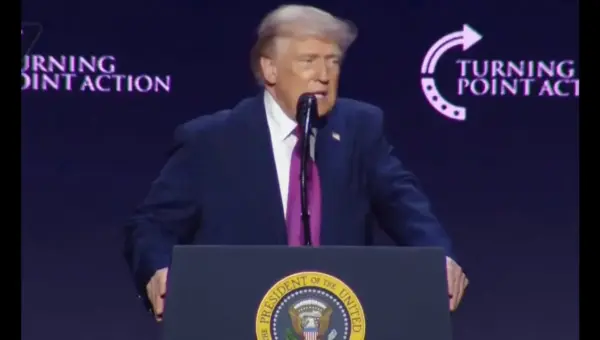
Donald Trump declared the Strait of Hormuz open, but critics question the actual gains given the conflict's cost. Reports from Iran contradict key claims, suggesting the strait may not have been fully closed. This situation raises concerns about accountability and the true impact of foreign policy decisions.