US Naval Blockade of Iran Sparks Global Concern, Allies Hesitate
The United States has initiated a naval interdiction targeting Iranian ports, prompting threats of retaliation from Tehran and unsettling global oil markets. While the US frames the move as a pressure tactic on Iran's economy, key allies are hesitant to join, raising questions about its effectiveness and potential for regional escalation.

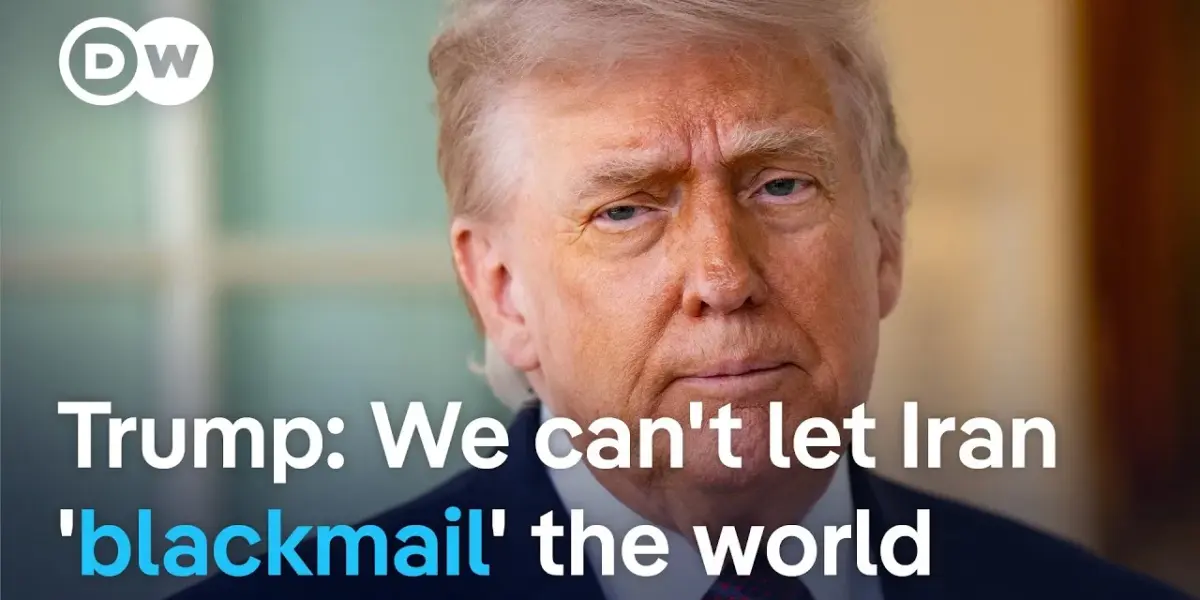
US Imposes Naval Interdiction on Iranian Ports
The United States has announced a naval blockade targeting Iranian ports, a move President Trump stated would result in the immediate destruction of any Iranian ships approaching the restricted zone. The US military clarified that this action, enforced by US Central Command, is a form of maritime interdiction rather than a classical blockade. It aims to intercept vessels entering or leaving Iranian ports and coastal areas along the Persian Gulf and the Gulf of Oman.
Strategic Aims and Allied Skepticism
Military analysts suggest the strategic logic behind this move is to pressure Iran’s economy and oil exports, thereby forcing Iran to open the Strait of Hormuz on US terms. However, the effectiveness and sustainability of this interdiction are being questioned. Key NATO allies, including the UK and Australia, have indicated they will not join the US effort, casting doubt on the blockade’s long-term impact.
Marina Myron, a military analyst, explained that the operation is less about a traditional blockade and more about “maritime interdiction.” She noted that the Strait of Hormuz would likely remain partially open, with US naval assets operating from the Arabian Sea. “It is debatable how well the US can execute this blockade and how long it can do so on its own,” Myron stated, highlighting the lack of allied support.
Iran’s Response and Economic Fears
In response to the US action, Iran has threatened retaliation against ports in neighboring Gulf states. Pro-establishment voices within Iran acknowledge that the move could increase oil prices, a scenario Iran may be prepared for. However, others express deep concern about the potential collapse of Iran’s own economy under such pressure.
“Iran is ready for that. Plus, there will be a counter move by Iran,” Myron observed, referencing internal Iranian discussions. She added that some fear this could lead to a “complete collapse” of the Iranian economy.
US Capacity and Potential Escalation
Details on how the US plans to execute the interdiction remain scarce. While the US possesses destroyers in the region, the feasibility of intercepting numerous tankers or dealing with refusals to change course is unclear.
Analysts doubt the US would resort to missiles due to environmental concerns, favoring armed teams to board vessels. A significant challenge remains mine clearing, an area where US capacity alone is insufficient, requiring allied assistance.
“The other issue is mine clearing and that is one capacity that I can say the US cannot do on its own,” Myron pointed out. “It’s quite a complicated operation has nothing to do per se with a blockade rather with a clearing of the strait and that is something that the US would need allies to help with.”
Iran has labeled the US restrictions as “piracy” and warned that if its ports are threatened, no port in the Persian Gulf or Gulf of Oman will be secure. Experts suggest Iran could deny access using drones, fast attack vessels, and its network of proxy groups, potentially targeting vital shipping lanes like the Bab al-Mandab strait.
Expert Analysis on Trump’s Strategy
Daniel Gerlock, editor-in-chief of Zenith magazine, described President Trump’s messaging as often confusing but strategically aimed at applying “maximum pressure” without escalating to full-scale war. He views the interdiction as a countermeasure to Iran’s alleged levying of tolls on ships transiting the Strait of Hormuz.
“This counter blockade that he is implementing or talks about implementing is some sort of a equivalent to a blocking mechanism,” Gerlock explained. “At one point, if you want to implement it, which means enforce it, it means that you have to send actual naval assets into the straits and into the state of Honus. And there you expose yourself, of course, to Iranian mines, Iranian missiles.”
Regional Concerns and Diplomatic Maneuvers
Gulf states are reportedly seeking independent arrangements to avoid being caught in the crossfire. Countries like Kuwait, Bahrain, and the United Arab Emirates are seen as particularly vulnerable due to their complex relationships with Iran and significant US military presence.
Gordon Robinson, a journalist with extensive Middle East experience, noted that many are questioning the purpose of the US action, especially after failed talks with Iran. He suggested that the US might be trying to counter Iranian tolls but faces challenges in identifying and intercepting specific vessels, particularly those paying in cryptocurrency or Chinese renminbi. Robinson also highlighted the risk of a major international incident if the US Navy attempts to board vessels from major powers like China.
The Role of Oman and Future Outlook
Oman, which controls a significant portion of the Strait of Hormuz, has adopted a low-key diplomatic approach, often referring to itself as the “Switzerland of the Middle East.” Despite being a key mediator in past US-Iran talks, Oman has remained largely silent on the current situation, likely feeling sidelined.
Regarding the potential for a long-term conflict, Robinson suggested that while a “forever war” is possible, President Trump may seek a resolution sooner rather than later, potentially allowing both sides to claim a form of victory before upcoming elections. The resilience of the Iranian regime, even after leadership losses, means that significant pressure may be required to force a change in its strategic calculus.
Source: US blockade on Iran's ports: Is Trump overplaying his hand? | DW News (YouTube)

Related Articles


North Korea Eyes Iran Attack: A Nuclear Deterrent Boost
An attack on Iran may be reinforcing North Korea's belief that nuclear weapons are essential for its survival. The perceived failure of allies to fully support Iran, combined with South Korea's preemptive strike capabilities, strengthens Pyongyang's resolve to maintain its arsenal. This highlights the challenges in future denuclearization efforts.

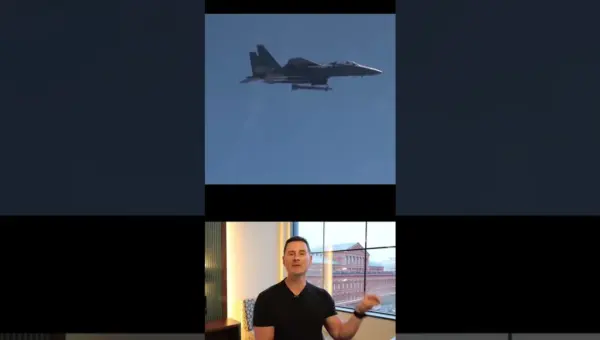
US Air Power Strikes Iranian Missile Sites
U.S. F-15E Strike Eagles deployed 5,000-pound GBU-72 bombs on hardened Iranian missile sites near the Strait of Hormuz. CENTCOM confirmed anti-ship threats were neutralized, securing vital oil shipping lanes. The strikes precede the arrival of 2,500 U.S. Marines, indicating preparatory battlefield actions.

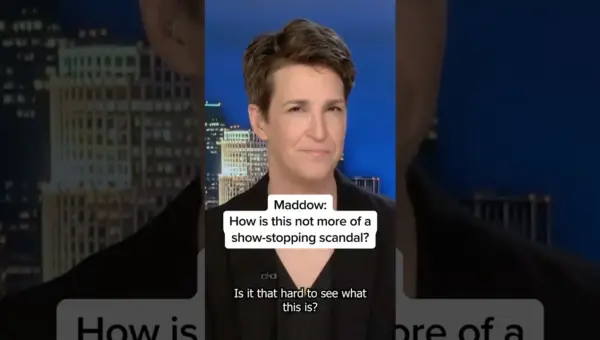
Maddow Questions Silence on Kushner-Saudi Ties Amid Iran Tensions
Rachel Maddow is questioning why the financial ties between Jared Kushner's business and Saudi Arabia are not a bigger scandal. She highlights the potential conflict between Kushner's personal financial interests and U.S. national interests, especially in light of recent actions concerning Iran. The lack of significant public outcry over these connections is what Maddow finds most puzzling.