US Targets Iranian Regime Families, Shifts Immigration Policy
The U.S. is revoking Green Cards and detaining family members of key Iranian regime figures, including 'Screaming Mary' and relatives of Qasem Soleimani. These actions signal a tougher immigration policy and a broader crackdown on Iranian nationals within the U.S. The move connects to historical tensions and the ongoing geopolitical rivalry between the two nations.

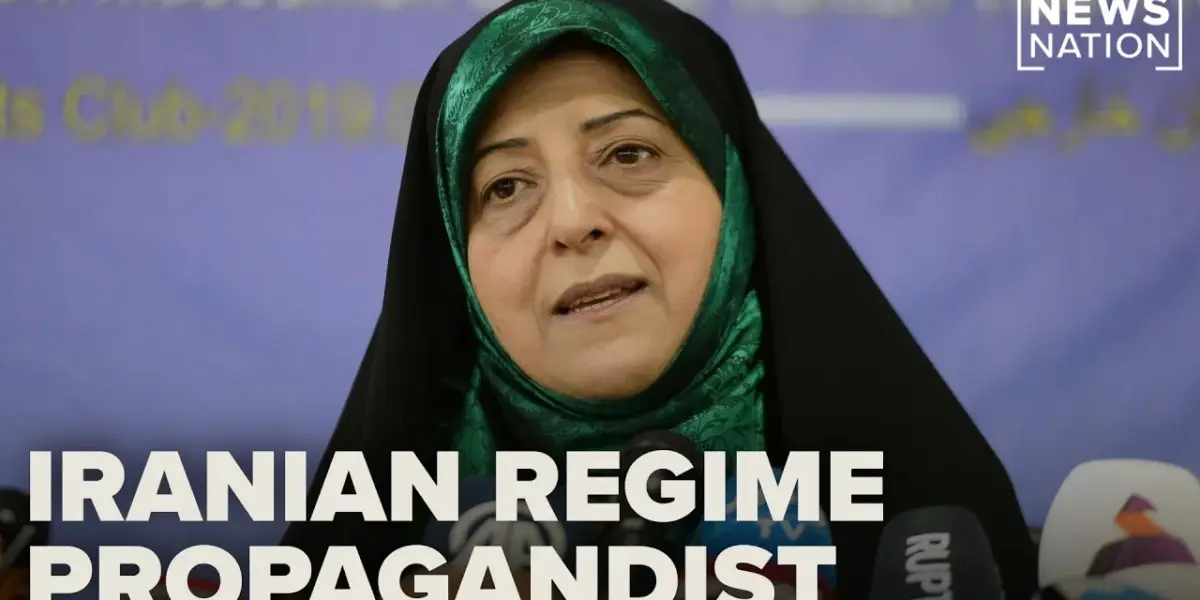
US Expands Crackdown on Iranian Nationals, Revokes Green Cards
The United States is taking a tougher stance on certain Iranian nationals living within its borders. Recently, the U.S. Government revoked the Green Cards of family members linked to a prominent Iranian regime propagandist known as ‘Screaming Mary.’ This action follows closely on the heels of U.S. Authorities taking into custody relatives of a slain Iranian commander. These moves signal a ramp-up in operations targeting Iranian citizens residing in the United States.
‘Screaming Mary’ and Her Family’s U.S. Ties
The woman dubbed ‘Screaming Mary’ played a significant role in shaping propaganda during the 1979 Iran hostage crisis. Her real name was Ann L. Schrader, an American citizen who married an Iranian and adopted his cause.
She served as an English-speaking spokesperson for the militants who held American diplomats captive for 444 days. Schrader helped arrange staged interviews to show the hostages were treated well. This was despite reports of harsh treatment, including solitary confinement and abuse.
Schrader later rose to prominence within Iran, serving as Vice President from 2017 to 2021. The family members now facing deportation entered the U.S. On visas in 2014.
They were granted Green Cards, which allow legal permanent residency, in 2016 through the Diversity Visa Program. This program offers a chance for people from countries with low rates of immigration to the U.S. To apply for a Green Card.
Political Reaction and Motivation
U.S. Senator Marco Rubio commented on the situation, stating that these families should not have been allowed to live in the U.S. He emphasized that America cannot be a home for anti-American terrorists or their families. This sentiment reflects a broader political stance against individuals or groups perceived as hostile to American interests.
Crackdown Extends to Soleimani’s Relatives
The actions against ‘Screaming Mary’s’ family are part of a larger U.S. Effort. This effort also targets relatives of Qasem Soleimani, a high-ranking Iranian commander killed in a U.S. Drone strike in 2020.
Reports indicate that Soleimani’s niece and grandniece, who were reportedly living lavish lifestyles in Los Angeles, were also taken into custody. Officials state that these individuals, like Schrader’s family members, are currently in Immigration and Customs Enforcement (ICE) custody, awaiting removal from the country.
Historical Context and Shifting Alliances
The 1979 Iran hostage crisis was a key moment in U.S.-Iran relations. It led to a deep rift that continues to this day.
The U.S. Views the actions of individuals like Schrader as betraying American values and actively working against U.S. Interests. By targeting relatives of figures like Soleimani and Schrader, the U.S. Appears to be asserting its influence and sending a clear message to Iran and its supporters.
Economic and Immigration Implications
While the transcript does not detail economic sanctions or trade figures directly related to these specific cases, the broader context of U.S.-Iran relations involves significant economic pressure. The U.S. Has imposed various sanctions on Iran over the years, impacting its economy and its ability to engage in international trade.
The revocation of Green Cards and subsequent deportations highlight the intersection of national security concerns, immigration policy, and foreign relations. It suggests that past actions and perceived loyalties can have long-term consequences for individuals seeking to live in the United States.
Global Impact: Reshaping Immigration and Foreign Policy
These developments could signal a shift in how the U.S. Handles immigration cases involving individuals with ties to adversarial regimes or foreign conflicts. It suggests a more proactive approach to vetting and enforcing immigration laws based on perceived national security risks.
For Iran, these actions reinforce a narrative of U.S. Hostility and may lead to reciprocal measures or increased tensions. The targeting of relatives, even those who may have lived peacefully in the U.S. For years, raises questions about collective responsibility and the long reach of international politics into personal lives.
Future Scenarios
One possible future scenario is that this crackdown will continue, leading to more individuals with perceived ties to Iranian hardline elements facing scrutiny and potential deportation. Another scenario is that diplomatic channels could be used to address these issues, though given the current state of U.S.-Iran relations, this seems less likely. A third possibility is that these actions could influence broader immigration policies, making it harder for individuals with any connection to countries deemed hostile to gain or maintain legal status in the U.S. The effectiveness and long-term impact will depend on continued enforcement and the evolving geopolitical relationship between the United States and Iran.
Source: Relatives of 'Screaming Mary' face deportation | NewsNation Live (YouTube)

Related Articles


Ossoff Presses Intelligence Chief on Iran Nuclear Threat Claims
Senator Jon Ossoff questioned a top intelligence official during a hearing about the White House's claim of an "imminent nuclear threat" from Iran. The official repeatedly avoided a direct yes or no answer, stating the President determines what constitutes an imminent threat. Ossoff argued that assessing threats is the intelligence community's core responsibility.


North Korea Eyes Iran Attack: A Nuclear Deterrent Boost
An attack on Iran may be reinforcing North Korea's belief that nuclear weapons are essential for its survival. The perceived failure of allies to fully support Iran, combined with South Korea's preemptive strike capabilities, strengthens Pyongyang's resolve to maintain its arsenal. This highlights the challenges in future denuclearization efforts.
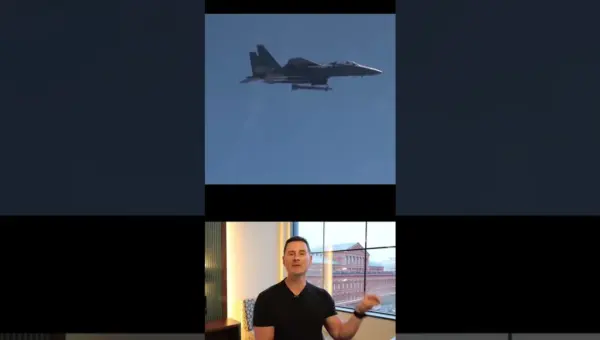
US Air Power Strikes Iranian Missile Sites
U.S. F-15E Strike Eagles deployed 5,000-pound GBU-72 bombs on hardened Iranian missile sites near the Strait of Hormuz. CENTCOM confirmed anti-ship threats were neutralized, securing vital oil shipping lanes. The strikes precede the arrival of 2,500 U.S. Marines, indicating preparatory battlefield actions.