Iran War Rattles Markets; Trump Sends Mixed Signals
The escalating conflict involving Iran has sent oil prices soaring and disrupted global markets. President Trump has issued strong warnings against Iran's potential to disrupt oil supplies, while also sending mixed signals about the war's timeline. Economic fears of stagflation are growing as the crisis impacts energy prices and employment.


Iran War Escalates, Oil Prices Surge Amidst Global Uncertainty
The ongoing conflict in the Middle East, involving Iran and its Gulf neighbors, has triggered significant global economic repercussions, sending oil prices on a volatile ride and disrupting international travel. As Iran launches missile and drone attacks on critical infrastructure, including power plants, hotels, and airports, the international community grapples with escalating tensions and the potential for wider economic fallout.
New Leadership in Iran Amidst Escalation
The political landscape in Iran has shifted with the appointment of Mojtaba Khamenei as the new Supreme Leader, son of the recently assassinated Ayatollah Khamenei. This succession, while celebrated within Iran, occurs against a backdrop of military aggression towards its neighbors and Israel. The U.S. has responded with strong warnings, with President Trump vowing severe consequences should Iran attempt to disrupt global oil supply.
"I will not allow a terrorist regime to hold the world hostage and attempt to stop the global oil supply, and if Iran does anything to do that, they’ll get hit at a much, much harder level." – President Trump
Economic Tremors: Oil Prices and Market Volatility
The conflict has directly impacted global energy markets. Crude oil prices briefly surpassed $100 a barrel, reflecting anxieties over supply disruptions.
While prices later stabilized, financial markets remain on edge. Caleb Silver, Editor-in-Chief of Investopedia, explained the dynamic:
"It’s all about headline risk. And the stock market is moving with these headlines or whatever the the President says or doesn’t say, and so do oil prices. But the important thing to know is that oil prices are always trading in the future…
It went up to $120 a barrel yesterday morning, down now to about $90 a barrel. It’s not as if oil is definitely is being moved. It’s just the contracts for future oil are being moved."
The potential for Iran to block shipping through the Strait of Hormuz remains a significant concern. A spokesperson for Iran’s Revolutionary Guard stated that Iran would prevent the export of crude oil from the region if attacks continued. This threat has historically been a major driver of oil price spikes.
Stagflation Fears Loom for Global Economy
The combination of rising oil prices and slowing economic growth raises fears of stagflation. Caleb Silver elaborated on the risks:
"Stagflation… Is where you have higher inflation, rising prices, slower growth and slowing employment.
And we saw from that jobs report that we covered last week for the month of February, the United States lost 92,000 jobs and prices are rising. And oil prices have a way of making everything more expensive because they’re critical to the supply chain."
The Federal Reserve faces a difficult balancing act, needing to curb inflation without further hindering economic growth. The current geopolitical climate complicates their decisions, with uncertainty over the war’s duration and impact.
US Military Actions and Controversies
The U.S. military’s involvement in the conflict has also drawn scrutiny. New video footage appears to show a U.S. Tomahawk missile striking near a school, resulting in over 170 casualties.
While President Trump has made unsubstantiated claims blaming Iran for the incident, experts suggest the weapon used was a U.S. Tomahawk missile. Senator John Kennedy of Louisiana acknowledged the possibility of a mistake:
"It was terrible. We made a mistake. Other countries do that sort of thing intentionally, like Russia.
We would never do that. I think the Department is investigating it now. And I’m sorry.
I’m so sorry. But it was a mistake."
This incident has prompted calls for a full investigation. Meanwhile, a closed-door briefing for the Senate Armed Services Committee is expected to address the ongoing situation in Iran.
Mixed Messages from the White House
President Trump’s public statements regarding the conflict have been characterized by inconsistency. While calling the war a "short-term excursion" and suggesting it was nearing completion, he has also issued stark warnings of intensifying strikes if Iran attempts to disrupt oil flow. Sahil Kapur, NBC News Senior National Political Reporter, highlighted this dichotomy:
"The President called it a little excursion and a short term excursion that the U.S. is getting very close to finishing… We could call it a tremendous success right now. Or we could go further and we’re going to go further…
Especially if Iran acts to curtail ships in the Strait of Hormuz… And he was asked about how this could end soon, while Defense Secretary Hegseth said the attacks so far are only just the beginning. And President Trump said, ‘I think you could say both.’ It’s unclear how he could square those two things."
This messaging ambiguity, coupled with economic concerns and public opinion, adds layers of complexity to the U.S. Strategy and its potential duration.
Broader Implications and Future Outlook
The conflict’s ripple effects extend beyond the immediate region, impacting global supply chains, energy prices, and financial markets. The diplomatic and military responses from both the U.S. and Iran are being closely watched, with particular attention on potential escalations and their economic consequences. The coming days will likely see continued market volatility and intense scrutiny of the administration’s strategy and communication.
Source: LIVE: NBC News NOW – March 10 (YouTube)

Related Articles

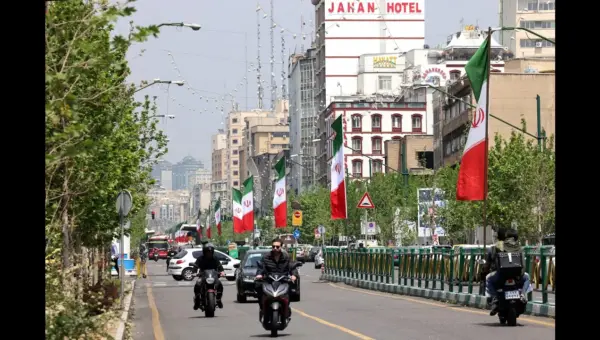
Iran’s Leaders Locked in Bitter Feud, Analyst Reveals
Iran's leadership is deeply divided and struggling to make decisions under U.S. pressure and economic sanctions. Analyst Cheyenne Shami believes the U.S. holds the upper hand, and Iran faces difficult choices that could lead to internal purges or regime collapse.
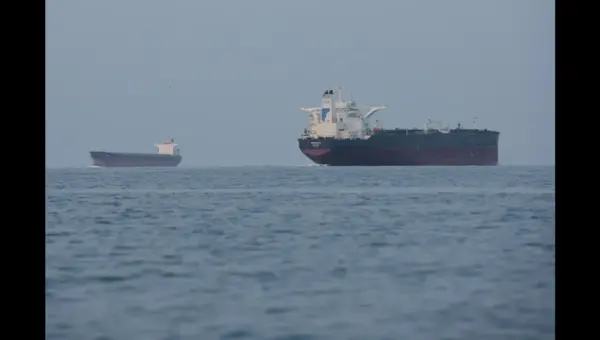
US Iran Tactic Signals New War Game for China
The US actions against Iran, including military and economic pressure, may be a test for a potential conflict with China. Observers suggest this strategy could be a rehearsal for blockading China's maritime lifelines. Leaders in the Indo-Pacific are watching these developments closely.

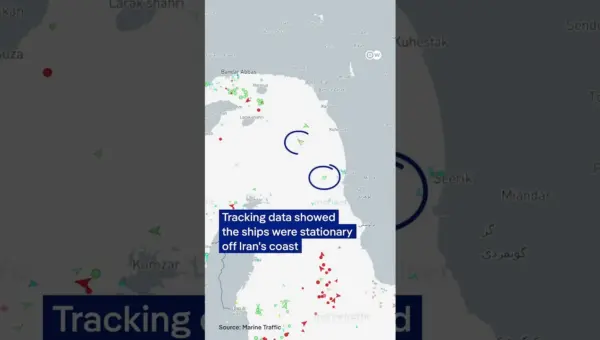
Iran Seizes Ships in Strait of Hormuz Amid Tensions
Iranian soldiers have seized two container ships in the Strait of Hormuz, a vital global shipping lane. Footage aired by state television shows the military operation amid heightened regional tensions. The incident raises concerns about maritime security and potential disruptions to international trade and energy supplies.