Masters of the Screen: Unlocking NBA Superstars’ Scoring Secrets

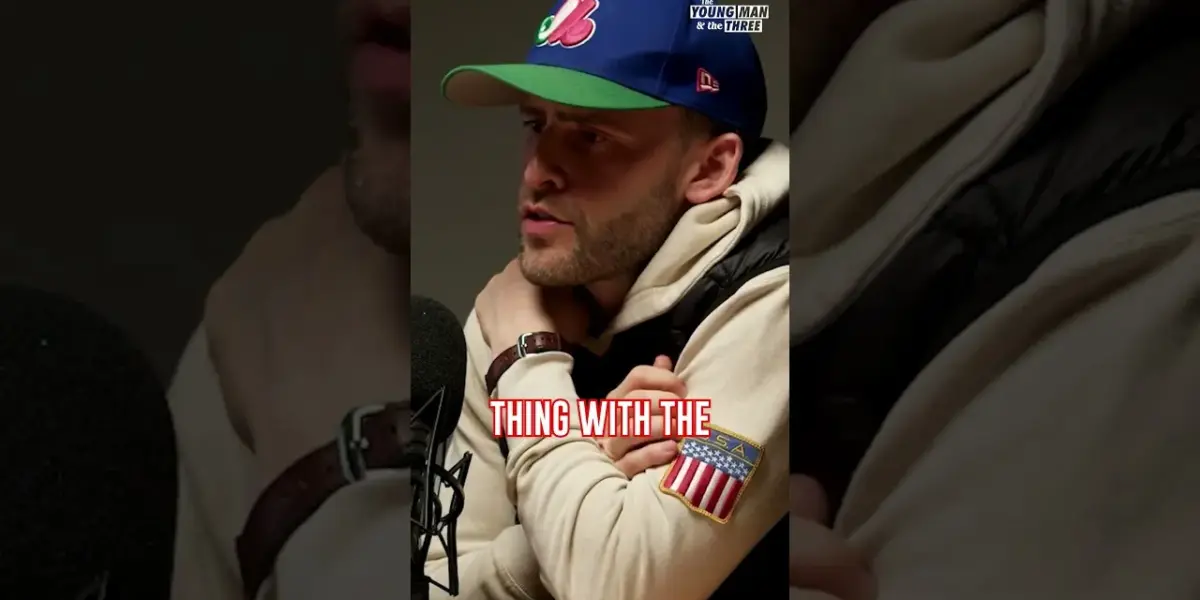
Beyond the Block: The Nuanced Art of the NBA Screen
In the fast-paced, star-driven world of the NBA, where every possession can swing the momentum, a fundamental yet often overlooked skill reigns supreme: the screen. While fans marvel at dazzling drives and pinpoint threes, the architects of these scoring opportunities are the unsung heroes who master the subtle art of setting effective screens.
This isn’t just about planting your feet; it’s a strategic chess match, a delicate dance of angles, timing, and understanding the unique tendencies of the player you’re helping. And as insights from players and coaches reveal, the true mastery lies in the details.
The Devil’s in the Details: Coaching the Nuances
The transcript highlights a critical aspect of elite basketball coaching: the ability to break down complex actions into digestible, actionable advice. Players speak with reverence about coaches like James, who possess the gift of explaining the intricate details of screening. “He’ll take you aside in practice and that’s so I have a lot of respect for him,” one player shared.
“He’ll take you aside like, ‘Hey, when a defender does this, like slip out. Like, if he opens his hips, like, I don’t need you to screen no more, like I already got him, slip out.'” This level of personalized instruction, focusing on specific defensive reactions, is what separates good screeners from great ones.
Knowing When to Hold ‘Em, Knowing When to Slip
The core of effective screening, as emphasized, is understanding the ‘when’ and ‘how.’ It’s not a one-size-fits-all approach. “I think that’s the biggest thing with screening, to be honest, is like the little details is like figuring out when to slip, when to hold it,” the transcript reveals. This adaptability is paramount.
A screener must read the defender’s body language and the ball-handler’s intentions. Some ball-handlers need the screen to be held longer to create separation and probe the defense, while others thrive on a quick slip to exploit a momentary advantage.
Tailoring the Screen to the Star
The transcript underscores a crucial point: the screener must adapt their technique to the specific strengths and preferences of the player they are screening for. “Every player is different. Like, I’m not going to screen, I’m not going to screen the same way as I screened for James, as I screened for Shay,” a player explained.
“Jaylen Brunson was totally different.” This personalized approach is key to unlocking easy looks for superstars. Some players want to attack downhill immediately, requiring a screener to slip out quickly. Others prefer to use the screen to create space for a pull-up jumper or a mid-range shot, necessitating a more sustained screen.
Film Study and Intelligence: The Mental Edge
While physical execution is vital, the transcript points to film study as a primary driver of growth in screening technique. “I think it’s more film. Like, I think that’s where I grew the most,” a player stated.
This mental preparation allows players to anticipate defensive schemes and understand the strategic nuances. However, the effectiveness of film study is also tied to a player’s basketball IQ. “Depends how smart you are too.
Like, some guys, you can like show them like, you said, you like, you’re a smart player, so it’s like, you could see on film, be like, oh, okay, that’s what I got to do. I gotta go in. Some people like go let’s see it on film and then get out there and do the complete opposite or the same exact thing.” For those who struggle to translate film to the court, direct on-court demonstration becomes essential.
The Unsung Skill: Getting Your Guy Open
Ultimately, the goal of a screener is to facilitate scoring opportunities within the rules of the game. This skill, often overlooked in the discourse of offensive fireworks, is proof of a player’s basketball intelligence and team-first mentality. “That’s a skill within itself too, is like understanding how to get your guy open within the rules of the game, you know?” The discussion even touches on the parallel between offensive ‘foul baiting’ and the defensive art of setting screens effectively without drawing whistles.
“Everyone talks about foul baiting like offensively nowadays, like that’s like the big, you know, uh, buzzword that that everyone likes to discuss. And it’s like there’s a skill to doing that defensively as well, doing something that’s probably not within the rules of foul calls, but getting your guy open.” This highlights the strategic depth and subtle manipulation involved in elite screening.
Looking Ahead: The Continuous Evolution of the Screen
As players continue to learn from veterans like Chris Paul (CP) and James Harden, and adapt to the unique styles of various teammates, the art of screening will undoubtedly continue to evolve. The ability to read defenses, understand individual player needs, and execute with precision is what creates efficient offenses and opens up scoring lanes for the league’s brightest stars. It’s proof of the fact that in the NBA, even the most fundamental actions require a sophisticated understanding and a dedication to mastering the intricate details.
Source: THREE MINUTES OF BREAKING DOWN HOW SCREENING WORKS FOR SUPERSTARS IN THE NBA (YouTube)

Related Articles


Wolves’ ‘Toxicity’ Fuels Intense Nuggets Rivalry
Jaden McDaniels is openly discussing the Timberwolves' defensive strategy against the Nuggets, even naming specific Denver players. This 'toxicity' fuels an already intense rivalry built over years of playoff battles. Both teams are using the high-stakes environment as motivation.
OKC Shocks Suns in Game 2 Without Dub, SGA Shines
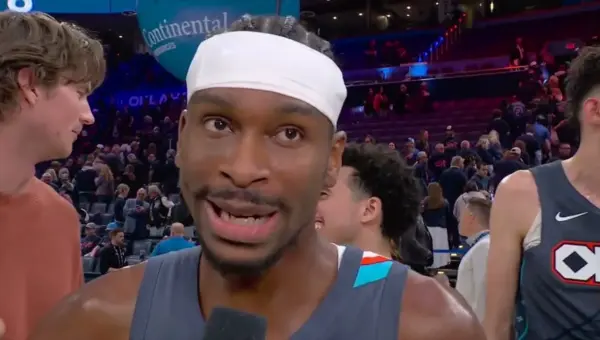
Shai Gilgeous-Alexander led the Oklahoma City Thunder to a dominant 124-103 Game 2 victory over the Phoenix Suns, despite Jalen Williams' injury. Chet Holmgren set a playoff record with four blocks in the third quarter, anchoring the team's defense. The Thunder now hold a 2-0 series lead.
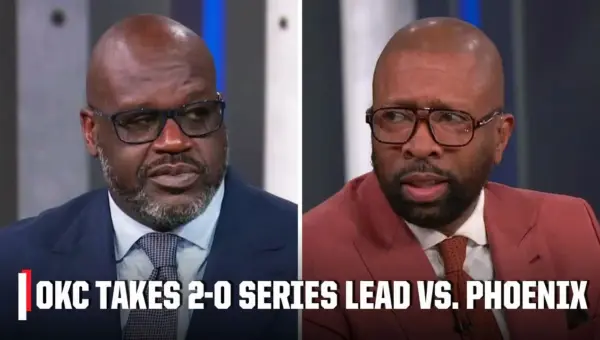
OKC Thunder Take 2-0 Lead, But Jaylen Williams Injury Looms
The Oklahoma City Thunder took a 2-0 series lead over the Phoenix Suns with a 120-107 win in Game 2. However, a late injury to Jaylen Williams has raised concerns about his availability. The Suns showed resilience but face an uphill battle.