Market Volatility and Investor Psychology Under Scrutiny
Financial educator Richard from The Plain Bagel's Birthday Q&A highlighted the critical role of investor psychology in market volatility. The session stressed the importance of education and rational decision-making over emotional responses in navigating financial uncertainty.


Market Volatility and Investor Psychology Under Scrutiny
In a recent live session, financial educator Richard from The Plain Bagel addressed viewer questions, touching upon the prevailing market conditions, investor sentiment, and the psychological underpinnings that often drive financial decisions. While the session was framed as a birthday Q&A, the underlying discourse provided valuable insights into navigating today’s dynamic economic landscape.
The conversation implicitly highlighted a market environment characterized by uncertainty, where fluctuations in asset prices can be amplified by shifts in investor psychology. Richard, operating in an educational capacity and emphasizing that his content is not financial advice, underscored the importance of understanding market drivers beyond mere price action. The Plain Bagel channel, while affiliated with Richard’s professional background as a registered portfolio manager at WDS Investment Management, operates independently and does not offer personalized investment recommendations.
Understanding Market Drivers
The core of the discussion revolved around how external events and internal investor biases can coalesce to create significant market movements. While specific market data points like index performance or sector-specific gains/losses were not detailed in the provided transcript, the emphasis was on the psychological factors influencing investment decisions. This includes concepts such as:
- Fear and Greed: These two primal emotions often dictate market behavior. Fear can lead to panic selling, driving asset prices down, while greed can fuel speculative bubbles as investors chase ever-higher returns.
- Confirmation Bias: Investors may seek out information that confirms their existing beliefs, leading to a skewed perception of risk and opportunity.
- Herding Behavior: The tendency for individuals to follow the actions of a larger group, often leading to momentum-driven market swings.
The Role of Education in Investing
Richard’s platform is dedicated to educational purposes, aiming to equip viewers with the knowledge to make informed financial decisions. This approach is particularly relevant in volatile markets where misinformation and emotional responses can lead to costly mistakes. By demystifying financial concepts and encouraging a rational approach, educational channels like The Plain Bagel play a key role in fostering financial literacy.
The disclaimer prominently featured – “This channel is for education purposes only and does not constitute financial advice” – is a critical reminder to viewers. It delineates the boundary between learning about financial markets and receiving actionable investment guidance. Viewers are consistently encouraged to consult with registered financial advisors for personalized strategies tailored to their individual circumstances and risk tolerance.
Navigating Uncertainty: Short-Term vs. Long-Term Perspectives
While the transcript did not dig into specific short-term trading strategies or long-term investment horizons, the underlying principles discussed have implications for both. In the short term, understanding market psychology can help investors anticipate potential overreactions to news events and avoid impulsive decisions. For instance, a piece of negative news might trigger a sell-off that is disproportionate to the actual impact on a company’s long-term prospects.
From a long-term perspective, a focus on fundamental value and a disciplined investment approach, insulated from the day-to-day noise of market sentiment, is often advocated. This involves investing based on a company’s intrinsic worth and future earnings potential, rather than its current market price, which can be influenced by transient psychological factors.
Market Context and Broader Implications
The discussions, though general, resonate within the context of broader market trends. Periods of heightened volatility, whether driven by macroeconomic shifts, geopolitical events, or technological disruptions, inevitably test investor resolve. The S&P 500, Dow Jones Industrial Average, and Nasdaq Composite, as well as various asset classes like bonds, commodities, and cryptocurrencies, are all subject to these psychological influences.
For instance, a sector like technology, known for its growth potential but also its susceptibility to speculative interest, can experience dramatic swings based on investor sentiment regarding future innovation and regulatory changes. Similarly, the bond market, often perceived as a safer haven, can still be influenced by inflation expectations and central bank policies, which in turn affect investor risk appetite.
What Investors Should Know
The fundamental takeaway from the educational discourse presented by The Plain Bagel is the critical importance of a rational and informed approach to investing. Investors should be aware of:
- The Influence of Emotion: Recognize that fear and greed are powerful forces that can cloud judgment. Developing strategies to mitigate emotional decision-making is paramount.
- The Value of Education: Continuously seek to understand market mechanics, economic principles, and investment strategies. Knowledge is a key defense against market volatility.
- The Importance of Professional Guidance: While educational content is invaluable, personalized financial advice should be sought from qualified professionals who can assess individual financial situations and goals.
- Long-Term Perspective: Cultivating a long-term outlook can help investors weather short-term market downturns and stay focused on their ultimate financial objectives.
In conclusion, while specific market data was not the focus, the underlying message emphasizes that successful investing is as much about managing one’s own psychology as it is about understanding market dynamics. The educational resources available today, like those provided by The Plain Bagel, offer a vital starting point for individuals looking to enhance their financial acumen in an increasingly complex world.
Source: Live Birthday Q&A Stream # 5 (YouTube)

Related Articles

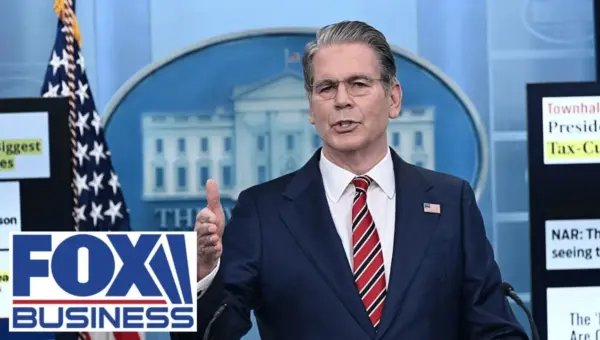
Tax Gains Could Boost Wallets, Offset Gas Price Pain
New tax legislation aims to put more money directly into Americans' pockets, potentially offsetting concerns over rising gas prices. Proponents highlight that no one objects to having more personal income to spend as they see fit.


Millions Lack Emergency Savings: A Financial Health Check
Less than half of Americans can cover a $1,000 emergency from savings, a Bankrate survey found. Building an emergency fund of 3-6 months of living expenses is a key sign of financial health. This savings buffer protects against unexpected costs and supports long-term financial goals.


5 Signs You’re Winning With Money
Achieving financial success involves more than just a high income. Key indicators include having monthly financial margin, maintaining an emergency fund, investing consistently, controlling lifestyle spending, and experiencing financial peace of mind. A solid financial plan ties these elements together.